

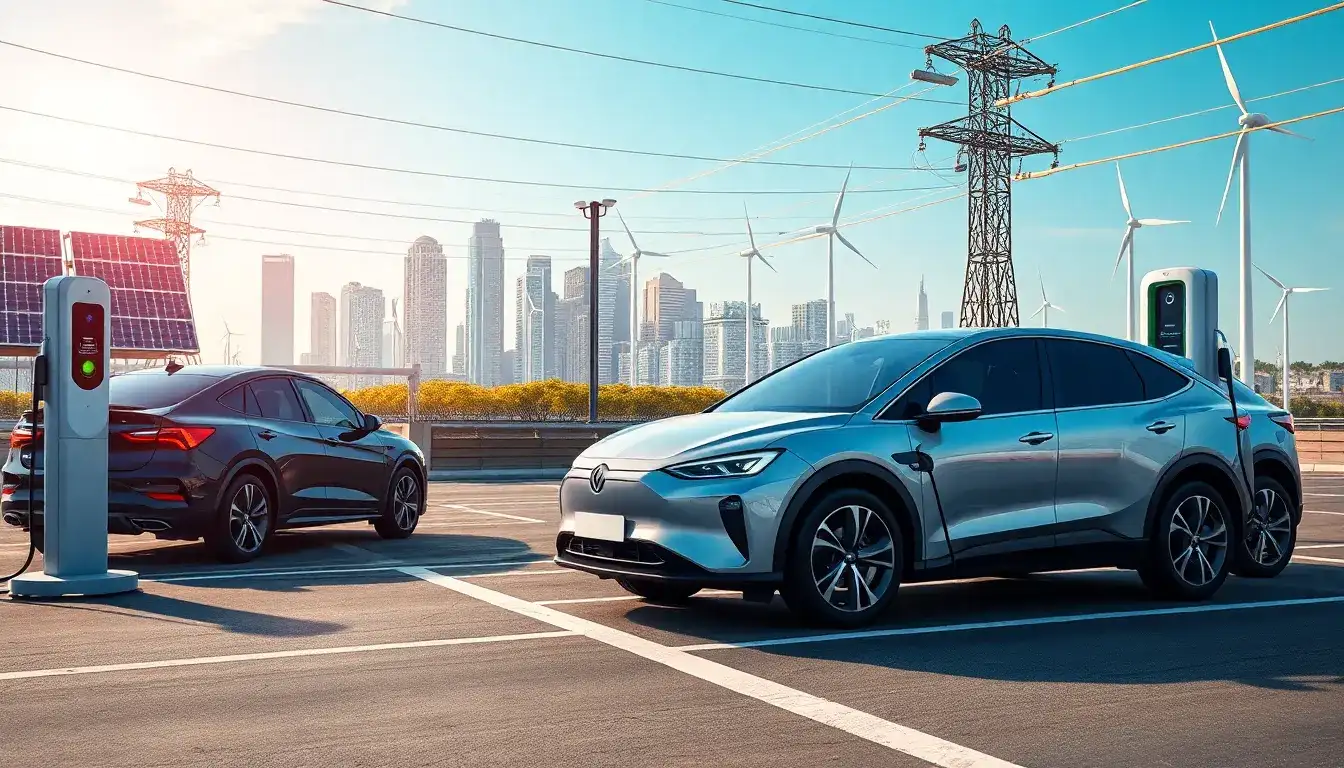
Electric Vehicle (EV) Charging and Vehicle-to-Grid (V2G) Technology
As the adoption of electric vehicles continues to rise, the integration of Vehicle-to-Grid (V2G) technology is becoming increasingly significant. By 2025, it is projected that V2G systems will allow electric vehicles to contribute to the electrical grid, optimizing energy use and reducing costs.
V2G technology essentially turns electric vehicles into mobile energy storage units. During times of low electricity demand, vehicles can store energy, and during peak demand, they can release energy back into the grid. This process not only helps balance the supply and demand of electricity but also provides vehicle owners with potential financial benefits.

Recently, several cities have begun implementing V2G systems, showcasing the viability of this technology. The initial trials indicate a growing commitment to integrating V2G into smart energy management systems. As of now, over 188 fast-charging stations equipped with V2G capabilities have been established, and it is expected that by 2025, around 300 stations will be operational.

Furthermore, the development of V2G technology is supported by national policies aimed at enhancing energy efficiency. The <b>National Development and Reform Commission</b> has been instrumental in promoting V2G projects, with pilot programs already in place. These initiatives are set to significantly increase the amount of electricity supplied by new energy vehicles, aiming to reach up to 180 gigawatt-hours by 2025, which could reduce carbon emissions by approximately 6,500 tons.

Looking ahead, continued advancements in V2G infrastructure are anticipated, including improved technologies and standards for energy output and vehicle integration. The focus will be on creating a seamless interface between electric vehicles and the power grid, enhancing the overall efficiency of energy management.

The V2G systems are not only beneficial for the grid but also for electric vehicle owners. By providing energy back to the grid, owners can potentially earn money or receive credits, making electric vehicles more appealing.

As more cities and businesses adopt V2G technology, it is likely that we will see a significant transformation in how electricity is managed and consumed. The shift toward electric vehicles and the integration of V2G systems represent a critical step in building a sustainable and efficient energy future.
Original article by NenPower, If reposted, please credit the source: https://nenpower.com/blog/innovative-v2g-technology-set-to-transform-electric-vehicle-integration-in-2025/

