

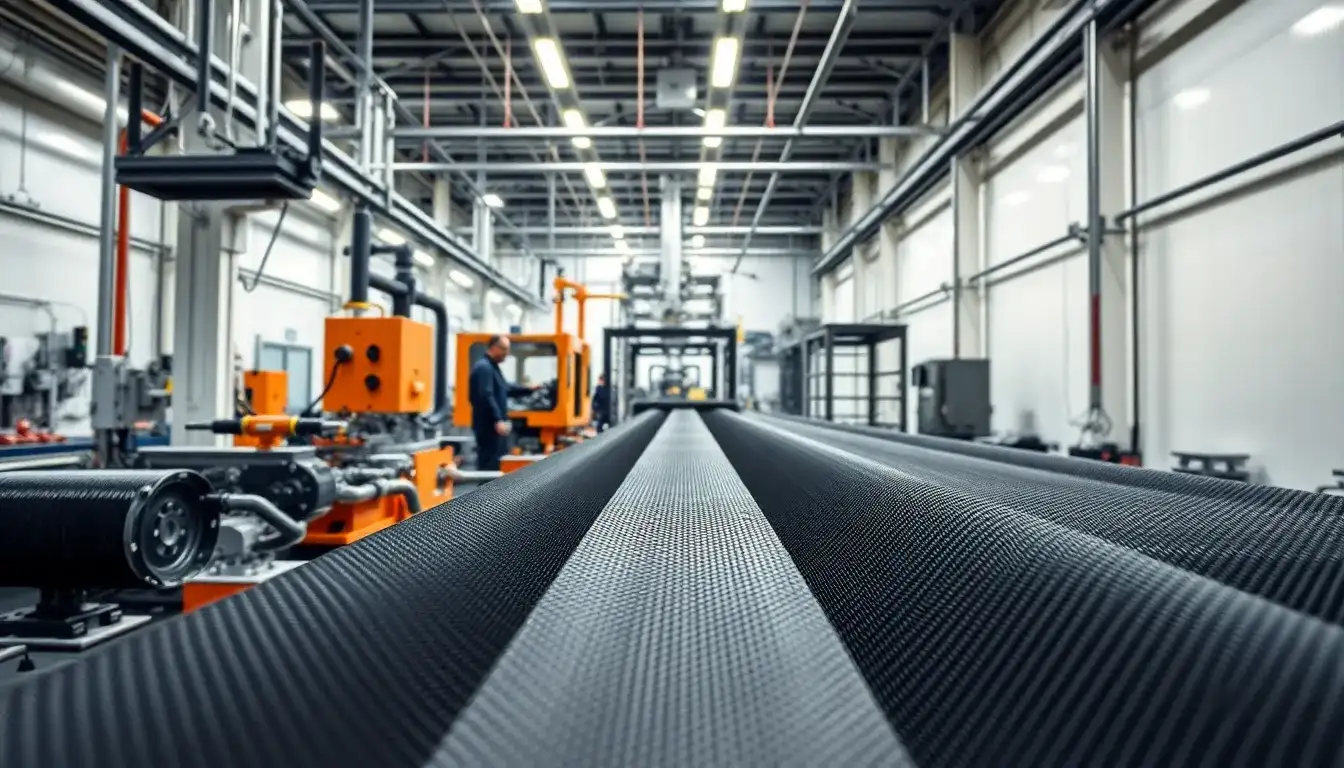
Research and Development on the Future of Hydrogen Fuel Cells
Hydrogen fuel cells are set to play a crucial role in the future of energy, particularly in the transportation sector. According to recent forecasts, hydrogen fuel cell vehicle (FCV) sales are expected to surge, reaching approximately 2 million units by 2030.
FCVs produce only water vapor as a byproduct, making them an environmentally friendly alternative to traditional fossil fuel vehicles. The efficiency of hydrogen fuel cells is estimated to be around 60%, compared to 20% for internal combustion engines, which highlights their potential to significantly reduce greenhouse gas emissions.
The global hydrogen market is projected to grow at a compound annual growth rate (CAGR) of 8.4% from 2022 to 2027, driven by advancements in technology and increasing government support for clean energy initiatives.
Countries such as Japan and Germany are leading the charge in hydrogen technology, investing heavily in infrastructure development and research. Japan aims to have 800,000 hydrogen-powered vehicles on the road by 2030, while Germany has set a target of 1 million hydrogen cars by the same year.
Key companies in the hydrogen fuel cell industry, such as Ballard Power Systems and Bloom Energy, are continuously innovating to enhance the performance and reduce the costs of hydrogen fuel cells. These advancements are expected to make hydrogen a more viable option for not only vehicles but also for stationary power generation and industrial applications.
In terms of production, hydrogen can be generated through various methods, including electrolysis, which uses electricity to split water into hydrogen and oxygen. The increased deployment of renewable energy sources is anticipated to make green hydrogen production more cost-effective by 2025.
Additionally, hydrogen storage and distribution remain critical challenges. However, innovations in materials and technologies are emerging to address these issues, including advancements in compressed hydrogen storage and liquid hydrogen transport.
As the world moves towards a low-carbon future, hydrogen fuel cells represent a promising solution to achieve sustainable energy goals. The continued investment in research and development is essential to unlock the full potential of hydrogen as a clean energy source.
Original article by NenPower, If reposted, please credit the source: https://nenpower.com/blog/innovative-developments-in-carbon-fiber-manufacturing-set-to-transform-industries-by-2025/

