

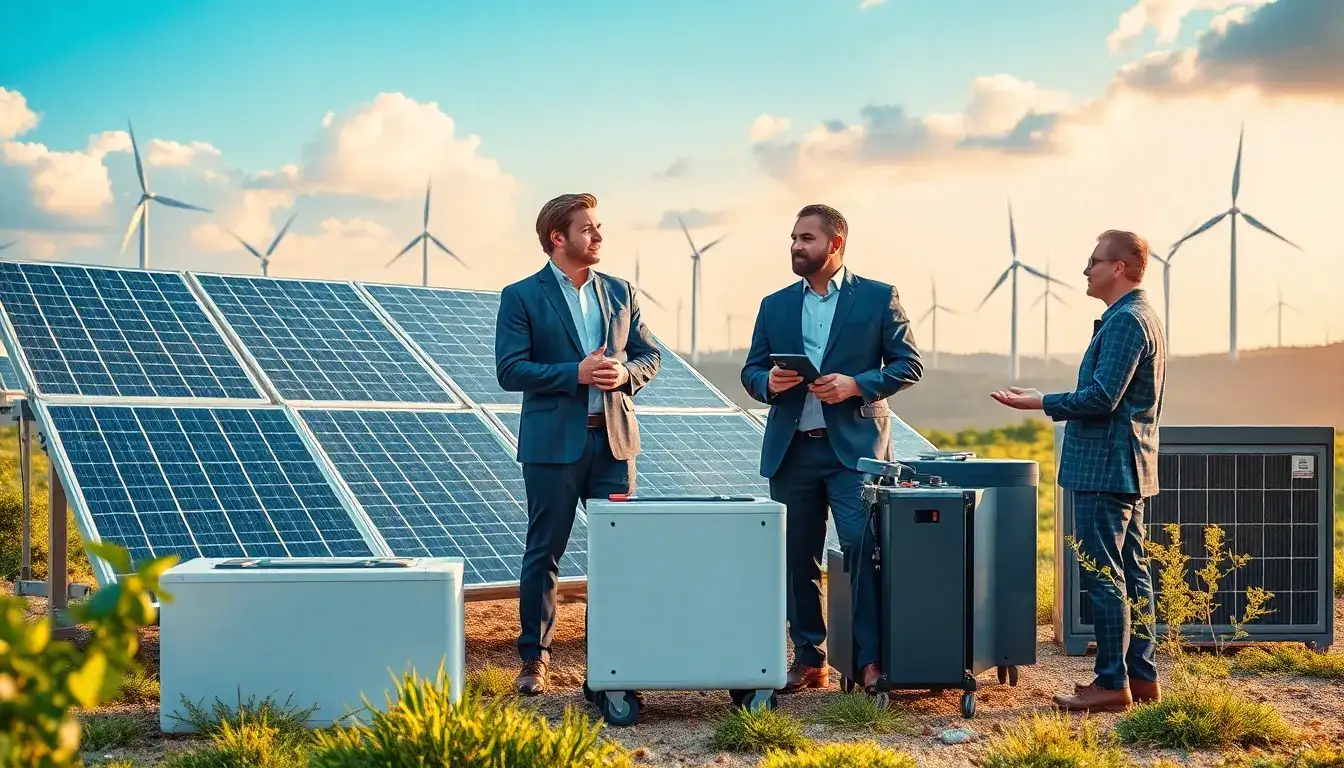
The Indian energy storage market is gaining significant attention amidst the global energy transition, driven by clear policy directions and strong development momentum. The dual forces of policy incentives and market demand are creating vast opportunities for the energy storage sector in India.
Policy Support and Market Demand Surge
Current trends indicate a clear framework for India’s energy storage policy, with anticipated new demand on the horizon. India is tightening its energy storage requirements for new renewable projects, mandating that future solar projects must include a storage capacity of 10% and a 2-hour battery system. This stringent requirement is expected to act as a catalyst, potentially generating an additional 14GW/28GWh of storage demand by 2030, thus establishing a substantial market platform for energy storage companies.
National Planning and Large Projects
From a national power planning perspective, India’s approach to energy storage is ambitious. The national power plan estimates a storage demand exceeding 73GW, with a specific target for Battery Energy Storage Systems (BESS) set at 47.24GW/236.22GWh. As large centralized bidding projects continue to be implemented, market activity is expected to be significantly energized, leading to rapid growth in the industry.
Residential Market Emergence and Distributed Storage Potential
The residential and distributed markets are also experiencing rapid growth. The PM Surya Ghar subsidy program has added 3.29GW of installed capacity, greatly stimulating the residential/rooftop solar market. This surge in installations has directly increased the demand for distributed storage, making home storage and small commercial storage key growth areas.
Policy Incentives and Industrial Upgrades
The VGF subsidy scheme provides up to 40% in capital cost subsidies for BESS projects, significantly alleviating initial investment burdens. This policy not only attracts more companies to participate in energy storage project development but also accelerates the commercialization of storage technologies, hastening industry advancement.
Distributed Energy Subsidies and Localization Strategies
In the realm of distributed energy, the Indian government offers subsidies of up to 96% for rooftop solar systems ≤2kW, effectively promoting the uptake of distributed storage. Concurrently, the policy is fostering localization of component and battery production, aiming to build a comprehensive energy storage industrial chain, enhance the competitiveness of local enterprises, and achieve industrial upgrades.
The Indian energy storage market is currently in a golden phase of rapid development, with ongoing policy support and market demand creating limitless possibilities. For businesses, seizing policy opportunities and accurately positioning in the market are key to achieving long-term growth in this promising sector.
Original article by NenPower, If reposted, please credit the source: https://nenpower.com/blog/indias-energy-storage-market-emerging-mechanisms-and-growth-opportunities/

