

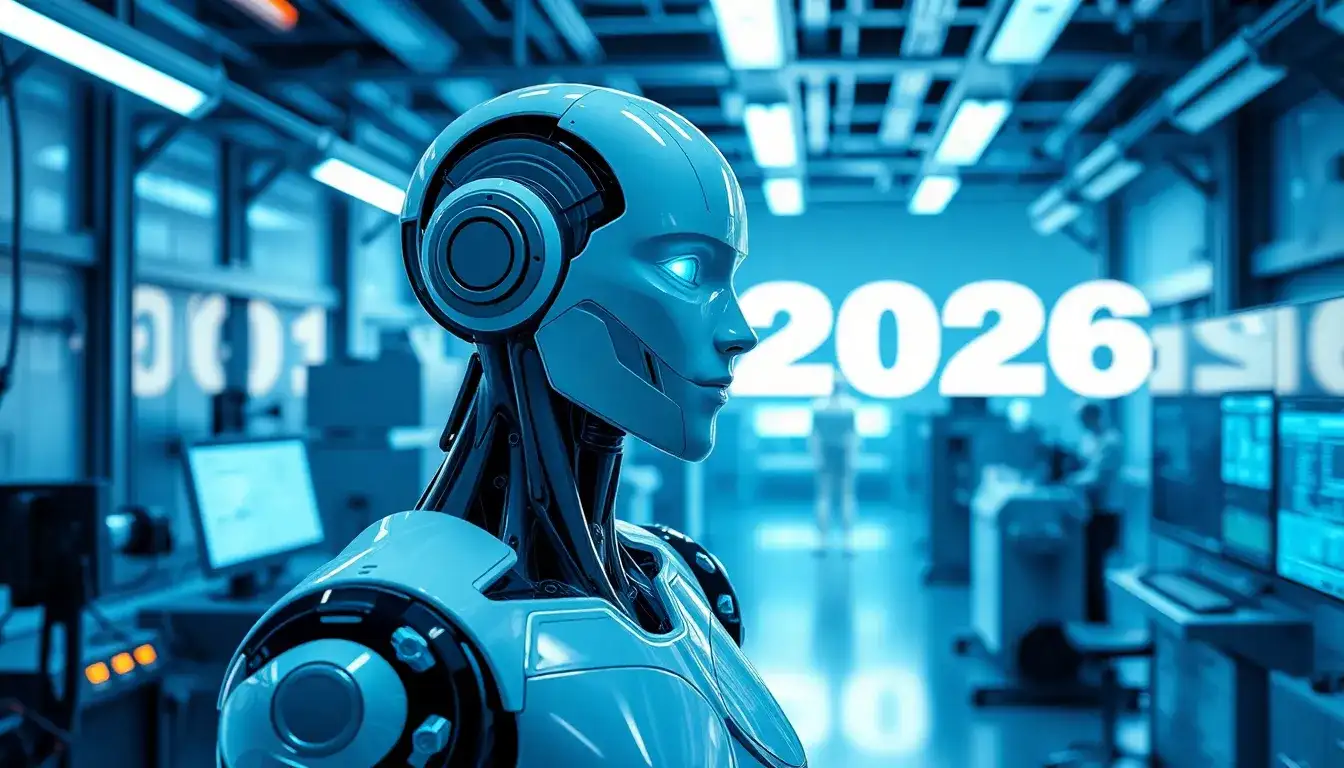
Humanoid Robots in 2026: What Can We Expect?
On February 18, 2026, the market will witness an exciting development in humanoid robotics. This year, humanoid robots are poised to make significant advancements, particularly in the fields of artificial intelligence and machine learning.
In recent years, the humanoid robot industry has experienced remarkable growth. With innovations from leading technology companies, the market is expected to thrive. By the end of 2025, it is estimated that there will be over 5,500 humanoid robots in operation, signaling a robust interest and demand in this sector.
This surge is driven by advancements in AI technologies that enhance the capabilities of these robots, enabling them to perform tasks that were once thought to be the exclusive domain of humans. Notably, the humanoid robots are expected to be more efficient and capable than ever before.
The collaboration between various tech firms and research institutions suggests that the humanoid robots will not only excel in performance but will also integrate seamlessly into various industries and everyday life. This integration could revolutionize sectors such as healthcare, education, and customer service, where these robots can assist in various capacities.
As we approach 2026, the humanoid robot industry is gearing up for a transformation that emphasizes both innovation and practical applications. The major players in the market are investing heavily in research and development to ensure that they remain at the forefront of this technological evolution.
Furthermore, public perception of humanoid robots is shifting towards acceptance as they become more familiar in our daily lives. This acceptance is crucial for the widespread adoption of these technologies.
However, challenges remain. Issues related to ethical implications, job displacement, and regulatory frameworks must be addressed as humanoid robots become more integrated into society. The focus will be on ensuring that these technologies are used responsibly and beneficially.
Looking ahead, the humanoid robot sector is likely to see continued growth and innovation. By 2030, the market is projected to expand significantly, with estimates suggesting that the number of humanoid robots could reach 26.2 million. This growth indicates a promising future for humanoid technology, highlighting its potential to enhance human capabilities and improve our quality of life.
In conclusion, the future of humanoid robots looks bright, with advancements in technology and growing acceptance paving the way for a new era of robotics. As we move towards 2026, it will be fascinating to see how these changes unfold and the impact they will have on various aspects of life.
Original article by NenPower, If reposted, please credit the source: https://nenpower.com/blog/humanoid-robots-in-2026-aiming-for-revolutionary-advancements/

