

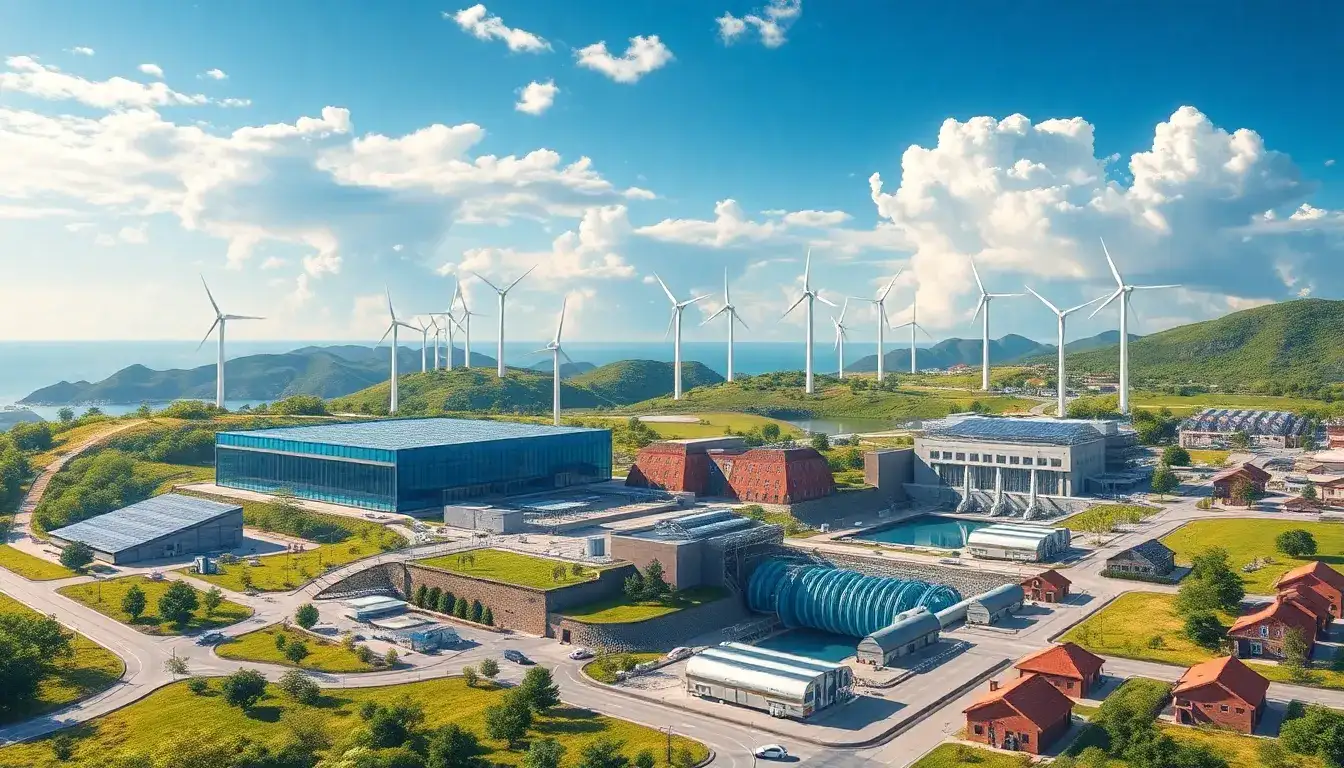
The Inflation Reduction Act (IRA) has significantly influenced the deployment of long-duration energy storage systems (LDES) in several impactful ways. The legislation represents a historic investment in clean energy, with $369 billion allocated to climate initiatives, and it provides various financial incentives aimed at accelerating the adoption of renewable energy technologies, including energy storage.
Key Impacts on Long-Duration Energy Storage Deployment
1. Investment Tax Credit (ITC) for Standalone Storage
The IRA introduced an Investment Tax Credit specifically for standalone energy storage facilities under Section 48 of the Internal Revenue Code, which allows these systems to qualify for a 30% tax credit. This credit is available for projects commencing construction after December 31, 2022, and is a monumental shift, as prior regulations only permitted storage paired with solar to benefit from such credits.
2. Direct Pay and Transfer Options
For tax-exempt entities, such as municipalities and rural electric cooperatives, the IRA also includes a direct pay option. This allows non-taxable entities to monetize tax credits as direct payments from the IRS, significantly broadening participation in energy storage projects. Non-taxable entities can claim a 30% credit on qualifying installations without needing a tax liability to offset, making it easier for these organizations to invest in storage technologies.
3. Acceleration of Domestic Manufacturing
The IRA promotes domestic battery manufacturing through various tax credits, including a manufacturing tax credit specifically for battery production. This is critical for energy storage systems, as the U.S. aims to reduce dependence on foreign supply chains that have historically hampered deployment due to cost fluctuations and logistical disruptions.
4. Increased Forecast for Energy Storage Capacity
Since the enactment of the IRA, the Department of Energy has dramatically increased its forecasts for energy storage capacity in the U.S. Initially projected to reach 50 GW by 2040, estimates are now upward of 200 GW. This surge is attributed largely to the financial incentives provided by the IRA, which are expected to catalyze widespread investment and installation of energy storage systems.
5. Addressing Cost and Economic Viability
The IRA’s provisions aim to enhance the economic viability of energy storage projects by counteracting previous cost increases associated with supply chain issues. The anticipated reduction in system pricing—projected to decline by 19% by 2031—will make LDES more accessible and attractive for both developers and end-users.
6. Alignment with Climate Goals
The IRA is strategically designed to align with the U.S.’s climate goals, targeting a 40% reduction in greenhouse gas emissions compared to 2005 levels by 2030. This commitment entails substantial growth in energy storage capacities, particularly LDES, which are critical for integrating variable renewable energy sources like wind and solar into the grid.
Conclusion
Overall, the IRA has created a favorable environment for the deployment of long-duration energy storage systems by offering robust financial incentives, enhancing domestic production capabilities, and aligning financial viability with national climate objectives. As the landscape continues to evolve, these factors will play a crucial role in shaping the future of energy storage technology in the United States.
Original article by NenPower, If reposted, please credit the source: https://nenpower.com/blog/how-will-the-ira-influence-the-deployment-of-long-duration-energy-storage-systems/

