

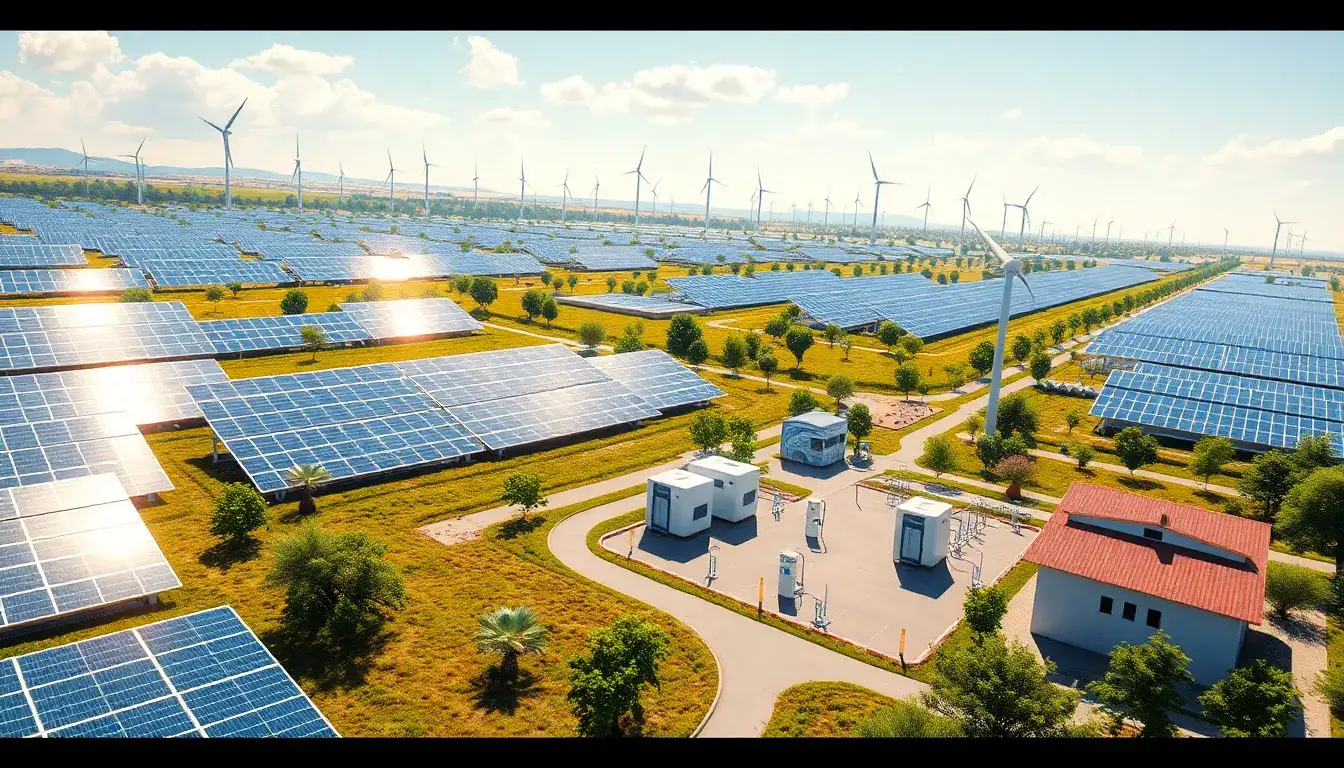
Solid-state batteries are expected to significantly influence the development of renewable energy infrastructure by enhancing energy storage capabilities, improving safety, and increasing the efficiency and reliability of renewable energy systems.
Key Influences of Solid-State Batteries on Renewable Energy Infrastructure
1. Improved Energy Storage Capacity and Efficiency
Solid-state batteries offer substantially higher energy density compared to traditional lithium-ion batteries. This means they can store more energy in a smaller and lighter package, enabling more compact and efficient energy storage solutions for renewable sources like solar and wind power. Higher energy density supports longer energy retention and extended usage periods, making renewable energy more accessible and reliable for end users.
2. Longer Lifespan and Durability
These batteries have a much longer cycle life, with solid-state variants capable of 8,000 to 10,000 charge cycles compared to the 1,500 to 2,000 cycles typical for lithium-ion batteries. This extended lifespan means renewable energy storage systems can maintain performance over decades, reducing replacement costs and increasing sustainability of infrastructure investments.
3. Enhanced Safety and Reduced Environmental Impact
By replacing flammable liquid electrolytes with solid electrolytes, solid-state batteries reduce risks of overheating, fires, and explosions, enhancing the safety of renewable energy storage installations. Additionally, they use fewer harmful materials, making production more environmentally friendly and potentially easier to recycle, aligning with the green goals of renewable energy projects.
4. Faster Charging and Better Performance in Extreme Conditions
Solid-state batteries support faster charging and function better across a wider range of temperatures without the need for complex thermal management systems. This reliability improves the integration and operation of renewable energy microgrids, which often require consistent performance under various environmental conditions.
5. Supporting Decentralized and Microgrid Energy Systems
Because of their compact size, long lifespan, and excellent performance characteristics, solid-state batteries are ideal for residential and commercial solar energy storage and clean energy microgrids. They facilitate efficient energy banks that help smooth supply-demand mismatches and improve grid stability, enabling more widespread adoption of decentralized renewable energy systems.
In summary, solid-state battery technology will drive the renewable energy sector forward by enabling more efficient, durable, safe, and eco-friendly energy storage solutions. This will help accelerate the deployment of solar and wind power infrastructure, improve grid reliability, and support the transition toward distributed clean energy systems globally. Their combination of higher energy density, enhanced longevity, safety, and environmental benefits marks solid-state batteries as a transformative advancement for renewable energy infrastructure development.
Original article by NenPower, If reposted, please credit the source: https://nenpower.com/blog/how-will-solid-state-batteries-influence-the-development-of-renewable-energy-infrastructure/

