

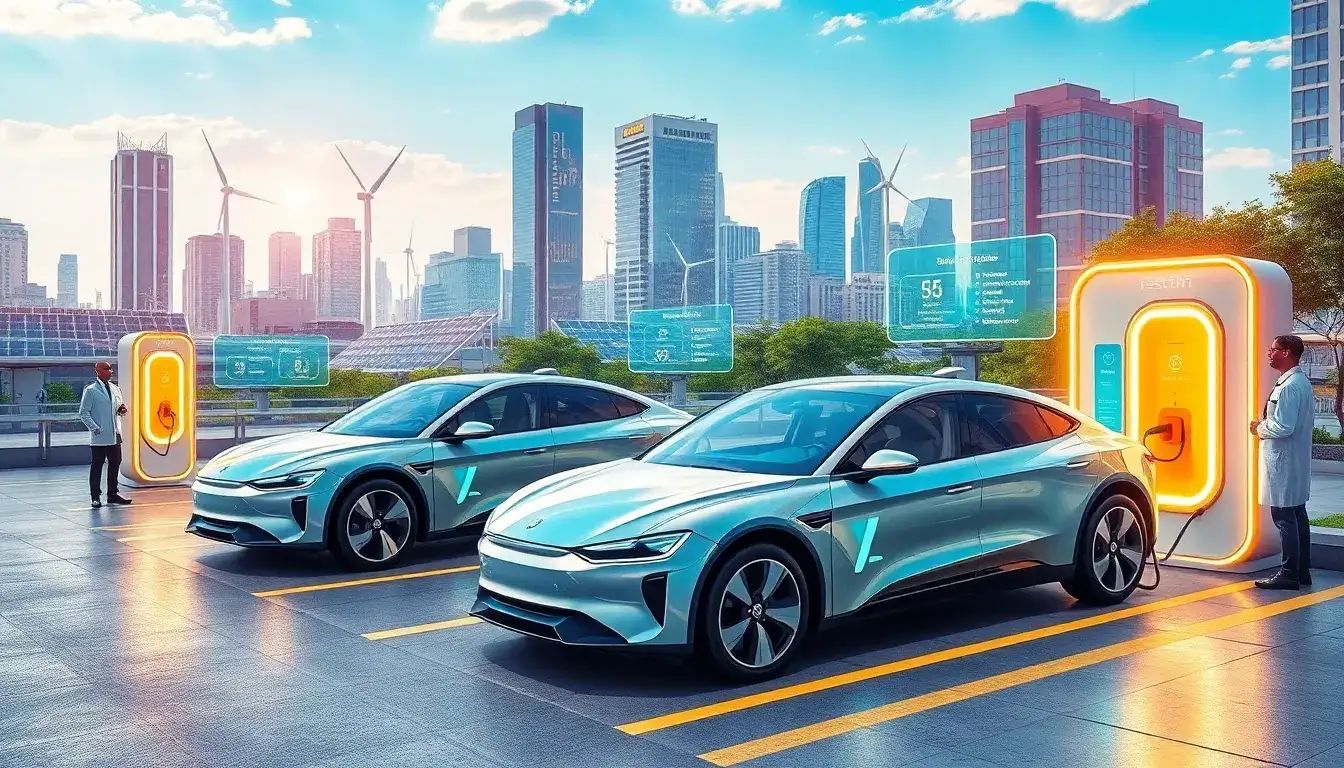
Solid-state batteries (SSBs) are poised to significantly transform the electric vehicle (EV) industry over the next decade by offering major improvements in safety, range, charging speed, and overall vehicle performance.
Key Impacts of Solid-State Batteries on Electric Vehicles
1. Increased Energy Density and Driving Range
SSBs replace the liquid electrolyte in conventional lithium-ion batteries with a solid electrolyte, which allows them to store much more energy in the same or smaller space. Experts, including Toyota, estimate solid-state batteries could potentially double the energy density compared to current lithium-ion cells. This translates into EVs being able to travel substantially farther on a single charge—up to 70% more range in some projections. For example, solid-state technology could enable vehicles to exceed 600 miles on a single charge, greatly reducing range anxiety for consumers.
2. Faster Charging Times
The improved chemistry and stability of solid-state electrolytes enable much faster recharging. Estimates suggest DC fast-charging times could be reduced from around 30 minutes to as little as 10 minutes to reach 80% charge, making EVs more convenient and comparable in refueling time to gasoline vehicles.
3. Enhanced Safety
One of the biggest drawbacks of current lithium-ion batteries is the flammability of their liquid electrolytes, which can lead to fires or explosions if damaged or short-circuited. Solid-state batteries use non-flammable solid electrolytes, drastically reducing the risk of thermal runaway and making EVs safer overall. This also decreases the need for complex battery management and safety monitoring systems, potentially lowering manufacturing costs.
4. Weight and Size Reduction
Because solid-state batteries can hold more energy in a smaller volume, they allow for lighter battery packs. This reduction in weight improves vehicle efficiency and performance, as well as offering manufacturers more flexibility in vehicle design and space utilization.
5. Market Growth and Industry Adoption
The promising advantages of solid-state technology have prompted significant investment and competition among automakers and battery manufacturers. Toyota, Honda, Samsung, and other industry leaders are aiming to bring solid-state battery-powered vehicles to market before 2030. The global solid-state battery market for EVs is projected to surge from $85 million in 2023 to nearly $1 billion by 2030, highlighting the expected scale of impact.
Summary Table of Benefits
| Feature | Current Lithium-Ion Batteries | Solid-State Batteries |
|---|---|---|
| Energy Density | Moderate | Up to 2x higher |
| Driving Range | Typical 200-300 miles per charge | Potential 400-600+ miles per charge |
| Charging Time | ~30 minutes (fast charging) | ~10 minutes (fast charging) |
| Safety | Flammable liquid electrolyte | Non-flammable solid electrolyte |
| Weight & Size | Heavier, larger packs | Smaller, lighter packs |
| Market Readiness | Mature, widely used | Commercialization expected by late 2020s |
In conclusion, solid-state batteries offer a breakthrough for the EV industry by dramatically extending range, improving safety, reducing charging times, and enabling lighter, more efficient vehicles. These benefits will accelerate EV adoption worldwide and reshape the market landscape within the next decade.
Original article by NenPower, If reposted, please credit the source: https://nenpower.com/blog/how-will-solid-state-batteries-impact-the-electric-vehicle-industry-in-the-next-decade/

