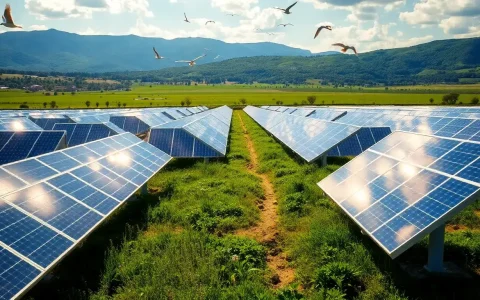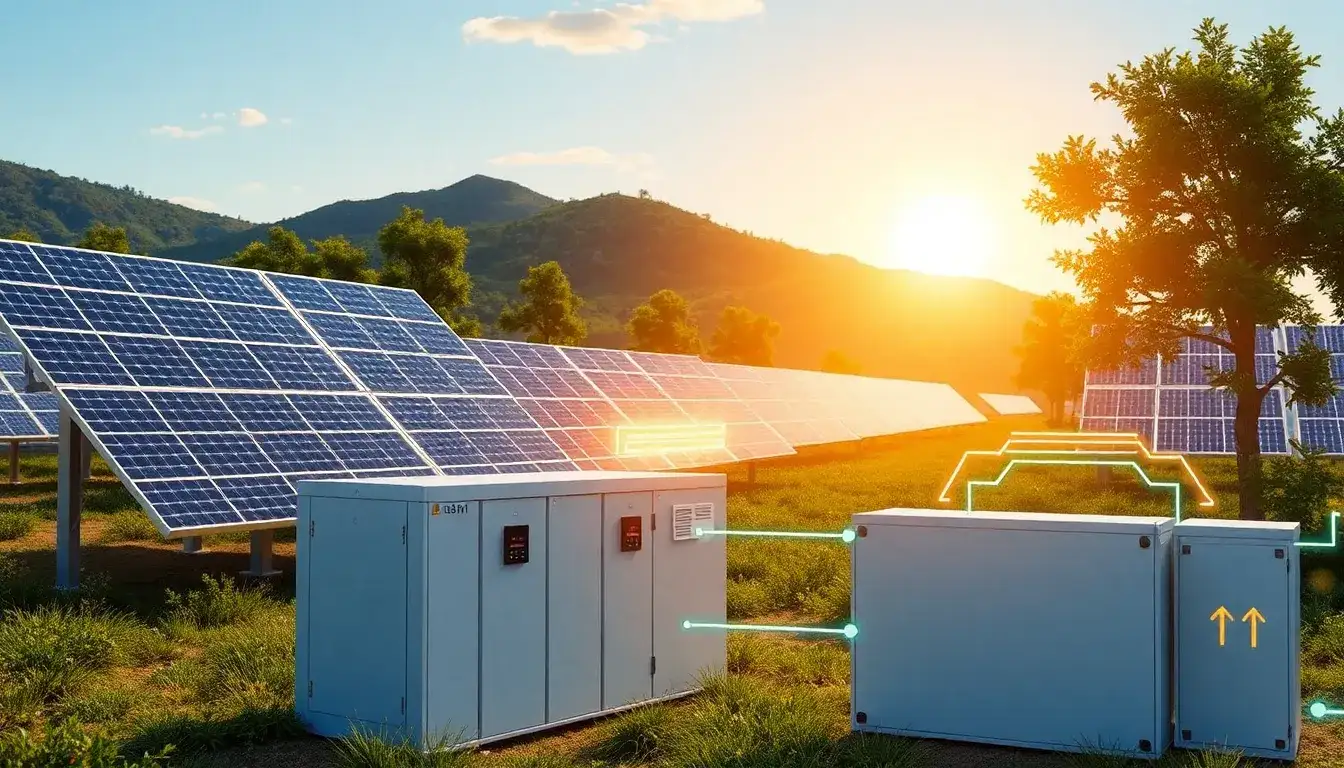
Bifacial solar panels positively impact the efficiency of energy storage systems primarily by increasing the overall energy production, thus providing more electricity to be stored. Here are the key ways they influence energy storage efficiency:
Increased Energy Yield and Efficiency
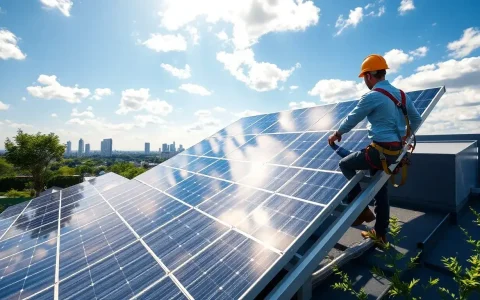
- Bifacial panels capture sunlight on both their front and rear sides, enabling them to produce significantly more energy than traditional monofacial panels. Typical energy production gains range between 3% to 30%, depending on factors like surface reflectivity (albedo), panel height, and ground cover ratio.
- Studies show bifacial panels can yield about 11% more energy in standard ground-mounted setups, and this can increase to around 27% when combined with solar trackers that optimize orientation to the sun’s movement.
- Their ability to harness reflected and diffuse light improves performance in less sunny or low-light conditions, extending the effective energy harvesting period during the day.
Impact on Energy Storage Systems
- The increased and more consistent energy output from bifacial panels means energy storage systems such as batteries can be charged more efficiently and rapidly, enhancing the overall utilization of stored energy. More energy generation translates directly to more energy available for storage, improving system capacity utilization.
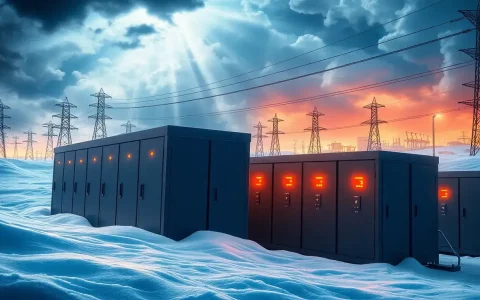
- Because bifacial panels can generate more power across varying environmental conditions—including cloudy days and reflective surfaces like snow or sand—energy storage systems can rely on steadier input, reducing downtime or periods of undercharging that affect storage efficiency.
- Higher energy yield improves the economics and sizing of storage systems (e.g., battery capacity can be matched more effectively to the increased generation), potentially lowering the Levelized Cost of Energy (LCOE) for solar-plus-storage installations.
Additional Benefits
- Bifacial panels feature a double-glass construction, enhancing durability and lifespan (up to 30 years), which supports long-term stable energy production, indirectly benefiting the reliability and longevity of coupled storage systems.
- Their design flexibility allows installation in diverse settings—rooftops, ground mounts, and carports—offering more opportunities to integrate with energy storage solutions in various environments.
In summary, bifacial solar panels enhance the efficiency of energy storage systems by providing higher and more reliable power generation, especially in varied lighting conditions. This leads to better charging efficiency, improved utilization of stored energy, and greater economic viability of combined solar-plus-storage systems. The net effect is a more robust and effective renewable energy setup that maximizes energy capture and storage capabilities.
Original article by NenPower, If reposted, please credit the source: https://nenpower.com/blog/how-will-bifacial-solar-panels-impact-the-efficiency-of-energy-storage-systems/