

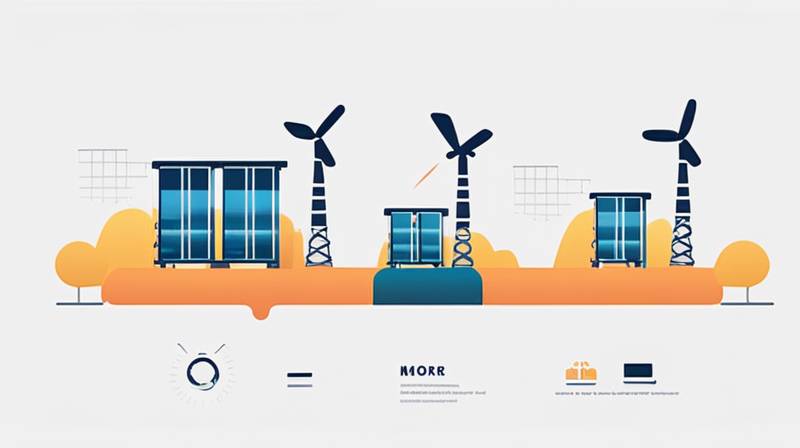
Utility-scale energy storage plays a pivotal role in enhancing energy resilience across various regions. 1. It enables the integration of renewable energy sources, 2. It mitigates the impacts of grid outages, 3. It optimizes energy production and distribution, 4. It supports demand response initiatives, 5. It promotes energy reliability and stability. Delving into the integration aspect, utility-scale energy storage systems allow for the storage of excess renewable energy generated during high production periods, such as sunny or windy days. This stored energy can then be dispatched during low production times, ensuring a steady and reliable power supply. This capability not only assists in balancing supply and demand but also aids in reducing carbon emissions by maximizing the use of clean energy sources.
1. ENABLING RENEWABLE ENERGY INTEGRATION
The proliferation of renewable energy technologies such as solar and wind has transformed the energy landscape; however, these intermittent sources present unique challenges. Energy storage systems provide a means to effectively harness and utilize energy generated during peak production times. The essential function of utility-scale energy storage lies in its capacity to store excess electricity, which can be released when demand exceeds supply.
When solar panels generate abundant electricity during the day, the surplus can be stored in batteries or other storage technologies. This stored power can then be channelled back into the grid during the night or on cloudy days, effectively smoothing the energy supply. Moreover, energy storage solutions act as a buffer against short-term fluctuations in energy generation. Without such technology, the integration of high levels of renewable resources could lead to instability within the grid.
Furthermore, these storage systems can be linked with demand-side management strategies. By predicting energy usage and adjusting the release of stored energy accordingly, utility-scale storage optimizes the use of renewable resources. As a result, the combination of renewable generation and energy storage creates a more resilient and sustainable energy ecosystem.
2. MITIGATING GRID OUTAGES
Utility-scale energy storage systems contribute significantly to reducing the vulnerability of the grid. Grid outages, whether caused by natural disasters, equipment failure, or other unforeseen circumstances, can disrupt power supply and create extensive socioeconomic impacts. Energy storage solutions can act as a frontline defense against these disruptions.
By retaining energy that can be deployed during outages, utility-scale storage facilitates a rapid recovery in power supply status. For instance, during a large-scale electricity failure, storage systems can provide backup power to critical infrastructure such as hospitals, emergency services, and communication facilities. This ability to supply local demands ensures that essential services remain operational during crises.
Moreover, the strategic placement of energy storage systems across the grid enhances overall grid stability. Localized storage solutions reduce the distance electricity must travel during an outage, thereby minimizing losses. They empower utilities to manage localized grid issues efficiently while alleviating the strain on larger transmission systems. Overall, the implementation of energy storage solutions within grid management strategies can significantly increase resilience and improve reliability.
3. OPTIMIZING ENERGY PRODUCTION AND DISTRIBUTION
Efficient management of energy resources is paramount for both economic and environmental reasons. Utility-scale energy storage optimizes the production and distribution of energy by leveling out demand and reducing the need for peaking power plants. These plants are typically fired up during periods of high demand, which often translates to increased carbon emissions.
By storing energy during off-peak times, utilities can release this energy when demand surges, effectively eliminating the necessity for these less efficient, more polluting energy sources. Additionally, energy storage systems provide a valuable service in times of peak demand, which can lead to lower energy costs for consumers.
Furthermore, advanced energy storage technologies also facilitate the incorporation of more renewable energy resources into the grid without compromising reliability. As utilities harness energy from diverse renewable sources, effective storage solutions can ensure that production aligns with consumption patterns, thereby minimizing waste and increasing overall system efficiency.
4. SUPPORTING DEMAND RESPONSE INITIATIVES
Demand response programs are an increasingly vital aspect of modern energy strategies, allowing utilities to balance demand and supply efficiently. Utility-scale energy storage complements these initiatives by providing a flexible resource that can be quickly deployed to meet varying energy demands.
By employing energy storage, utilities can incentivize consumers to reduce usage during peak periods, which helps to alleviate stress on the grid. For instance, a utility can store excess energy generated during lighter usage hours and then release it during peak demand periods. This approach aligns consumers’ energy usage with production capabilities, helping to stabilize prices.
Moreover, the integration of energy storage in demand response strategies promotes consumer engagement. Outreach programs that educate customers about the effective use of energy during peak times not only save costs but also foster an understanding of grid dynamics. By enabling consumers to participate actively in energy management, these initiatives enhance the overall resilience of the energy system.
FREQUENTLY ASKED QUESTIONS
WHAT TYPES OF ENERGY STORAGE TECHNOLOGIES ARE USED IN UTILITY-SCALE APPLICATIONS?
Several technologies are employed for utility-scale energy storage, with the most common being lithium-ion batteries, pumped hydro storage, and flow batteries. Lithium-ion batteries are particularly popular due to their efficiency, scalability, and decreasing costs. Composed of interconnected cells, these batteries store energy by moving lithium ions between electrodes during the charging and discharging cycles.
Pumped hydro storage, on the other hand, utilizes gravitational potential energy by pumping water uphill during excess generation and releasing it downhill to drive turbines during peak demand. This method can store massive amounts of energy but is limited by geographical requirements and high initial investment. Flow batteries, characterized by their electrochemical processes, provide a versatility that allows for long-duration storage applications. These technologies are continually evolving, and ongoing research and development hold promise for expanding the capabilities and efficiency of utility-scale energy storage.
HOW DOES ENERGY STORAGE IMPACT ENERGY COSTS FOR CONSUMERS?
Utility-scale energy storage can have a significant positive impact on energy costs for consumers. By enabling utilities to store and efficiently manage supply, energy prices can become more stable, reducing the instances of spikes associated with high demand. The increased use of renewable energy sources through storage systems also means that the reliance on fossil fuels can diminish, leading to reduced operational costs for power plants.
The ability to shift energy consumption by releasing stored energy during peak hours allows utilities to avoid the high cost of activating peaking power plants. In addition, more predictable energy production means that consumers can benefit from fixed pricing options or time-of-use pricing, which creates an opportunity for savings. Ultimately, the reduction in operational inefficiencies and the optimal balancing of renewable energy sources contribute to lower energy prices for end users.
WHAT ROLE DOES ENERGY STORAGE PLAY IN ACHIEVING SUSTAINABILITY GOALS?
Energy storage is instrumental in advancing sustainability objectives at both local and national levels. By facilitating the transition towards renewable energy sources, storage systems reduce reliance on fossil fuels and help to decrease greenhouse gas emissions. These systems not only enable a more efficient use of intermittent renewable resources but also buffer against the challenges of variability associated with these sources.
Moreover, the incorporation of energy storage technologies supports grid resilience and reliability, which is critical for fostering public trust in renewable energy deployments. As communities move toward sustainability goals, the integration of energy storage enhances air quality and supports energy independence. Through policies that promote energy storage advancements and deployment, societies can make tangible steps toward achieving substantial sustainability targets.
The importance of utility-scale energy storage cannot be overstated when considering ongoing and future challenges in energy resilience. As the global energy landscape continues to evolve with the integration of more renewable resources, energy storage solutions offer myriad benefits. These systems optimize renewable integration, mitigate grid outages, promote efficient energy production and distribution, and bolster demand response initiatives. Each of these aspects contributes to the enhanced resilience of energy systems worldwide, paving the way for a cleaner, more sustainable future. As energy storage technologies advance, they hold the potential to transform energy landscapes even further, thereby solidifying their role as essential elements in global energy strategies. The integration of energy storage represents not only a solution to current challenges but also a proactive measure toward a resilient energy future. Stakeholders across industries must prioritize and invest in these technologies to realize their considerable benefits, securing energy supply and supporting environmental goals.
Original article by NenPower, If reposted, please credit the source: https://nenpower.com/blog/how-utility-scale-energy-storage-facilitates-energy-resilience/

