

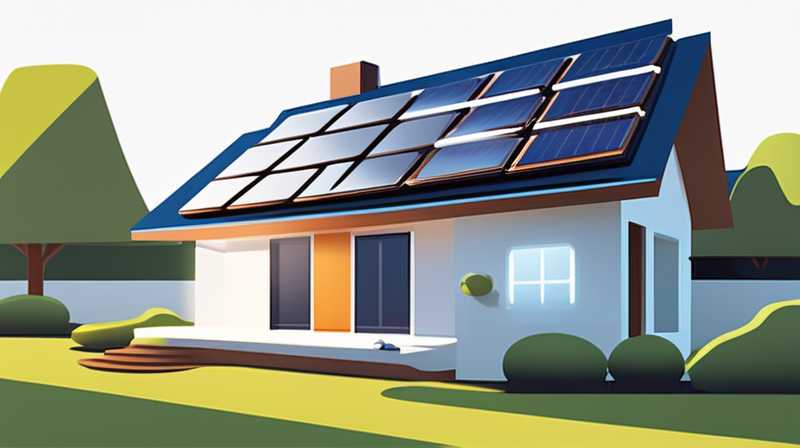
To effectively utilize solar panels installed on your property, it’s essential to understand their functioning and integration with your household energy needs. 1. Begin by assessing the solar panel capacity, which refers to the total wattage of the solar system installed on your home. Understanding this allows you to evaluate how much energy it can generate based on average sunlight exposure in your location. 2. Monitor your energy consumption regularly to identify trends and determine optimal usage timings, which can maximize the benefits of the available solar energy. 3. Consider implementing energy-efficient practices within your home to complement solar energy production. This includes using energy-efficient appliances and implementing smart home technology to control energy usage. 4. Stay informed about local incentives or rebates for solar energy utilization, as many regions offer financial benefits that encourage sustainable energy use.
When discussing solar panels, it’s significant to note the details regarding their performance, maintenance, and the regulatory environment. Understanding each aspect creates a comprehensive approach to harnessing solar energy adequately.
1. UNDERSTANDING SOLAR ENERGY
Understanding solar energy sets the foundation for how to use the solar panels effectively. At its core, solar energy is emitted from the sun and can be converted into usable electricity through solar panels. Solar panels utilize photovoltaic cells that absorb sunlight and convert it into direct current (DC). This process is pivotal as it transforms natural sunlight into electricity that homeowners can use.
Moreover, it’s essential to comprehend that the efficiency of solar panels can vary significantly based on multiple factors, including geographic location, panel orientation, and shading. For instance, homes located in sunnier climates tend to harness more energy, while those with significant tree cover may experience reduced efficiency. Homeowners must therefore evaluate their specific conditions to determine the optimal use of their solar panel systems.
2. INSTALLATION AND INTEGRATION
When solar panels are installed, they are typically connected to an inverter, which converts the DC electricity generated into alternating current (AC) that can power household appliances. Proper integration with the residential electrical system is crucial for efficient power distribution throughout the home. In many cases, homeowners can also connect their solar system to the local power grid, allowing for net metering, a system that credits solar energy producers for the energy they add to the grid.
Moreover, understanding the installation process helps in making informed decisions about future expansions or adjustments. Some homeowners may choose to augment their solar systems with additional panels or complementary technologies, such as battery storage systems. Battery storage allows for excess energy generated during the day to be stored for use during the night or on cloudy days, enhancing the overall efficiency and reliability of solar energy utilization.
3. MONITORING AND MAINTENANCE
To optimize the performance of solar panels, regular monitoring of the system is advisable. Many modern solar systems come equipped with technology that tracks energy production and consumption, providing valuable insights to homeowners. Monitoring systems can alert users to any performance issues or decrease in efficiency, allowing for timely repairs or adjustments.
Maintaining solar panels is relatively straightforward but critical for ongoing performance. Routine cleaning to remove dust and debris can significantly enhance the solar panels’ efficiency. This maintenance ensures that the photovoltaic cells are exposed to maximum sunlight, which is essential for optimizing energy conversion. Regular inspections by qualified professionals can further ensure that all components, including inverters and batteries, are functioning efficiently.
4. ENERGY MANAGEMENT STRATEGIES
Utilizing solar panels effectively goes beyond installation and maintenance; it includes strategic energy management as well. Understanding when to consume energy can help homeowners maximize the benefits of solar energy. Peak energy production typically occurs during the day, meaning larger appliances such as dryers or dishwashers should ideally be used during these hours.
Moreover, integrating smart technology into home management can lead to more efficient energy usage. Smart thermostats and energy management systems can help regulate energy consumption, shifting usage patterns to coincide with peak solar output, thus reducing reliance on grid power. Homeowners may also consider time-of-use rate plans offered by utilities, allowing for reduced energy costs when utilizing solar energy.
5. INCENTIVES AND FINANCIAL CONSIDERATIONS
Investigating local incentives for solar energy can significantly affect the financial aspect of using solar panels. Various state and federal programs offer tax credits, rebates, or grants to encourage the use of solar energy. Understanding these financial incentives can lead to considerable savings on both the initial investment and ongoing energy costs.
Furthermore, the return on investment (ROI) for solar panels can vary. Analyzing the cost of installation against the energy savings over time is crucial for evaluating whether a solar system is financially viable. Homeowners should conduct thorough research and possibly consult financial advisors who specialize in renewable energy investments to understand the benefits and savings associated with solar energy.
6. ENVIRONMENTAL CONSIDERATIONS
The environmental benefits of solar energy cannot be understated. Switching to solar panels reduces reliance on fossil fuels, lowering greenhouse gas emissions and other pollutants. By harnessing solar energy, homeowners contribute to a larger environmental movement aimed at combating climate change.
Additionally, solar systems promote sustainability by utilizing a renewable resource: sunlight. As technology advances, solar panel manufacturing processes become greener, further lessening the environmental impact of their production. Homeowners can take pride in their contribution to sustainable living practices by integrating solar energy into their lifestyle.
7. COMMUNITY IMPACT AND EDUCATION
The shift toward solar energy has far-reaching effects on the community as well. As more households adopt solar energy, there is a cumulative decrease in dependence on traditional energy sources, fostering an environment of sustainability. Additionally, communities can experience growth within the renewable energy sector, creating jobs in installation, maintenance, and manufacturing.
Education plays a pivotal role in the adoption of solar technology. Sharing knowledge about the benefits of solar energy can encourage others to pursue solar options for their homes. Advocacy efforts aimed at local governments can also promote policies that support solar energy initiatives, creating a more supportive environment for renewable energy development.
FREQUENTLY ASKED QUESTIONS
HOW DO SOLAR PANELS WORK?
Solar panels operate by capturing sunlight and converting it into electrical energy. They contain photovoltaic cells that absorb sunlight, generate an electric current, and convert direct current (DC) into alternating current (AC) through an inverter. This electricity can then power your home or be stored in a battery for later use. The effectiveness of solar panels can depend on various factors, including geographical location, panel orientation, and seasonal changes, making understanding these aspects vital for maximizing energy production.
WHAT MAINTENANCE DO SOLAR PANELS REQUIRE?
Maintaining solar panels generally entails minimal effort, as they require periodic cleaning to remove dirt, dust, and debris that can hinder efficiency. Homeowners should monitor the panels’ functionality regularly to catch any issues early. If problems arise, engaging a professional to assess and repair any malfunctioning components, including inverters or batteries, is essential. Annual inspections are also advisable to ensure all parts are operating optimally, preserving the longevity and efficiency of the system.
ARE THERE FINANCIAL BENEFITS TO SOLAR ENERGY?
Adopting solar energy can offer substantial financial incentives for homeowners, such as federal tax credits, state rebates, and reduced electricity bills. The return on investment varies, based on installation costs and energy savings accrued over time. Many homeowners report saving significantly on their energy costs, particularly as energy prices rise. Furthermore, investing in solar panels often enhances property value and provides a hedge against future energy inflation, making solar adoption a financially sound decision for many.
To provide a concise summary of this context, it is evident that effectively leveraging solar panels installed on your property involves multiple considerations. Holistic awareness of the operation, management, financial savings, and environmental impact contributes to making the most of solar energy. Regular evaluation of the system’s efficiency, coupled with strategic energy management, maximizes energy savings and harnesses the full potential of these resources. Ultimately, the integration of renewable energy not only benefits individual homeowners economically but also represents a significant step towards a more sustainable future for all. Engaging with local incentives and educating the community will further these goals, fostering a collective movement towards renewable energy acceptance and efficiency.
Original article by NenPower, If reposted, please credit the source: https://nenpower.com/blog/how-to-use-the-solar-panels-that-come-with-the-house/

