1. Understanding the Solar Housekeeper’s Functionality, 2. Benefits of Utilizing Solar Systems in Household Management, 3. Steps to Effectively Employ Solar Housekeeper Technologies, 4. Challenges Associated with Solar Housekeeper Integration
Solar housekeepers are innovative devices that utilize solar energy to assist in various household tasks, thereby promoting energy efficiency and sustainability. 1. Solar housekeepers harness renewable energy sources, 2. They contribute to significant cost savings over time, 3. Their integration enhances the automation of household chores, 4. Environmental advantages include reduction of carbon footprint. A major aspect that merits elaboration includes the multifaceted applications of solar housekeepers, which range from powering appliances to managing energy consumption intelligently. These systems often include smart technology that monitors the energy usage of various devices while optimizing performance based on solar availability, leading to more efficient management of household tasks and resources.
1. UNDERSTANDING THE SOLAR HOUSEKEEPER’S FUNCTIONALITY
The solar housekeeper embodies a transformative approach to residential energy consumption. Classically, households rely on conventional electricity sources, often resulting in high utility bills and a heavy carbon footprint. The solar housekeeper deviates from this norm by leveraging the abundant energy of the sun, redirecting it to power household functions such as lighting, heating, and even smart appliances.
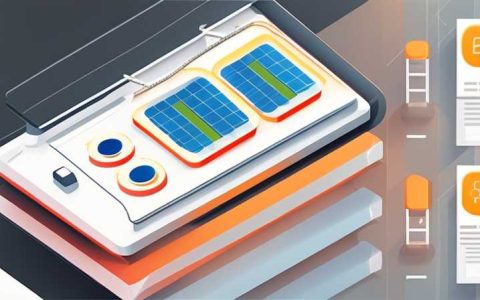
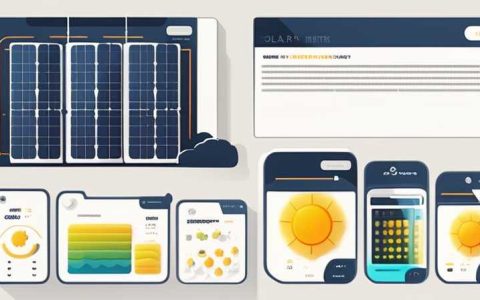
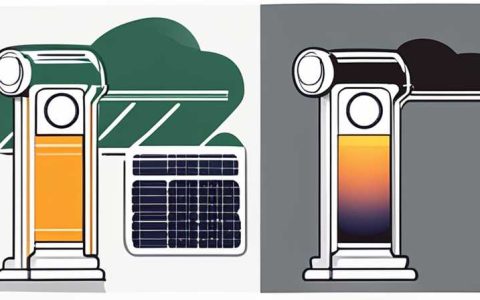
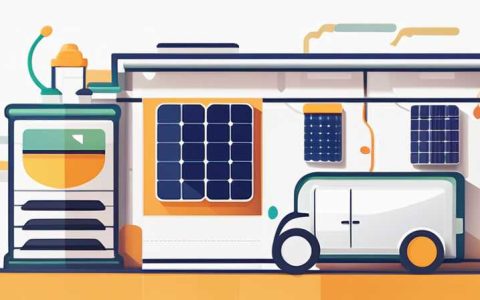
To fully appreciate the functionality of solar housekeepers, it is essential to acknowledge their structural components. Most systems consist of solar panels, which capture sunlight and convert it to electrical energy, and battery storage units, which store excess energy for later use. The combination of these technologies ensures that households can function independently of the grid, particularly during peak demand times or in the event of power outages. The depth of this technology not only accommodates typical energy needs but also integrates with advanced home automation systems to enhance overall efficiency.
2. BENEFITS OF UTILIZING SOLAR SYSTEMS IN HOUSEHOLD MANAGEMENT
Incorporating solar energy into household management offers numerous advantages that extend beyond financial considerations. Environmental sustainability is of paramount importance, as solar energy dramatically reduces reliance on fossil fuels, which contributes to a decrease in greenhouse gas emissions. Solar housekeepers play a pivotal role in this transition towards greener living spaces, offering a means to engage with eco-friendly practices daily.
Furthermore, embracing solar energy can lead to remarkable cost savings. Homeowners can experience reduced energy bills as the solar housekeeper provides an alternative to purchasing energy from the grid. Additionally, many regions offer tax incentives, rebates, or even subsidies for installing renewable energy sources, making the initial investment in solar technology more accessible. This translates into a substantial return on investment over time, as the energy generated can mitigate or completely offset monthly energy costs. Furthermore, with the rising costs of energy, investing in solar housekeepers can serve as a hedge against future price increases.
3. STEPS TO EFFECTIVELY EMPLOY SOLAR HOUSEKEEPER TECHNOLOGIES
Successfully implementing solar housekeepers into a household necessitates a strategic approach. The initial stage involves careful assessment and selection of suitable solar technologies based on individual needs. Homeowners must evaluate energy consumption patterns to determine the appropriate size and type of solar panels and storage systems. This analysis ensures that the system is not only capable of meeting daily energy demands but also optimized for efficiency.
After selecting the technology, the next step is installation. This often requires professional assistance to ensure that solar panels are positioned for maximum exposure to sunlight. Proper configuration can significantly enhance the efficiency of energy capture and utilization. Additionally, incorporating an intelligent energy management system can facilitate better monitoring of energy production versus consumption, ensuring that homeowners can track their savings and adjust usage habits accordingly. Regular maintenance of solar panels and monitoring of battery health ensures the system operates at peak performance, minimizing downtime and maximizing energy production.
4. CHALLENGES ASSOCIATED WITH SOLAR HOUSEKEEPER INTEGRATION
Despite the advantages presented by solar housekeepers, a few challenges are inherent to their integration into household systems. Initial investment costs can be considerable, causing some homeowners to hesitate before opting for this technology. While the long-term savings are significant, the upfront financial barrier can be deterring, necessitating careful budgeting and planning.
Moreover, the efficiency of solar systems is heavily dependent on geographic location and environmental factors. In regions with low sunlight exposure, solar panels may not generate sufficient energy to meet household needs. This limitation underscores the importance of conducting thorough research to ascertain the viability of solar energy in particular neighborhoods or climates.
FREQUENTLY ASKED QUESTIONS
WHAT IS A SOLAR HOUSEKEEPER?
A solar housekeeper is a solar-powered device or system designed to enhance household efficiency through the utilization of renewable energy. This innovative technology typically involves solar panels that capture sunlight, converting it into electricity for powering various home appliances and systems. Many solar housekeepers also incorporate batteries that store excess energy for usage when sunlight is minimal or absent. The central function of a solar housekeeper is to help manage energy consumption effectively, allowing households to reduce their reliance on traditional electricity sources and to lower their overall energy costs.
Using solar energy not only provides economic benefits but also contributes significantly to environmental sustainability. By harnessing a clean and renewable energy source, these devices help reduce greenhouse gas emissions and promote eco-friendly living. Solar housekeepers come in various forms, ranging from basic solar panels to fully integrated smart home systems capable of managing energy consumption autonomously. Their growing popularity is a testament to the increasing recognition of renewable energy’s potential to transform how households operate.
HOW DO SOLAR HOUSEKEEPERS IMPACT ENERGY BILLS?
The financial implications of using a solar housekeeper can be significant. By generating power from the sun, homeowners harness a renewable energy source that can greatly reduce or even eliminate their dependence on traditional electricity providers. Consequently, this leads to lower monthly energy bills, as much of the electricity consumed can come directly from the solar generation rather than purchased energy from the grid.
Moreover, the energy produced by a solar system can offset the costs associated with peak usage times when electricity prices are typically higher. The saved costs can accumulate over time, resulting in substantial financial benefits. Additionally, in some regions, homeowners may be eligible for net metering options, allowing them to sell excess energy back to the grid. This can further alleviate financial burdens and create a sustainable cycle of energy production and savings for households.
WHAT MAINTENANCE DOES A SOLAR HOUSEKEEPER REQUIRE?
Maintenance for solar housekeepers is generally minimal but essential for optimal operating efficiency. Regular inspections are vital to ensure that solar panels remain free from debris, dirt, or other obstructive elements that might hinder their performance. Ideally, panels should be cleaned periodically, particularly after inclement weather, to maintain maximum sunlight absorption.
In addition to physical cleaning, it is crucial to monitor the system’s energy output and battery functionality. This involves checking the system’s performance data, which can usually be accessed via connected apps or devices. If any significant drop in performance is noticed, it may warrant a professional assessment to identify potential issues. Additionally, battery maintenance is necessary to ensure longevity, including checking connections and, if applicable, replacing batteries as their lifespan decreases.
Adopting solar housekeepers represents a pivotal shift towards modernized and resource-efficient home management. The multifaceted benefits highlighted herein not only bolster financial savings but also significantly contribute to environmental sustainability. While challenges such as initial costs and geographical limitations exist, innovative and strategic solutions can make these technologies feasible for a wide array of households. Ultimately, a solar housekeeper provides a comprehensive approach to managing household energy demands, illustrating the profound impact of renewable energy technologies in contemporary living. With continued advancements in solar technology, the future looks promising, making these systems an attractive option for the conscientious homeowner. Investing in such systems today paves the way for greener, more sustainable living spaces while effectively managing energy consumption for tomorrow’s home.
Original article by NenPower, If reposted, please credit the source: https://nenpower.com/blog/how-to-use-solar-housekeeper/