

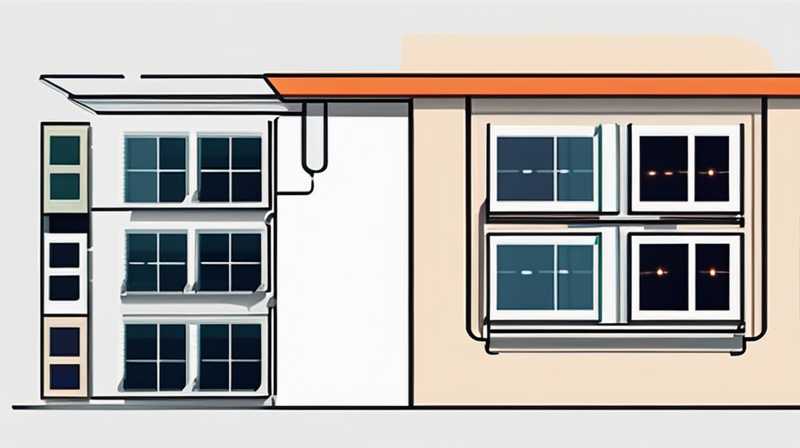
Utilizing solar energy with small windows involves several strategies that maximize light intake, efficiency, and practicality. 1. Window orientation plays a crucial role in energy collection. Ensuring that small windows face south in the northern hemisphere, or north in the southern hemisphere, allows for the absorption of more sunlight throughout the day. 2. Employing solar films or reflective coatings can enhance internal light capture. These materials increase the amount of light entering a room while minimizing heat loss. 3. Integrating solar panels into window designs enhances energy efficiency, transforming windows from mere views to energy-harvesting installations. Such innovations highlight the potential of even small installations to contribute meaningfully to energy needs. 4. Incorporating plants or foliage near windows can also help improve energy efficiency. Strategically placed green elements can both provide shade and enhance the aesthetic appeal of solar-enabled spaces.
1. WINDOW ORIENTATION AND DESIGN
The placement and orientation of windows significantly impact the efficiency of solar energy collection. Understanding the position of windows in relation to the sun’s path can optimize energy intake. Windows located on the southern side of a building in the northern hemisphere, for instance, are best positioned to capture direct sunlight during the day. This positioning allows occupants to benefit from natural light while reducing the dependency on artificial sources.
In contrast, windows on the north side receive less direct sunlight. However, this does not negate their potential for energy usage. Implementing specialized glazing techniques can help maximize the energy potential of all window types. Low-emissivity (low-E) coatings, for instance, reflect infrared energy while allowing visible light to enter. This feature is especially beneficial for small windows, as it ensures that energy conservation measures are maximized without compromising light levels indoors.
2. SOLAR FILMS AND REFLECTIVE COATINGS
Solar films and reflective coatings represent another innovative approach to enhancing the performance of small windows. These materials serve dual purposes: they improve light capture and reduce unwanted heat gain. Solar films applied directly to the glass surface can enhance its ability to filter sunlight. This means more light can enter the space while external heat is minimized, which significantly contributes to temperature control within the home.
Moreover, the application of reflective coatings can aid in diversifying the benefits of window usage. These coatings reflect a substantial portion of the sun’s energy back outside, thus reducing cooling costs during warm months. By utilizing these technologies, even windows that appear smaller in size can still contribute effectively to a building’s overall energy efficiency. Altogether, it’s crucial to select the right type of film or coating based on the specific climate and exposure of the building.
3. INTEGRATING SOLAR PANELS INTO WINDOW DESIGN
Revolutionary advancements in technology have led to the integration of solar panels into window designs. This concept reimagines windows as functional units that generate energy rather than mere light sources. Building-Integrated Photovoltaics (BIPV) are specially designed solar panels that can be embedded within window structures. These panels harness sunlight efficiently while maintaining the aesthetics of buildings.
This intersection of architecture and renewable energy isn’t just about aesthetics; it’s also about performance. Solar panels integrated into windows can greatly increase the amount of usable energy generated from a smaller surface area. This efficiency is essential, particularly in urban environments where space is limited. Furthermore, the adaptability of these systems means that they can easily conform to different architectural styles while providing an energy output that rivals traditional solar panels.
4. PLANTS AND FOLIAGE STRATEGICALLY PLACED
Incorporating plants or foliage near small windows can enhance solar energy usage while also adding to the overall aesthetic of a space. Plants can provide necessary shade during the summer months, reducing heat gain inside the home. Strategically placed greenery allows homeowners to create a microclimate, where the natural cooling effect of plants helps to maintain a comfortable indoor temperature with minimal energy consumption.
Additionally, greenery has the added advantage of improving air quality. The interaction between indoor plants and windows can foster a symbiotic relationship; sunlight nurtures the plants while the plants help to reduce glare and heat from the outside. The right selection of plants can thrive in bright, sunny window spaces while also contributing positively to the interior environment. This blend reinforces the concept that solar energy isn’t limited to technology; it can also harmonize beautifully with nature.
FREQUENTLY ASKED QUESTIONS
HOW CAN SMALL WINDOWS CAPTURE MAXIMUM SUNLIGHT?
To ensure that small windows effectively capture sunlight, it is essential to focus on their orientation. Windows facing south in the northern hemisphere or north in the southern hemisphere are particularly advantageous, as they receive the most sunlight during the day. Additionally, utilizing reflective coatings or films can help increase sunlight penetration, allowing more light to filter inside while blocking excess heat. The presence of awnings or overhangs can also be adjusted to control the amount of sun that reaches the windows at different times of the year, optimizing the sunlight captured based on seasonal changes.
WHAT TECHNIQUES CAN BE USED TO INCREASE ENERGY EFFICIENCY WITH SMALL WINDOWS?
Enhancing energy efficiency in homes with small windows can be achieved through several techniques. Installing low-E glass reduces heat transfer, allowing light in while preventing heat from escaping. Furthermore, employing solar panels or films can transform these windows into energy-producing sources, making them dual-purpose. Insulating window frames and ensuring tight seals prevents drafts and heat loss. Lastly, choosing the right window treatments, such as thermal curtains, can provide an additional layer of insulation that helps maintain comfortable indoor temperatures.
ARE INTEGRATED SOLAR WINDOW PANELS EFFECTIVE?
Integrated solar window panels, also known as Building-Integrated Photovoltaics (BIPV), are highly effective in generating renewable energy while serving as functional glass. These systems have evolved significantly, often yielding energy outputs comparable to traditional solar panels. The technology allows for a more cohesive architectural design, enabling buildings to harness solar energy without losing aesthetic appeal. Performance can vary based on local weather conditions, but modern advancements have maximized efficiency, allowing small windows equipped with BIPV technology to contribute effectively to energy needs.
Harnessing solar energy through small windows presents unique opportunities and challenges that require consideration and innovation. Innovations in architecture and technology are creating pathways to maximize energy gain even on smaller scales. Optimally orienting windows to face the sun’s arc enhances the potential for light capture and contributes positively to heating dynamics. Moreover, solar films and high-performance coatings can significantly augment the energy efficiency of small windows, providing dual benefits of light and heat management. The integration of solar panels within window designs transforms traditional concepts of energy collection, allowing these structures to contribute meaningfully to energy requirements.
Additionally, incorporating plants or strategically placing greenery can provide both thermal regulation and aesthetic appeal to spaces with small windows. Engaging with these methods can lead to sustainable living practices that take full advantage of available resources, managing energy consumption effectively. Such practices foster not only environmental stewardship but also a comfortable living environment, thereby enhancing quality of life.
In utilizing solar energy effectively, it becomes evident that innovative solutions hold the key to overcoming the inherent limitations posed by small windows. Cultivating an understanding of the multifaceted aspects of this convergence between architecture and renewable energy can empower homeowners to make informed decisions that align with their ecological goals. Through careful consideration and strategic planning, the integration of solar energy into living spaces, regardless of window size, can lead to significant reductions in reliance on conventional energy sources while providing a host of benefits for overall well-being and comfort.
Original article by NenPower, If reposted, please credit the source: https://nenpower.com/blog/how-to-use-solar-energy-with-small-windows/

