

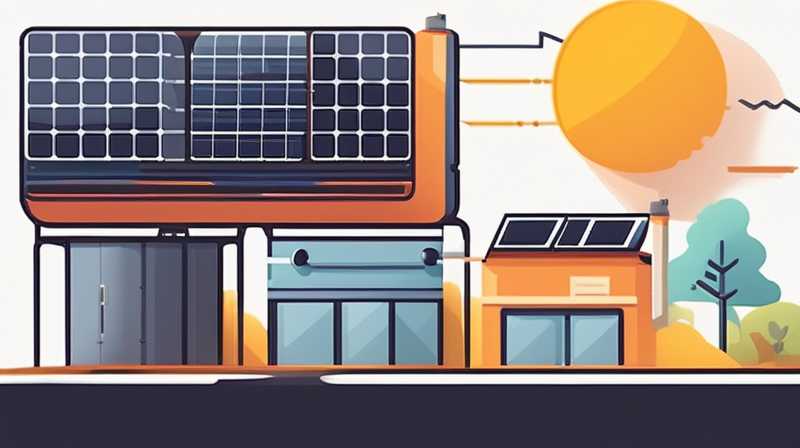
1. SOLAR ENERGY IN FACTORIES: AN INNOVATIVE APPROACH TO SUSTAINABILITY The utilization of solar energy in industrial settings can significantly diminish operational costs while concurrently promoting environmental stewardship. 2. Factories can harness solar energy through solar panel installations that convert sunlight into electricity. 3. This method leads to substantial reductions in carbon emissions and aligns with corporate sustainability goals. 4. Solar energy systems can also enhance energy independence, ensuring a consistent power supply even during grid interruptions.
1. INTRODUCTION TO SOLAR ENERGY IN INDUSTRIES
Harnessing solar energy for industrial applications has emerged as a paramount strategy to address the growing need for sustainable energy sources. As factories seek to optimize energy consumption and minimize carbon footprints, the integration of solar technology presents a viable solution. This endeavor not only aligns with ecological imperatives but also promises economic advantages.
Industrial facilities are often characterized by their substantial energy consumption and operational expenses. The transition to solar energy can mitigate these costs while simultaneously enhancing brands’ reputations as environmentally responsible entities. The declining costs of solar technology, coupled with advancements in photovoltaic systems, have made adopting solar energy more feasible than ever.
2. BENEFITS OF SOLAR ENERGY IN FACTORIES
2.1 ECONOMIC ADVANTAGES
The most compelling reason for integrating solar energy into factories is the potential for significant cost savings. By shifting reliance from conventional electricity sources to solar energy, factories can reduce utility bills dramatically. Once the initial investment in solar panels and related infrastructure is made, the ongoing expenses for power become substantially lower, providing tangible financial relief over time.
Additionally, companies may take advantage of various government incentives, tax rebates, and grants aimed at encouraging renewable energy adoption. These financial supports further diminish the up-front costs associated with solar energy installations, making the transition increasingly attractive to factory owners.
2.2 ENVIRONMENTAL IMPACT
The ecological benefits associated with solar energy cannot be overstated. Utilizing solar panels translates to a measurable decrease in greenhouse gas emissions, contributing positively to climate change mitigation efforts. Factories are traditionally viewed as significant polluters; by embracing solar energy, organizations can shift their operational methods towards more sustainable practices.
Moreover, the transition to renewable energy uplifts the overall public perception of the brand. Companies that prioritize sustainability often attract environmentally conscious consumers and investors, bolstering their market position in a competitive landscape.
3. SOLAR ENERGY TECHNOLOGIES
3.1 PHOTOVOLTAIC (PV) SYSTEMS
Photovoltaic systems are at the heart of solar energy utilization in factories. These systems convert sunlight directly into electricity, enabling businesses to generate their own power. Photovoltaic panels vary in size, efficiency, and application, from rooftop installations providing on-site energy to ground-mounted systems catering to large-scale energy needs.
Efficiency remains a central concern when selecting a PV system. Modern panels boast significant advancements in energy conversion rates, with high-efficiency modules yielding maximum output even under less-than-ideal sunlight conditions. Factory owners must evaluate their energy needs and available space to select the most suitable PV solution.
3.2 SOLAR THERMAL SYSTEMS
Apart from photovoltaic technology, solar thermal systems represent another pathway for factories to utilize solar energy. These systems capture sunlight to produce thermal energy, which can be employed for water heating, space heating, and even power generation through steam turbines. The ability to harness thermal energy from the sun is particularly useful in industries that demand hot water or steam for processing.
Companies engaged in food processing, chemical manufacturing, and textiles can benefit immensely from solar thermal installations, as these sectors often have large thermal energy demands. By deploying solar thermal systems, factories can reduce their reliance on fossil fuels for heating requirements.
4. IMPLEMENTATION STRATEGIES
4.1 SITE ASSESSMENT AND PLANNING
Before embarking on solar energy integration, it is vital for factories to conduct a comprehensive site assessment. This evaluation should encompass factors such as existing energy usage patterns, roof orientation, shading, and local climate conditions. A thorough understanding of both current and future energy requirements can inform decisions regarding the scale and type of solar installation desired.
An assessment will also lead to better preparations for the financing and logistics surrounding solar panel installation. Assessing local building codes and zoning regulations will ensure that the installation complies with necessary requirements, while also confirming that the project aligns with broader business objectives.
4.2 FINANCING AND INCENTIVES
The financial aspect of implementing solar energy solutions is often a primary concern for factory operators. Various financing options exist, including purchasing, leasing, or power purchase agreements (PPAs). By analyzing the return on investment for each financing method, companies can determine the most advantageous route to transition into solar energy.
Additionally, staying informed about federal, state, and local incentives is crucial. These incentives can vary dramatically by location, emphasizing the importance of performing due diligence in identifying any possible grants, rebates, or tax credits available for renewable energy installations.
5. CASE STUDIES OF SOLAR ENERGY IN INDUSTRIES
5.1 SUCCESSFUL INCORPORATION EXAMPLES
Several factories have successfully integrated solar energy, standing as models for others contemplating similar action. For instance, Company A invested in a large solar array that not only fulfilled its energy requirements but also contributed excess power back to the grid, leading to additional revenue streams. This company effectively positioned itself as a leader in sustainability, enhancing its reputation among consumers and investors alike.
5.2 STRATEGIC PARTNERSHIPS
Many organizations have found success by forming strategic partnerships with solar energy companies. Collaborating with experts in renewable energy can streamline the implementation process, providing access to specific knowledge, resources, and financing options that may not be readily available to factory owners.
Through collaboration, factories can focus on their core competencies while leveraging external expertise to accelerate their transition toward cleaner energy.
6. CHALLENGES AND CONSIDERATIONS
6.1 INITIAL INVESTMENT COSTS
Despite the long-term benefits, the initial investment in solar energy systems can be noteworthy, particularly in industries with extensive energy needs. Factory operators often grapple with budgeting constraints and the imperative of immediate returns.
Assessing the feasibility of solar installations requires careful financial planning and potential stakeholder buy-in to secure the necessary capital. However, various financing models and government incentives can help mitigate the burden of upfront costs.
6.2 MAINTENANCE AND SYSTEM EFFICIENCY
Beyond installation, ongoing system maintenance is critical to ensure solar panels operate at maximum efficiency over time. Regular inspections and performance monitoring can identify issues affecting the system’s output. Factory owners must implement a maintenance schedule to avoid performance degradation, keeping in mind that neglecting these aspects can diminish the expected return on investment.
7. FUTURE TRENDS
7.1 TECHNOLOGICAL INNOVATIONS
As the solar industry evolves, continuous advancements in technology are anticipated. Emerging innovations such as bifacial panels, which capture sunlight on both sides for improved efficiency, and energy storage solutions will enhance the feasibility and attractiveness of solar integration into factories.
These innovations aim to increase solar energy efficiency and reliability, making renewable energy sources more competitive with traditional fossil fuels.
7.2 GROWING MARKET DEMAND
The global emphasis on reducing carbon emissions and transitioning to sustainable energy practices is driving demand for solar energy solutions in factories. Industries are increasingly prioritizing sustainability as key stakeholders, including consumers, investors, and regulatory bodies, emphasize eco-friendly practices.
This growing expectation will push more companies to explore solar energy as a central component of their operational strategies.
8. POTENTIAL FOR ENERGY INDEPENDENCE
8.1 ENHANCED RESILIENCE
Utilizing solar energy allows factories to achieve a level of energy independence not typically visible with conventional energy methods. This independence can be profoundly beneficial, particularly during times of energy supply disruptions, natural disasters, or escalating energy costs.
By investing in solar technology, factories can ensure a consistent power supply, enabling them to remain operational even amid external challenges.
8.2 LONG-TERM SUSTAINABILITY
As businesses worldwide shift towards sustainable practices, factories adopting solar energy can capitalize on their investment in environmentally responsible technologies. Long-term sustainability hinges on mitigating reliance on fossil fuels, ultimately securing the viability of businesses in an energy-sensitive economy.
FREQUENTLY ASKED QUESTIONS
1. WHAT ARE THE INITIAL COSTS ASSOCIATED WITH SOLAR INSTALLATION IN FACTORIES?
The initial investment required for solar installation in factories can vary significantly depending on several factors, including the size of the system, the technology chosen, and the specific energy needs of the facility. Typically, the cost includes purchasing solar panels, inverters, installation labor, and any necessary permits. While the average installation can range from $100,000 to several million dollars, it is essential to consider the long-term savings associated with decreased electricity bills and potential income from selling excess energy back to the grid. Various financing options are available, including loans, power purchase agreements, and leasing, which can spread the costs over time and lessen the financial burden on factory operators.
2. HOW LONG DOES IT TAKE TO INSTALL SOLAR ENERGY SYSTEMS IN A FACTORY?
The duration of solar energy installation in a factory depends on several factors, including the complexity of the installation, permitting processes, and design specifications. On average, solar installations can take anywhere from a few weeks to several months. Initial stages involve site assessments, engineering designs, and obtaining necessary permits. Once these are secured, the installation of solar panels typically occurs within weeks, with additional time required for inspections and grid connection. Factories should account for these timelines when planning their transition to solar energy, ensuring minimal operational disruption.
3. WHAT MAINTENANCE IS REQUIRED FOR SOLAR ENERGY SYSTEMS?
Maintaining solar energy systems is crucial for ensuring optimal performance and longevity. Regular maintenance requires periodic inspections to check for dirt, debris, or shading that can hinder panel efficiency. In general, solar panels need to be cleaned infrequently, usually once or twice a year, but schedules can vary based on environmental conditions. Additionally, evaluating inverter performance and monitoring energy output through system diagnostics is vital. If issues arise, such as reduced energy production, factory operators may need to enlist professional technicians to resolve them quickly. Emphasizing maintenance ensures that the solar investment continues to yield returns over time.
Solar energy integration in factories epitomizes a pivotal revolution toward sustainable industrial operations. By strategically adopting solar technology, factories benefit from economic savings, reduced environmental impacts, and enhanced energy independence. The long-term financial advantages, bolstered by available incentives and advancements in energy technologies, render solar energy an attractive option for industries of various scales.
Furthermore, as the global emphasis on sustainability intensifies, companies that prioritize self-sufficient energy solutions will position themselves favorably within the market. By continuously assessing energy needs, exploring diverse technologies, and maintaining systems diligently, factories can ultimately thrive while embracing renewable energy solutions. The journey of transitioning to solar energy showcases not only operational resilience but an unwavering commitment to protecting the planet for future generations. Adopting solar energy is more than simply a business decision; it is an essential step toward fostering a sustainable legacy.
Original article by NenPower, If reposted, please credit the source: https://nenpower.com/blog/how-to-use-solar-energy-in-factories/

