To turn on outdoor solar lights, follow these key steps: 1. Ensure Adequate Sunlight Exposure, 2. Activate the Power Switch if Present, 3. Wait Until Dusk for Activation, 4. Maintain Regular Maintenance for Optimal Functioning. One crucial detail involves ensuring adequate sunlight exposure, as solar lights rely on solar panels to absorb light during the day. If these panels are obstructed by dirt, debris, or positioned in shaded areas, they will not gather the necessary energy to illuminate at night. Regular maintenance, including cleaning the solar panels, can significantly enhance the performance and longevity of these lighting systems.
1. UNDERSTANDING SOLAR LIGHT MECHANISMS
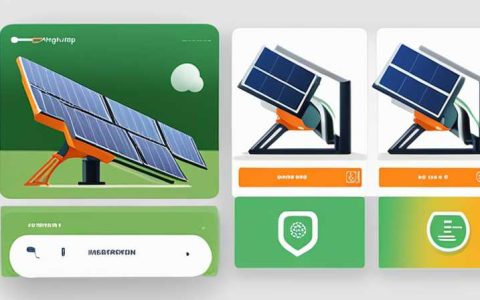
Solar lights operate through a combination of solar panels, rechargeable batteries, and LED bulbs. The solar panel plays a pivotal role by capturing sunlight, converting it into electrical energy, and storing this energy in a battery for later use. At night, the stored energy powers the LED lights, enabling them to illuminate outdoor spaces effectively. To achieve optimum functionality, understanding how these elements work in unison is crucial.
Modern solar lights incorporate photocells, which sense ambient light levels. These sensors trigger the lights to turn on automatically when darkness falls, providing a hassle-free lighting solution. Familiarity with this technology can help users make informed decisions regarding the placement and usage of solar lights, maximizing their efficiency and lifespan.
2. SELECTING THE RIGHT LOCATION
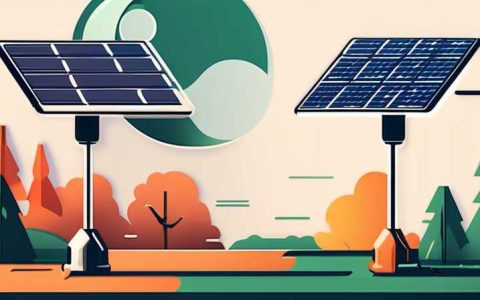
Choosing the right location for outdoor solar lights is fundamental. 1. Sunlight Exposure is critical; solar panels need direct sunlight for a significant portion of the day to function optimally. 2. Avoiding Shadows cast by nearby trees, buildings, or other structures is paramount. Proper positioning ensures that solar panels can absorb maximum sunlight, directly affecting the brightness and duration of light output at night.
Consider regional climate conditions in determining where to place solar lights. Areas with frequent overcast skies or heavy snowfall may require particular attention to the placement and type of solar lights used. Additionally, consider the ground surface where they will be installed; many solar lights are secured using stakes that require stable soil.
It’s advisable to experiment with different locations to determine which spot provides the most consistent light throughout the night. This observation process may require moving the lights on more than one occasion, as the performance can vary significantly with slight changes in position.
3. ACTIVATING SOLAR LIGHTS
When installing solar lights, activating them is often a crucial step that many users overlook. Some models come equipped with a manual switch, and knowing how to engage this switch ensures that the lights will respond correctly to ambient light conditions. Look for a labeled switch on the light itself; it can often be found near the solar panel or connected battery compartment.
Before the initial use, it is advisable to charge the lights fully. This involves allowing them to receive full sunlight for at least one day. Many users may fail to realize that the first use often takes longer than usual if the light has not been adequately charged. A well-charged solar light will illuminate brighter and for longer periods, forming a substantial difference in performance as opposed to a partial charge.
Monitoring the response of the solar lights as dusk approaches can also provide insights into their effectiveness. Checking if the lights automatically switch on after sunset ensures they are functioning as intended.
4. MAINTENANCE OF SOLAR LIGHTS
Routine maintenance of outdoor solar lights is vital for ensuring their longevity and optimal performance. One of the most crucial tasks includes cleaning the solar panels to remove dirt, debris, or leaves that accumulate over time. This debris can substantially hinder the ability of solar panels to absorb sunlight, leading to diminished functionality. Use a soft cloth and mild soap solution to wipe the surfaces gently.
Additionally, inspect the battery condition regularly. Over time, rechargeable batteries can degrade, reducing their capacity to hold a charge. Replacing these batteries as needed helps ensure consistent operation and saves users from the inconvenience of unexpected outages. Manufacturer guidelines regarding battery lifecycle should be strictly followed to ensure compatibility and performance.
Occasionally checking the light bulbs is also necessary, especially for models that allow for bulb replacement. This maintenance practice ensures that any burned-out bulbs are swiftly replaced, preserving the functionality of the entire lighting system. Proactive maintenance not only ensures longevity but also optimizes performance, allowing for a brighter and more efficient light output.
5. TROUBLESHOOTING COMMON ISSUES
Occasionally, issues arise with outdoor solar lights, and troubleshooting can often remedy the situation. Common problems include lights not turning on at night or functioning intermittently. These issues can sometimes stem from insufficient sunlight during the day, either due to poor positioning or seasonal changes.
Moreover, another frequent problem is the buildup of dirt on the solar panels, which may impede sunlight absorption. Regularly inspecting and cleaning the panels can prevent such challenges. If the lights flicker or do not provide adequate illumination, check the battery status. As solar technology evolves, users should remain familiar with developments in battery technology and monitor their products’ performance accordingly.
Some lights may also have advanced settings that allow users to customize brightness levels or operational modes. Familiarizing oneself with the user manual ensures that users can utilize the lighting system effectively, providing a pleasant outdoor ambiance.
FREQUENTLY ASKED QUESTIONS
HOW LONG DO SOLAR LIGHTS LAST ON A FULL CHARGE?
Typically, solar lights can last anywhere from 4 to 12 hours on a full charge. This duration primarily depends on the type of battery used and the amount of sunlight the solar panels receive throughout the day. Higher-quality models may use lithium-ion batteries, which generally last longer than standard nickel-cadmium options.
Moreover, the brightness settings play a significant role; lights set to the lowest wattage naturally extend the duration. Seasonal factors, such as shorter daylight during winter months, also influence energy absorption and performance duration. Ultimately, paying attention to model specifications and expected performance can help set realistic expectations for light duration.
CAN SOLAR LIGHTS WORK IN CLOUDY WEATHER?
While solar lights predominantly rely on sunlight, they still function during cloudy or overcast conditions. Moderate sunlight is sufficient for charging the panels, but the effectiveness may diminish compared to direct sunlight exposure. On particularly cloudy days, charging efficiency can decrease, leading lights to operate for shorter periods or with reduced brightness.
It is essential to manage expectations regarding lighting performance during winter or rainy seasons. Homeowners may notice varied effectiveness in regions with prolonged overcast. Selecting solar lights designed for specific climates can mitigate some of these challenges; options with enhanced solar panels and batteries optimized for low-light conditions can significantly improve reliability.
WHAT SHOULD I DO IF MY SOLAR LIGHTS WON’T TURN ON?
If outdoor solar lights fail to illuminate, several troubleshooting methods can help identify the issue. First, inspect the power source to ensure they are charged adequately by checking for dirt or obstructions on the solar panels. If cloudy conditions persist, the lights might simply need more sunlight exposure.
Next, examine manual switches, if applicable, to eliminate the possibility of them being turned off accidentally. If maintenance steps do not resolve the issue, checking the battery could be essential. It may require replacement if it seems swollen, leaks, or is significantly aged. Utilizing the manufacturer’s guideline can help determine if a professional inspection is required.
ENHANCING OUTDOOR LIGHTING WITH SOLAR TECHNOLOGY
Opting for solar lighting solutions represents both an eco-conscious choice and a practical one, elevating outdoor aesthetics while promoting sustainability. The benefits of utilizing renewable energy sources extend well beyond illumination, contributing to reduced energy costs and environmental conservation. These lighting systems often embody sleek designs, harmonizing seamlessly with various landscapes while providing essential nighttime visibility.
Furthermore, many homeowners appreciate the versatility of solar lights, adaptable for pathways, gardens, patios, and other outdoor spaces. Embracing this technology allows individuals to explore an array of stylish options, with designs ranging from minimalist to ornate. As a result, outdoor spaces can be enhanced aesthetically while achieving functional benefits.
Moreover, considering the future of solar technology and its ongoing innovations reassures users of its resilience and efficacy. Incorporating new technologies such as motion sensors or smart systems can further optimize outdoor lighting solutions, adjusting brightness based on real-time atmospheric conditions to enhance energy efficiency.
Ultimately, understanding how to effectively turn on and maintain solar lights empowers users to enjoy their benefits fully. By adhering to best practices, homeowners can enjoy well-lit outdoor environments while minimizing their ecological footprints. Through knowledge and diligence, outdoor solar lights can transform patios, gardens, or pathways into illuminated extensions of living spaces, embracing both functionality and elegance.
Original article by NenPower, If reposted, please credit the source: https://nenpower.com/blog/how-to-turn-on-outdoor-solar-lights/