

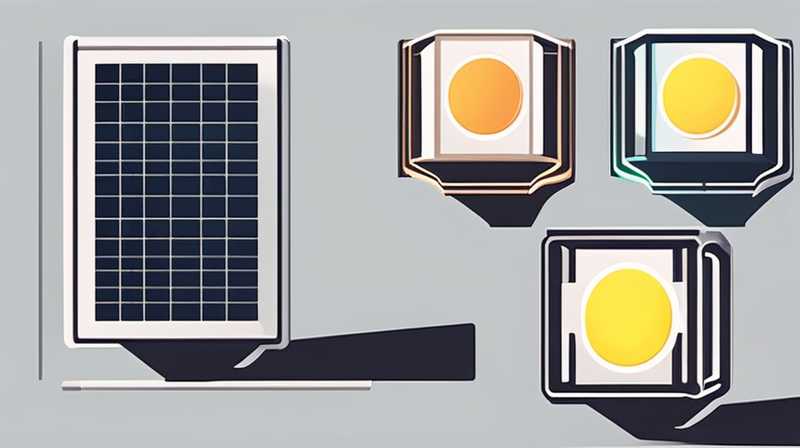
To turn on and off LED solar garden lighting, follow these essential steps: 1. Locate the power switch, 2. Ensure the solar panel receives adequate sunlight, 3. Check the battery installation, 4. Adjust the sensor settings if applicable.
When it comes to locating the power switch, many solar lights come equipped with a simple on/off switch that is often found near the solar panel or on the back of the light fixture. This switch enables users to control the device manually, allowing it to remain off during the day when sunlight is present, conserving battery life for nighttime use.
1. UNDERSTANDING SOLAR GARDEN LIGHTS
Solar garden lights, primarily designed for outdoor use, harness solar energy to illuminate gardens, pathways, and patios. These devices utilize a solar panel that captures sunlight, converting it into electrical energy stored in internal batteries. When darkness falls, the stored energy powers the LED bulbs, providing light without relying on traditional electrical sources.
The advantages of solar garden lights are multifaceted. Firstly, they offer environmentally-friendly lighting solutions since they utilize renewable energy from the sun. This aspect not only reduces carbon footprints but also lowers electricity bills. Furthermore, solar lights are often easy to install, requiring no wiring or specialized skills. Most products can be positioned wherever needed, promoting flexibility in design and installation.
2. HOW TO TURN ON LED SOLAR GARDEN LIGHTS
To activate solar lighting systems, start by locating the power switch. Most models include a switch situated beneath the solar panel or on the unit’s back or sides. Activating this switch is crucial for initiating the charging process, allowing the light to automatically turn on at dusk.
In addition to the physical switch, it’s paramount to ensure that the solar panel is unobstructed to capture as much sunlight as possible. This aspect not only influences how well the lights perform at night but also affects the longevity of the battery. Without adequate sunlight, the lights may suffer insufficient charging, leading to faint illumination or failure to activate when required.
3. ENSURING PROPER BATTERY FUNCTIONALITY
Once the light is activated, it’s essential to check the batteries installed within the unit. Most solar lights employ rechargeable batteries, ranging from NiCd (Nickel-Cadmium) to Li-ion (Lithium-ion). Users should understand that the quality and capacity of these batteries have a direct impact on the light’s performance.
Regular maintenance involves inspecting the batteries for signs of corrosion or any potential issues. If lights don’t illuminate consistently, it may indicate that the batteries require replacement. Moreover, understanding the lifespan of solar batteries is important; typical batteries may last between one to three years, after which performance may decline significantly.
4. ADJUSTING SENSORS AND SETTING TIMER FUNCTIONS
Some models come equipped with sensors that enable automatic activation during night hours. These sensors function by detecting ambient light levels. For users who wish to customize the operational logic of their solar lights, understanding how to adjust these sensors is essential.
Settings may vary from one device to another. Some solar garden lights offer timer features that allow users to set specific hours for illumination, optimizing energy use based on personal preferences or seasonal variations. Proper adjustment of such settings ensures that lights operate effectively and enhance the overall aesthetic appeal of the garden space.
5. MAINTENANCE AND CARE FOR LONGEVITY
To ensure long-lasting performance, regular upkeep of solar lights is vital. This maintenance includes cleaning the solar panel, as dirt and debris can inhibit sunlight absorption. A clean lens also maximizes light output.
It’s also advisable to periodically check the positioning of the lights. As vegetation grows, it may inadvertently block sunlight from reaching the solar panels. Regular adjustments and clearings of foliage will greatly improve both charging and overall efficacy.
6. COMMON PROBLEMS AND TROUBLESHOOTING
Users might encounter several issues with solar garden lights, predominantly due to environmental factors or component failures. One common issue is insufficient illumination during the night, often resulting from inadequate sunlight exposure or battery depletion.
To troubleshoot such problems, begin by verifying the solar panel’s orientation—ensure it receives direct sunlight, preferably for at least several hours daily. Additionally, inspect the batteries for damage or corrosion, as these issues can necessitate replacement for optimal functionality. If lights continue to malfunction after addressing these common concerns, consulting the manufacturer’s guidelines or seeking professional help may be necessary.
7. ENVIRONMENTAL IMPACT OF SOLAR LIGHTS
The environmental benefits of solar garden lights extend beyond mere sustainability. By utilizing renewable energy, these devices play an integral role in reducing reliance on fossil fuels. Consequently, they champion cleaner air and mitigate greenhouse gas emissions associated with traditional energy generation.
Furthermore, promoting the use of solar lights encourages a cultural shift towards greener technologies. Many communities are thus inspired to adopt similar sustainable practices, amplifying the cumulative effect of individual choices in fostering a healthier planet.
FREQUENTLY ASKED QUESTIONS
HOW LONG DO SOLAR GARDEN LIGHTS LAST?
Solar garden lights typically last for several years, contingent upon both the quality of the materials used and the prevailing weather conditions. The solar panel itself can endure for approximately 20-25 years, assuming it is well-maintained. However, battery life varies greatly, with rechargeable batteries lasting between one to three years before requiring replacement. Users should regularly inspect their devices to determine if battery replacement is necessary, ensuring their solar lights operate at optimum performance.
Additionally, the durability of the housing and internal components plays a crucial role. Lights manufactured from robust materials designed to withstand weather elements can significantly prolong the lifespan of the unit itself. Regular maintenance, such as cleaning solar panels and replacing corroded batteries, further supports the longevity of solar garden lights, allowing homeowners and gardeners to maintain vibrant, illuminating spaces.
CAN I USE SOLAR GARDEN LIGHTS IN WINTER?
Yes, solar garden lights are certainly usable during the winter months, but their performance can vary significantly with regard to weather conditions. In colder climates, especially where snow accumulation is frequent, solar panels may experience reduced sunlight exposure. This reduction can affect charging capabilities, leading to diminished illumination times during long winter nights.
It is advisable for users to clear any snow or ice from the solar panels to maximize sun exposure and energy absorption. Moreover, positioning lights in areas that receive optimal sunlight can considerably enhance their efficiency. While the longevity and brightness may be impacted during this season, effective placement and maintenance will help ensure that solar garden lights remain operational throughout winter, providing essential illumination in outdoor spaces.
CAN I REPLACE THE BATTERIES IN MY SOLAR LIGHTS?
Absolutely! Replacing the batteries in solar lights is not only possible but often necessary to maintain optimal light performance. As batteries degrade, they might hold less charge over time, resulting in insufficient illumination during the night. Most solar light designs allow for easy access to the battery compartment, usually located behind a small cover or panel.
When replacing batteries, it is recommended to use identical specifications to the original, ensuring compatibility and longevity. Users should also be aware of battery discharge and charging cycles, considering that some manufacturers provide specific recommendations regarding battery replacements. Regularly checking battery health and replacing as needed will ensure that solar lights continue to function efficiently and illuminate outdoor spaces effectively.
In summary, turning on and off LED solar garden lighting is a straightforward process that hinges on several factors. Users must locate the power switch to activate the unit, ensure that the solar panel receives adequate sunlight to enable proper charging, check for battery functionality and, if necessary, adjust any sensor settings to tailor operation based on user preference. Furthermore, recognizing the broader benefits of solar garden lights, such as their environmental impact, illustrates the value of adopting renewable technologies. A proper understanding of maintenance, including solar panel cleaning and battery replacement, is critical for sustaining light effectiveness over time. By investing in solar garden lights, individuals contribute not only to their own convenience and aesthetic enjoyment but also to the health of the planet through sustainable practices. With thoughtful installation, regular upkeep, and appropriate use, LED solar garden lighting systems can offer long-lasting, reliable illumination for outdoor spaces, enriching both residential gardens and communal areas alike.
Original article by NenPower, If reposted, please credit the source: https://nenpower.com/blog/how-to-turn-on-and-off-led-solar-garden-lighting/

