

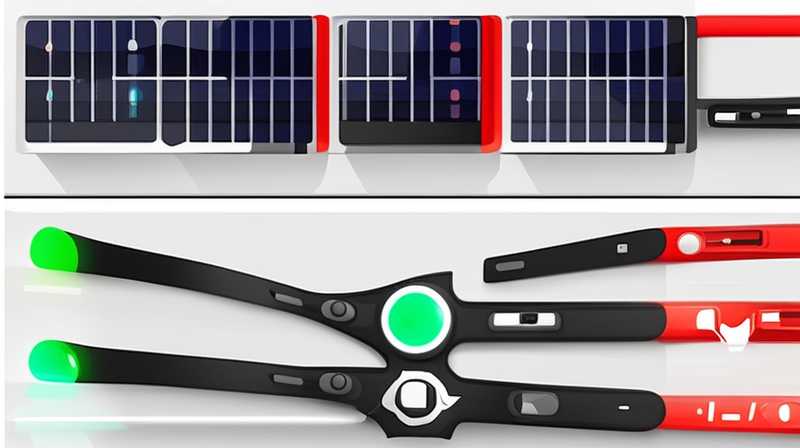
To turn off solar-powered car lights, follow these steps: 1. Locate the switch or control panel, 2. Press or toggle the switch, 3. Disconnect the power source, 4. Refer to manufacturer’s instructions. The process primarily involves accessing the control mechanism that governs the solar-powered lighting system. When dealing with lights powered by solar energy, they often are designed to function automatically, responding to ambient light conditions. Therefore, identifying the manual override mechanism or understanding the settings through the vehicle’s manual is crucial for efficient operation.
1. UNDERSTANDING SOLAR-POWERED CAR LIGHTS
Solar-powered car lights represent an innovative advancement in automotive technology, combining functionality with environmental considerations. These lights harness sunlight to generate electricity, stored in batteries for use during darker hours. Solar-powered lights are becoming increasingly popular in modern vehicles, particularly in hybrid and electric models. However, understanding how these systems operate can be crucial for managing their performance effectively.
The core of solar-powered lighting lies in photovoltaic cells, which convert sunlight into electrical energy. When the vehicle is exposed to sunlight, these cells charge the batteries connected to the lighting circuit. This means that the lights can function without drawing energy from the car’s main battery, thus extending the car’s overall energy efficiency. However, this automatic operation can sometimes lead to confusion when owners wish to manually intervene, especially in situations where they need to turn off the lights.
2. COMMON ISSUES WITH SOLAR LIGHTS
Using solar-powered lights in cars is generally beneficial, yet several challenges can arise, prompting the need for manual shutdown. One common issue occurs during overcast days or in the evening, where the lights may remain illuminated due to insufficient light detection by the photovoltaic cells. This can deplete the batteries if left unattended, which is a typical concern for vehicle owners.
Another issue involves the sensitivity of the light sensors. Occasionally, the sensors may not accurately detect available light, causing the lights to remain on longer than necessary. For example, if the car is parked near streetlights or bright signage, it may lead the lights to think it’s still daytime. This can be particularly inconvenient and raises the importance of knowing how to manually turn off the solar-powered lights when needed. Understanding these common issues can help prevent battery drainage and maintain the optimal functionality of solar-powered lighting systems in cars.
3. LOCATING THE CONTROL MECHANISM
To successfully disable the solar-powered car lights, one must first locate the appropriate control mechanisms. This can typically be found on the vehicle’s dashboard, near the driver’s seat, or in a designated control section of the car. Most modern cars equipped with solar-powered lights will have either a physical switch or a digital control interface accessible via the onboard computer system.
Physical switches may often be labeled clearly, indicating their function regarding the car’s lighting system. In contrast, digital controls may be embedded within the vehicle’s infotainment system. Accessing this can sometimes require navigating through menus, which may vary by manufacturer. Therefore, maintaining familiarity with the vehicle’s specific control layout is essential for quick operation and the ability to turn lights off as needed.
4. UNDERSTANDING MANUFACTURER INSTRUCTIONS
Every vehicle model can feature unique configurations and functions regarding solar-powered lights. For navigating these differences, the owner’s manual serves as an invaluable resource. Within this manual, detailed instructions are often provided on various functionalities, including methods for turning off solar-powered lights.
By consulting the manufacturer’s guidelines, drivers can gain insight into the recommended practices for managing the vehicle’s solar light system. These instructions can outline steps toward deactivation, troubleshooting options for persistent lighting issues, and specific warnings about the consequences of failed electrical systems. Altering or overriding settings without understanding the manufacturer’s guidelines could potentially lead to severe maladies in the system. Armed with this knowledge, drivers can ensure that their approach to turning off solar-powered car lights is both effective and safe.
5. TROUBLESHOOTING COMMON LIGHTING PROBLEMS
While the ability to turn off solar-powered car lights is generally straightforward, some technical difficulties may arise that necessitate deeper troubleshooting methods. For instance, if the lights stubbornly remain operational even after toggling the switch or control panel, it may indicate an underlying fault within the circuitry.
Potential circuit failure can arise from several factors, including disconnections or damaged wires, can prevent the system from responding as expected. Regular inspections of electrical connections and components associated with the solar lighting system may uncover the solutions. Not only does this ensure that all parts are functioning correctly, but it also helps in maintaining the longevity of the vehicle’s electrical system.
6. MAINTAINING THE SOLAR LIGHTING SYSTEM
Beyond merely turning off the lights, there are key practices to adopt for the ongoing maintenance of solar-powered car lights. This begins with ensuring that the photovoltaic cells remain clean and unobstructed. Dust, dirt, and even foliage can obstruct light absorption, impairing the efficiency of the solar panels and leading to potential operational issues with the lighting system.
Regular examination of the light sensors is also essential. Sensors can be compromised by external factors such as changes in vehicle alignment or wear and tear over time. If the sensor becomes malfunctioning, it may trigger unintended lighting operations. Scheduling periodic inspections to account for these aspects ensures optimal performance of the solar-powered lighting system, providing convenience and efficiency when utilizing these renewable energy sources.
7. CONSIDERING ALTERNATIVE LIGHTING OPTIONS
For some vehicle owners, turning off the solar-powered lights may not be sufficient to address broader concerns regarding vehicle lighting. As needs evolve, exploring alternative lighting solutions that provide similar or improved functionality may be prudent. Various lighting technologies exist, designed to optimize energy consumption and enhance visibility while reducing reliance on traditional power sources.
LED lights are an excellent option, known for their lower energy consumption and longer lifespan than conventional lighting systems. Moreover, integrating more extensive lighting options with smart technology can lead to significant improvements in how lights respond to environmental conditions. This adaptability can substantially heighten user experience and ensure that drivers have confidence in their vehicle’s lighting systems, whether powered by solar energy or otherwise.
FAQs
HOW DO SOLAR-POWERED CAR LIGHTS WORK?
Solar-powered car lights operate using photovoltaic cells that convert sunlight into electricity. These cells charge batteries while absorbing daylight, making the lights operational when natural illumination diminishes. The primary advantage is sustainability, given their capability to function without draining the main car battery. However, potential issues may arise with sensitivity, where ambient light may not prompt adequate responses, leading to energy wastage.
WHAT SHOULD I DO IF MY SOLAR LIGHTS WON’T TURN OFF?
If the solar lights remain illuminated after switching them off, begin by checking the controls and settings outlined in the vehicle’s owner’s manual. If the issue persists, inspecting for possible circuit faults or sensor malfunctions may be necessary. External factors such as obstructions to photovoltaic panels can also impact performance and may require cleaning or repositioning. When in doubt, consulting the manufacturer for professional assistance is recommended.
CAN I REPLACE MY SOLAR-POWERED LIGHTS WITH CONVENTIONAL ONES?
Yes, replacing solar-powered lights with conventional lighting systems is a feasible option. Many vehicle owners opt for this shift depending on personal preferences or specific situation requirements. Before undertaking this change, it’s critical to consider how it impacts energy efficiency and overall functionality. Evaluating the vehicle’s power requirements and local regulations regarding lighting can provide essential insights into implementing the alternation effectively.
Turning off solar-powered car lights is more than merely disengaging a switch; it encapsulates a broader responsibility toward maintaining an environmentally friendly yet efficient vehicle. Through learning systems intricacies and proactively addressing common concerns, owners can ensure the continuous and flawless functionality of their car’s lighting. Proper inspections, maintenance of functional components, and strategic consideration of alternative technologies can amplify efficiency. Furthermore, the practical skills developed through familiarity with solar lighting technology cultivate a deeper appreciation for sustainable solutions in the automotive industry. Knowledge empowers vehicle owners to make informed decisions regarding lighting systems, thereby contributing to a more eco-friendly future. In this context, every driver can transform their operational experiences into an opportunity for innovation, efficiency, and environmental stewardship as they navigate the eco-friendly landscape of modern automotive technology.
Original article by NenPower, If reposted, please credit the source: https://nenpower.com/blog/how-to-turn-off-the-solar-powered-car-lights/

