

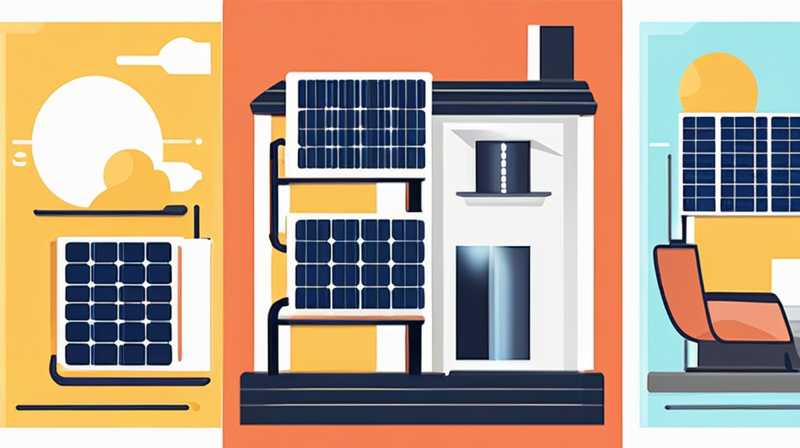
To capture compelling images of solar energy at home, there are several actionable steps one can take. 1. Select the right time of day, 2. Utilize appropriate equipment, 3. Implement proper techniques, 4. Consider safety measures. Each of these points plays a crucial role in achieving stunning results. For instance, choosing specific times such as the golden hour—shortly after sunrise or before sunset—can illuminate solar panels in a manner that highlights their efficiency and contemporary design, resulting in captivating photographs. In this guide, the intricacies behind the process of photographing solar energy will be explored, delving into technical tips, composition strategies, and creative methods to effectively convey the essence and importance of solar energy systems.
1. SELECTING OPTIMAL TIMING
Choosing the right time to take photographs of solar panels is vital for achieving quality visuals. Natural lighting significantly influences the final image. Early mornings or late afternoons are preferable due to the soft, warm glow during these times. This ambient light enhances details while avoiding harsh shadows that can detract from the solar installation’s visual appeal.
Furthermore, it is essential to observe weather patterns, as clear skies generally yield the best results. Clouds can diffuse sunlight but may also obscure the vibrant blue of solar panels. Understanding the importance of the sun’s angle can further elevate your photography. Shooting when the sun is at a lower angle helps capture reflections and can make the solar cells appear more dynamic. Capturing the panels when they are basking in sunlight not only emphasizes their functionality but also enhances their aesthetic beauty.
2. USING APPROPRIATE EQUIPMENT
Selecting the right equipment is fundamental for high-quality photography of solar energy systems. A DSLR or mirrorless camera is highly recommended for capturing detailed images. These types of cameras offer superior image quality and versatility compared to standard smartphones. Pairing them with an appropriate lens can significantly enhance capturing the angle of solar panels effectively, whether wide-angle or telephoto.
For those utilizing smartphones, it’s beneficial to equip them with external lenses that can improve versatility. A tripod is also essential for ensuring stability, especially in low-light conditions. Taking extended exposure shots may provide remarkable detail but requires steady support. Investing in filters, such as polarizers, can help manage reflections and glare from the solar panels. Additionally, consider utilizing a remote shutter release to avoid shaking the camera during the shooting process, ensuring sharper images.
3. IMPLEMENTING PHOTOGRAPHY TECHNIQUES
Mastering various photography techniques can elevate the quality of your solar energy shots dramatically. Understanding composition is key; applying the rule of thirds can create more visually appealing images. By placing the solar panels slightly off-center, one can balance the photograph with surrounding elements, such as landscapes, houses, or the sky. This approach draws the viewer’s eye toward the panels while offering context.
Moreover, experimenting with different angles can yield unique perspectives. Shooting from below the panels or from an elevated position can create intriguing images that emphasize size and scale. Utilizing creative framing enhances visual interest, incorporating natural elements like trees or structures into the shot. Additionally, capturing the solar panels in use—such as generating energy—will add context and intrigue, effectively showcasing their purpose.
4. CONSIDERING SAFETY MEASURES
Photographing solar energy systems safely should never be overlooked. Safety measures protect both the photographer and the equipment. Before even beginning your shoot, it’s crucial to assess the environment for potential hazards. This includes ensuring stability—avoiding risky positions on rooftops or near electrical lines—while using sturdy and secure ladders when necessary.
Additionally, safeguarding the camera equipment from extreme weather conditions is essential. Investing in weather-resistant gear or protective covers can prevent damage from unexpected rain or harsh sunlight. One must also be cautious of solar radiation exposure, particularly during peak sunlight hours. Wearing appropriate clothing and sun protection, such as sunscreen and sunglasses, ensures a safer and more enjoyable photography experience.
FAQs
WHAT CAMERA SETTINGS ARE IDEAL FOR CAPTURING SOLAR PANELS?
To optimally photograph solar panels, start by setting your camera to aperture priority mode, which lets you control the depth of field. A higher aperture value, like f/8 or f/11, is generally advisable to maintain sharpness across the entire image. Keeping ISO at a low level, such as 100 or 200, reduces noise and provides clarity. Ensure your shutter speed is at a sufficient level to avoid motion blur, particularly in breezy conditions. Utilizing manual focus can also yield better results, especially in bright environments where autofocus may struggle.
Additionally, pay attention to the histogram—this tool helps monitor exposure levels to avoid overexposed highlights or underexposed shadows. Furthermore, shooting in RAW format preserves image quality, allowing deeper post-processing adjustments later. Reviewing your photographs on-site ensures you can make immediate adjustments, leading to optimal results in your solar panel photography efforts.
HOW CAN I USE EDITING SOFTWARE TO ENHANCE MY SOLAR ENERGY PHOTOS?
Editing photos post-session can significantly enhance their visual appeal. Begin with basic adjustments: tweaking exposure, contrast, highlights, and shadows can enhance details within the image. Most software tools, such as Adobe Lightroom or Photoshop, allow for easy manipulation of these settings to create an eye-catching visual presentation.
Utilizing color balance and saturation tools can emphasize the rich hues of the solar panels against the sky. Adding a slight vignette can also draw emphasis towards the center of the photograph, focusing on the solar installation. Another technique involves sharpening details in the images to enhance textures, particularly the cells on the solar panels.
Further creative enhancements, such as cropping or straightening, can vastly improve composition and balance within the photograph. Using selective adjustments enables tweaking certain areas without impacting the entire image, allowing for refined backgrounds or highlighted sections. The key is to enhance without over-processing, maintaining a natural look synonymous with solar energy’s real-world application.
HOW DO I CAPTURE SOLAR ENERGY PRODUCTION IN MY PHOTOS?
Photographing solar energy production requires a different approach. To showcase energy generation, consider incorporating power measurements or digital displays that indicate efficiency. Capturing the solar panels in action, such as tilting towards the sun or during peak production hours, can add a dynamic element to your photographs.
Including supplementary elements within the shot enhances context—consider framing panels alongside energy-related objects like electric vehicles, batteries, or appliances that utilize solar power. Using a time-lapse technique might effectively convey the transition from sunrise to sunset while showcasing the panels’ movement throughout the day.
Additionally, capturing images of the system being installed or maintained adds to the narrative of solar energy. Documenting the lifestyle aspect—families benefitting from solar energy in their homes—can also impart a relatable human element that resonates strongly with viewers. Such engaging imagery not only showcases the technology but also highlights its positive impact on everyday lives.
The artistry involved in capturing the essence of solar energy presents limitless opportunities for expression. Through careful consideration of the environment and judicious choice of equipment, both the message and aesthetic can convey the importance of sustainable energy solutions in the modern world. It is essential to approach this process with a mindset geared towards creativity and professionalism, ensuring that every image serves a purpose beyond mere documentation. Analyzing conditions, harnessing the right tools, and achieving optimal results through comprehensive techniques allow individuals to not only celebrate solar technology but also inspire others to recognize its critical role in a sustainable future. By observing these practices, one can craft vivid narratives that portray the idolization of solar energy and its tangible potential within households. These captured moments serve as visual testimonials, urging collective action toward a greener planet, making them truly significant in their contributions to advocacy and awareness in renewable energy. The photographs become not just artistic representations but also powerful vehicles for change, echoing the commitment to ecological responsibility.
Original article by NenPower, If reposted, please credit the source: https://nenpower.com/blog/how-to-take-photos-of-solar-energy-at-home/

