

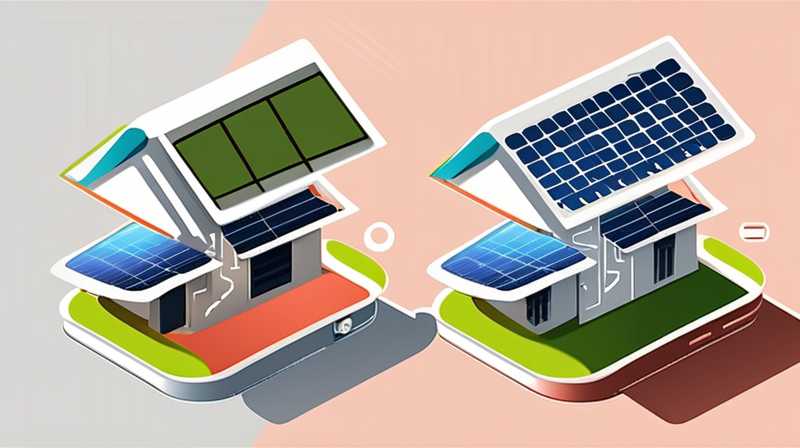
Switching solar photovoltaic power generation involves several key steps: 1. Assessing energy needs, 2. Selecting appropriate solar technology, 3. Installing solar panels, 4. Connecting to the grid. Each of these components plays a significant role in successfully transitioning to solar energy. Notably, assessing energy needs entails evaluating current consumption and growth forecasts to determine the right solar system size. A proper understanding of one’s energy requirements sets the foundation for selecting the most appropriate solar technology and ensures an efficient installation process.
1. UNDERSTANDING SOLAR PHOTOVOLTAIC SYSTEMS
Solar photovoltaic (PV) technology harnesses sunlight to generate electricity. A solar PV system consists of solar panels made up of numerous solar cells. These cells convert sunlight directly into electricity through the photovoltaic effect. The fundamental principle revolves around the interaction between photons from sunlight and semiconductor materials, predominantly silicon. When the photons strike the solar cells, they dislodge electrons, creating an electric current. Additionally, various components, such as inverters and mounting systems, are essential to enhance the functionality and efficiency of PV systems.
The versatility of solar PV technology caters to various applications, including residential, commercial, and industrial setups. For residential users, small-scale rooftop solar installations provide a practical solution for energy generation. On the other hand, larger commercial projects could involve ground-mounted installations optimized for utility-scale operations. Moreover, innovations in solar technology, such as bifacial panels and integrated solar roofs, have emerged to maximize energy capture and improve aesthetics for residential properties.
2. ASSESSING ENERGY NEEDS
A comprehensive understanding of energy requirements forms the basis of transitioning to solar power. This phase involves analyzing current energy consumption patterns, peak usage times, and load profiles. Potential solar PV users should gather information on their monthly electricity bills to identify energy trends and ascertain the total kilowatt-hour (kWh) consumption. Once data is collected, it becomes easier to project future energy needs based on lifestyle changes, such as the addition of electric vehicles or new appliances.
After establishing baseline consumption, it is crucial to consider energy efficiency measures that can reduce the overall demand for electricity. Investments in energy-saving appliances, LED lighting, and home insulation can significantly lower energy needs. Doing so will not only result in considerable savings on electricity bills even before installing a PV system but also lead to a more sustainable and efficient energy profile. Ultimately, understanding energy needs is vital for selecting the appropriate size and type of solar PV system.
3. SELECTING APPROPRIATE SOLAR TECHNOLOGY
Choosing the right solar technology involves evaluating various factors, including efficiency, cost, and installation requirements. There are several options available:
- Monocrystalline Solar Panels: Renowned for their high efficiency and sleek aesthetics, these panels are manufactured from single-crystal silicon. They tend to perform better in low-light conditions and occupy less roof space, making them an excellent option for homeowners with limited roof area.
- Polycrystalline Solar Panels: Constructed from multiple silicon crystals, polycrystalline panels offer a more affordable alternative to monocrystalline options. Although slightly less efficient, they remain a popular choice in various solar installations.
-
Thin-Film Solar Panels: Lightweight and flexible, these panels are manufactured by depositing thin layers of photovoltaic materials on substrates. They are particularly suitable for unique installations, such as building-integrated photovoltaics (BIPV). However, they typically display lower efficiency compared to crystalline silicon panels.
When selecting the optimal technology, users should also factor in local climatic conditions, available incentives, the available rooftop or ground space, and long-term energy goals. Furthermore, the evolving landscape of solar technology often provides opportunities for innovative solutions, thereby enabling more sustainable energy generation methodologies.
4. INSTALLING SOLAR PANELS
The installation of solar panels is a critical component of making the switch to solar photovoltaic power generation. It begins with site evaluation, where a professional installer assesses the roof or ground location intended for the solar system. Conditions such as roof orientation, angle, and shading from trees or buildings significantly influence the energy production of the installed panels. Additionally, considering the structural integrity of the roof is crucial to ensure it can support the weight of the solar panels.
Once the site evaluation is complete, the installation process commences. This involves mounting systems, connecting electrical components, and ensuring compliance with local building codes and regulations. Mounting structures can vary, with options such as fixed racks, adjustable mounts, and tracking systems. The latter can enhance energy production by following the sun’s trajectory throughout the day. After the mechanical setup, the connection of the electrical components, including the inverter, charge controller, and battery storage (if applicable), culminates in a functional solar power system.
5. CONNECTING TO THE GRID
Integrating the solar PV system with the electrical grid is essential for maximizing energy efficiency and ensuring energy availability when solar generation is low. Grid-tied systems allow users to draw power from the grid when solar energy production is inadequate, while excess energy produced during sunny periods can be fed back into the grid. This results in potential financial benefits through net metering programs, where users receive credits for their surplus energy contributions.
Engaging with local utility companies about interconnection standards and regulations is vital. Each utility has specific requirements for connecting solar systems to the grid, and compliance is necessary to avoid complications. Moreover, installing a monitoring system, which enables users to track energy production and consumption, provides insight into system performance and overall energy savings.
6. INCENTIVES AND FINANCING OPTIONS
Many individuals and businesses express concern regarding the upfront costs of transitioning to solar energy. Fortunately, several financial incentives and financing options are available at local, state, and federal levels. Tax credits, rebates, and grants substantially reduce overall installation expenses:
- Federal Investment Tax Credit (ITC): This program allows solar system owners to deduct a significant percentage from their federal taxes for purchasing and installing solar energy systems. The credit is a valuable tool for reducing the final cost of solar installations.
-
State Mandated Incentives: Additional incentives vary by state and may include property tax exemptions, sales tax exemptions, and performance-based incentives. Researching applicable state programs may result in unexpected savings during the installation process.
Moreover, financing options such as solar loans, leases, and Power Purchase Agreements (PPAs) can also help individuals and businesses afford solar systems without incurring a substantial initial expenditure. In solar leases and PPAs, users pay for the electricity generated by the solar system rather than for the system itself, thereby alleviating the burden of upfront costs.
7. MAINTAINING OPTIMAL PERFORMANCE
Post-installation, maintaining the solar PV system is crucial in ensuring long-lasting performance and efficiency. Regular maintenance checks promote consistent energy production and prolong the system’s lifespan. Common maintenance activities include inspecting the physical condition of the solar panels, cleaning the surfaces to remove dust or debris, and monitoring electrical connections for wear or damage.
A notable aspect often overlooked is the monitoring of system performance. Implementing monitoring solutions allows users to track energy generation and identify any drop in performance. Being proactive in addressing underperformance ensures optimal energy generation and helps detect issues early, which could avoid costly repairs later.
Additionally, seeking professional maintenance services periodically can mitigate potential problems caused by environmental influences such as severe weather or debris accumulation. With diligent maintenance, a solar PV system can provide abundant clean energy for years to come.
8. ENVIRONMENTAL AND ECONOMIC IMPACT
Transitioning to solar photovoltaic energy yields substantial benefits to both the environment and local economies. Solar power reduces reliance on fossil fuels, thereby lowering greenhouse gas emissions and combating climate change. By generating clean, renewable energy, solar installations contribute to improved air quality and environmental sustainability.
On the economic front, the growth of the solar industry has led to job creation in various sectors, including manufacturing, installation, and maintenance. Furthermore, the increased adoption of solar energy often improves energy independence for individuals and communities, reducing vulnerability to fluctuating energy prices. This transformation can stimulate local economies by potentially lowering electricity costs for residents and creating a more stable energy market.
The community benefits associated with embracing solar power extend beyond direct financial savings. Moving towards sustainable energy broadens environmental awareness among consumers, promoting energy conservation and encouraging others to consider renewable energy solutions.
9. LEGAL AND REGULATORY CONSIDERATIONS
One significant aspect often overlooked is the legal and regulatory environment governing solar energy systems. Different jurisdictions impose varying codes and regulations related to installation, permitting, and interconnection standards. Understanding local laws ensures compliance and a smoother installation process.
Engaging with local authorities and utility providers early in the planning process can facilitate a more straightforward transition to solar energy. Being informed about necessary permits and licenses can prevent delays that might arise from regulatory hurdles. Additionally, homeowners’ associations may have rules regarding solar panel visibility or aesthetics. Thoroughly reviewing these guidelines before installation helps avoid future disputes.
Navigating the legal landscape can be complicated, particularly for larger commercial projects. Partnering with experienced solar installers who are knowledgeable about local regulations can streamline compliance and provide critical insights into best practices.
10. FUTURE TRENDS IN SOLAR PHOTOVOLTAIC ENERGY
The solar photovoltaic landscape continues to evolve swiftly, driven by technological advancements and changing consumer preferences. Several key trends are emerging within the solar industry that are pertinent to those considering the transition to solar power.
- Energy Storage Integration: The integration of battery storage systems alongside solar installations enables users to store excess energy generated during the day. This energy can then supply power during peak demand hours or in instances where sunlight is not available, enhancing energy resilience.
-
Smart Solar Solutions: The incorporation of smart technology into solar systems has gained traction. Smart inverters, monitoring systems, and energy management platforms allow users to optimize their energy consumption and production patterns seamlessly. This adaptability enhances overall energy efficiency and user engagement.
By remaining informed about emerging trends in solar energy, individuals and businesses can make proactive decisions that align with their long-term energy goals and sustainability objectives.
COMMONLY ASKED QUESTIONS
WHAT ARE THE COSTS ASSOCIATED WITH INSTALLING SOLAR PANELS?
The installation costs for solar panels can vary depending on several factors such as system size, technology type, and installation complexity. On average, residential solar panel systems in the United States can range from $15,000 to $30,000 before any tax credits or incentives. Aspects like roof condition and orientation, local labor rates, and permit requirements also contribute to the overall expenses of solar energy systems. Furthermore, the type of photovoltaic technology significantly influences the cost. For example, monocrystalline panels tend to be pricier due to their higher efficiency and advanced manufacturing processes. Ideally, individuals should obtain multiple quotes from experienced installers to evaluate pricing and uncover available financing options or incentives that can significantly reduce upfront costs. Integrating financial incentives into the overall calculation ensures that the true cost of the solar system aligns with the user’s budgetary constraints while maximizing energy production over time.
HOW LONG DOES IT TAKE TO INSTALL A SOLAR PV SYSTEM?
The timeline for installing a solar PV system can vary based on factors such as system size, permitting processes, and installation complexity. Generally speaking, most residential installations take between one to three days for the actual installation. This period entails physical mounting and electrical connections, alongside any additional work associated with battery storage or hybrid systems. However, the entire process—including consultation, design, engineering, securing permits, and interconnection—may extend over several weeks or even months. Homeowners should prepare for potential delays influenced by local permitting regulations and utility interconnection procedures, which often require coordination with multiple stakeholders. Engaging experienced local solar installers can expedite the process, ensuring that necessary permits are secured in advance and installation timelines remain efficient without compromising quality.
WHAT MAINTENANCE IS REQUIRED FOR SOLAR PANELS?
While solar panels generally require minimal maintenance, ensuring optimal performance involves occasional inspections and cleanings. Users should conduct routine checks to look for any signs of physical damage, such as cracks or loose connections. Additionally, cleaning the panel surfaces to remove dirt, dust, and debris can enhance energy production. Depending on the installation’s location, the required frequency of cleaning may vary; areas with frequent rainfall may require less frequent cleaning compared to arid locations prone to dust accumulation. Users can employ professional maintenance services for more complex tasks or to perform thorough assessments at regular intervals. Monitoring system performance through software tools is an effective method for identifying energy production trends and anomalies, prompting timely interventions when needed. By prioritizing maintenance, users can optimize the longevity and operational efficiency of their solar PV systems while ensuring reliable access to renewable energy for years to come.
Transitioning to solar photovoltaic power generation is a significant commitment that incorporates various elements, from understanding energy needs to selecting the right technology and ensuring proper installation. The complexities of this venture often lead to inquiries about both immediate and long-term impacts. Individuals contemplating this move should carefully assess economical incentives, installation processes, and sustainability benefits. The cumulative advantages afforded by solar energy include not only environmental sustainability and reduced energy costs but also a contribution to wider economic growth through job creation within the renewable sector. As awareness of the climate crisis grows, the urgency to adopt cleaner energy sources intensifies. Therefore, investing in solar not only promotes personal cost savings and energy independence but also fosters a collaborative ethos committed to a sustainable future for generations to come. Embracing solar power is undoubtedly a forward-thinking decision, aligning personal energy practices with a broader environmental responsibility that enhances both individual well-being and planetary health.
Original article by NenPower, If reposted, please credit the source: https://nenpower.com/blog/how-to-switch-solar-photovoltaic-power-generation/

