How to Size a Residential Energy Storage System for Your Home
1. Begin with a thorough assessment of energy consumption patterns. Understanding your household’s energy needs is paramount, as it directly influences the type and size of the battery system required. 2. Assess available renewable energy resources. Investigate any solar or wind installations that might supplement energy storage. 3. Consider peak load requirements. Identifying times of day when energy demand is highest informs better system sizing. 4. Evaluate potential for future expansion. If considering adding more renewable energy sources later, ensure that the system allows for such modifications.
To delve deeper into the intricate process of sizing a residential energy storage system, let us explore various aspects:
1. UNDERSTANDING YOUR ENERGY NEEDS
Before determining the appropriate size for an energy storage system, a comprehensive assessment of energy needs is essential. This begins with examining monthly or yearly utility bills to track consumption patterns, which typically reflect your household’s energy usage. Understanding how much electricity you consume on a daily basis offers a clear foundation for sizing. Households tend to have peak usage times—morning hours when everyone is preparing for their day and nighttime when appliances are in full use.
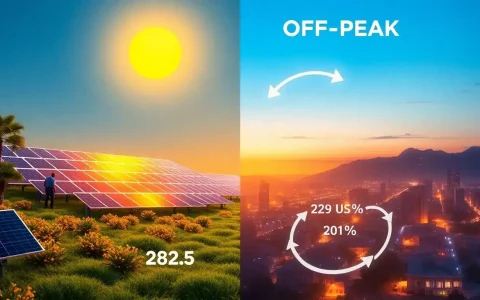
Different appliances have varied energy requirements. For instance, while a refrigerator may consume 200-800 watts during operation, an HVAC system can use several thousand during peak times. Consequently, it is important to identify which appliances are the most energy-hungry and schedule usage during off-peak hours when possible. By addressing these aspects, homeowners can create an energy profile that accurately reflects their consumption habits.
Another aspect that complements understanding energy needs is recognizing seasonal variations in usage. Weather fluctuations often affect heating and cooling needs significantly. Detailed scrutiny of these patterns can lead to smarter choices. For example, during summers with heavy air conditioning use, a larger storage solution may be warranted compared to months with minimal energy demand.
2. ASSESSING RENEWABLE ENERGY SOURCES
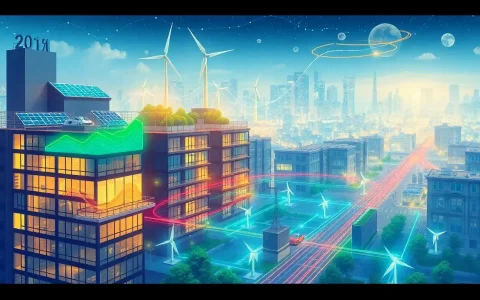
For many homeowners investing in energy storage systems, renewable energy resources play a significant role. Efficient pairing of energy storage with systems like solar panels can enhance energy independence and sustainability. Initially, it’s important to evaluate how much energy these sources can generate throughout the year, which will considerably influence the sizing of the storage system.
Solar energy, in particular, provides a unique advantage. When sizing an energy storage system, calculations must be grounded in the local solar generation potential, which can vary greatly based on geographic location and seasonality. Areas with abundant sunshine will allow for more energy capture and use than those with less sunlight. By examining solar output performance through historical data or using solar calculators available online, homeowners can gauge how much solar energy might supplement what could come from the grid.
In the context of wind energy, similarly, homeowners should be aware of local wind patterns. If a small wind turbine is being considered along with solar panels, the combined output should be calculated. Properly assessing all renewable energy sources enables homeowners to choose the right model of storage that accommodates both current and projected energy needs effectively.
3. EVALUATING PEAK LOAD REQUIREMENTS
Understanding peak load is critical for determining the capacity of an energy storage system. Peak load refers to the highest amount of electricity that a home uses at any one point in time. Failing to accommodate this level of demand results in insufficient power during crucial moments.
To accurately evaluate peak load, conduct an audit of your electrical appliances and systems. It is pertinent to list those that will be used simultaneously. For example, running the air conditioner while using the washing machine and electric oven can push energy consumption beyond standard thresholds. Such scenarios highlight the importance of sizing an energy storage system adequately to manage peak loads.
To calculate peak loads, one could also consult with energy experts who can provide software tools to simulate household energy consumption based on various scenarios. This proactive approach enables tailored adjustments to meet anticipated demands, creating a more robust and reliable energy storage system that aligns with actual usage patterns.
4. CONSIDERING POTENTIAL FOR FUTURE EXPANSION
When sizing a residential energy storage system, it is wise to think long-term about energy needs. As technology evolves, creating pathways for expanding energy systems becomes essential. For example, if you plan on adding more solar panels in the future, it’s prudent to ensure that your energy storage system can scale accordingly.
Future expansions could also include additional electric vehicle charging stations or smart-home technologies, which consume more electricity than conventional systems. Those interested in electric vehicles may require dedicated charging during peak hours, fundamentally changing how energy is used. Therefore, sizing a storage system must account for anticipated increased consumption that future installations will inevitably create.
Incorporating flexibility into the energy storage design enables homeowners to adapt their systems as energy requirements change. Whether through integrating new renewable energy sources or adapting to lifestyle alterations, having a robust infrastructure ensures that households remain efficient and beneficial in their energy usage.
5. CHOOSING THE RIGHT STORAGE TECHNOLOGY
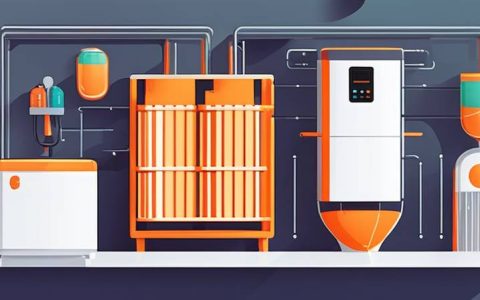
Once energy needs, renewable sources, peak loads, and future expansions are assessed, it’s time to select the technology for energy storage. There are several storage technologies available on the market, but the most common include lithium-ion, lead-acid, and flow batteries, each having unique attributes, advantages, and disadvantages.
Lithium-ion batteries, for instance, are often favored for their high energy density and longer lifespan. However, their initial investment can be substantially higher than traditional lead-acid batteries. On the other hand, lead-acid batteries are a more affordable choice upfront but may require more frequent replacement and maintenance. Flow batteries, although comparatively newer in residential applications, provide advantages such as scalability and longevity, making them a burgeoning viable option.
Therefore, energy storage technology choices must align with specific household energy requirements, budget availability, and long-term sustainability goals. Researching different options and consulting with energy storage experts may yield useful insights and guide decision-making.
FREQUENTLY ASKED QUESTIONS
WHAT IS A RESIDENTIAL ENERGY STORAGE SYSTEM?
A residential energy storage system refers to a setup that captures electricity from renewable energy sources, such as solar or wind, and stores it for later use. These systems provide homeowners with the ability to store excess energy generated during peak generation periods, allowing them to utilize that energy during higher demand periods or during grid outages. Most commonly, these systems utilize batteries to retain energy, ensuring households have a reliable power source when needed.
HOW LONG DO ENERGY STORAGE SYSTEMS LAST?
Energy storage systems exhibit varying lifespans based on technology, usage patterns, and maintenance protocols. Lithium-ion batteries typically last anywhere between 10 to 15 years depending on usage. Other types, like lead-acid batteries, may require replacement every 5 to 10 years. Those implementing rigorous maintenance and monitoring routines often extend the lifecycle of their systems. It is also crucial to consider that warranties provided by manufacturers often cover energy storage units for a certain number of charge cycles or years, which plays a significant role in the overall lifespan.
HOW DOES AN ENERGY STORAGE SYSTEM INTERACT WITH THE GRID?
Energy storage systems can operate autonomously or cooperate with the grid. When connected, these systems often utilize net metering, allowing users to return excess power generated back to the grid in exchange for credits. During high energy demand periods, homeowners can draw from the storage system instead of relying on grid power, saving costs. Moreover, during outages, a well-sized energy storage system can provide a reliable backup, maintaining essential energy needs when the grid is unavailable.
SIZING A RESIDENTIAL ENERGY STORAGE SYSTEM REQUIRES A MULTIFACETED APPROACH. Assessing energy consumption, renewable energy sources, peak loads, potential expansions, and the technology used forms the foundation of informed decision-making. Balancing these variables ensures not only that personal energy needs are met but also supports sustainability efforts. Ignoring any component could lead to oversizing, undersizing, or misalignment with intended energy goals. Thus, engaging with professionals for audits and utilizing tools to analyze scenarios ultimately promotes a successful and efficient energy storage installation. As residential energy storage gains traction, prioritizing strategic planning will empower consumers in making wise investments that yield lasting benefits. By acting both thoughtfully and proactively, homeowners can embrace energy independence, minimize reliance on conventional grids, and contribute positively to residential sustainability initiatives. The road to a well-sized energy storage system promises to be essential in achieving energy self-sufficiency while preparing for future needs.
Original article by NenPower, If reposted, please credit the source: https://nenpower.com/blog/how-to-size-a-residential-energy-storage-system-for-your-home/