

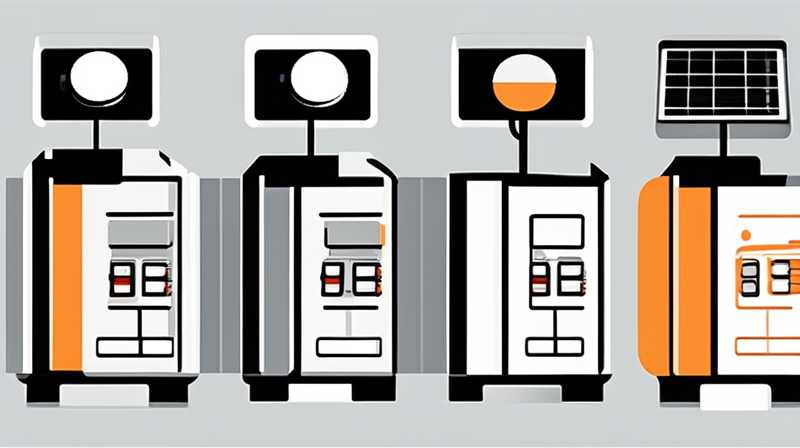
To establish a solar automatic controller, it is essential to follow several critical steps. 1. Understanding your solar system components is vital. This includes identifying the solar panels, batteries, and the charge controller itself, which works to manage the energy flow. 2. Selecting the appropriate controller type is crucial. There are PWM (Pulse Width Modulation) and MPPT (Maximum Power Point Tracking) controllers, each serving different system sizes and requirements. 3. Installation requires careful placement. Ensure that the controller is located in a cool, dry environment away from direct sunlight and moisture. 4. Configuring the settings for optimal performance is essential. This involves programming the controller according to battery specifications and the energy-generating capacity of the solar panels. Proper setup ensures efficiency and longevity of the solar system, allowing for better energy management and reliability over time.
UNDERSTANDING SOLAR SYSTEM COMPONENTS
When delving into solar automatic controllers, a comprehensive understanding of the involved components is imperative. At the heart of a solar energy system resides solar panels, which harness sunlight and convert it into electricity. This generation is dependent on various factors such as direction, angle, and time of year. In combination, batteries serve as an energy storage solution, holding the electricity produced for use when the solar panels are inactive, such as during the night or overcast days. Balancing these components effectively shapes the overall performance of the solar energy system.
To integrate these components seamlessly, the charge controller plays a pivotal role. It regulates the voltage and current coming from the solar panels to ensure that batteries are charged appropriately without causing damage. The controller prevents overcharging, which can significantly shorten battery lifespans, and avoids deep discharging, which can lead to battery failure. Understanding the interactions between these parts lays the groundwork for establishing a robust solar energy system.
CHOOSING THE RIGHT CONTROLLER TYPE
Selecting an appropriate charge controller is fundamental for maximizing solar energy efficiency. There are primarily two types of controllers: PWM (Pulse Width Modulation) and MPPT (Maximum Power Point Tracking). PWM controllers are more affordable and suitable for smaller systems, as they maintain the battery state by gradually reducing voltage once the battery reaches its full capacity. They essentially function by dissipating excess energy as heat, resulting in lower efficiency when dealing with larger solar setups or varying sunlight conditions.
Conversely, MPPT controllers are increasingly popular in larger configurations due to their ability to optimize energy capture. These controllers track the maximum power point of the solar panels throughout the day, adjusting their input voltage to utilize the maximum available energy efficiently. Though more expensive, MPPT devices result in significant energy savings and faster battery charging, making them a worthy investment for extensive solar systems. When contemplating which controller to implement, one must weigh the respective advantages and costs in relation to their specific energy requirements.
INSTALLATION AND PLACEMENT
Strategic placement of the solar automatic controller contributes substantially to its effectiveness. A well-ventilated, dry environment that is free from moisture and direct rays from the sun is essential for optimal functioning. Elevated installations on walls or separate mounts can prevent water accumulation and excessive heat, which could impair performance over time.
Moreover, the physical positioning of the controller should facilitate easy access for setup adjustments and maintenance checks. Keeping wiring organized and employing concise labeling can enhance accessibility and usability during eventual troubleshooting. The installation process entails connecting the controller to the solar panels and batteries according to manufacturer specifications. Each connection must be tightly secured to prevent any power loss or risk of short circuits, ultimately ensuring a stable power environment.
CONFIGURING SETTINGS FOR OPTIMAL PERFORMANCE
Configuring settings on the solar automatic controller is crucial for maintaining optimal energy efficiency. Accurate programming based on the type and capacity of batteries in use, along with the solar panel specifications, provides the foundation for effective energy management. Controllers often provide various charging profiles tailored to specific battery chemistries, such as lead-acid, lithium-ion, or gel batteries.
Beyond initial configuration, regular monitoring and adjustment are essential to keep the system running smoothly. Environmental changes or modifications to the solar panel setup may necessitate reevaluating settings to maintain efficiency. Adopting these proactive measures allows for enhanced adaptability in managing solar energy and ensures that users receive maximum benefits from their investment in solar technology.
FREQUENTLY ASKED QUESTIONS
WHAT IS A SOLAR AUTOMATIC CONTROLLER?
A solar automatic controller is an essential component of a solar power system, regulating voltage and current to batteries from solar panels. It prevents overcharging and deep discharging, thereby extending battery life. Controllers significantly enhance energy efficiency by managing the flow of electricity, ensuring that the energy harvested effectively meets the demand and goes toward charging the storage systems. There are different types of controllers available in the market, including PWM and MPPT, each suited for varied applications depending on system size and energy needs. PNMPPT controllers, for instance, are efficient for larger systems and can maximize energy capture under varying conditions. Proper installation and configuration of these devices are crucial in leveraging their full potential.
HOW DO I DECIDE BETWEEN PWM AND MPPT CONTROLLERS?
Choosing between PWM and MPPT controllers largely depends on the scale of your renewable energy system and budgetary considerations. PWM controllers are best suited for small-scale applications where cost savings are a priority, making them feasible for modest energy needs and smaller solar setups. They are straightforward in operation, effectively preventing battery overcharge but less capable of handling complex energy scenarios.
In contrast, MPPT controllers, while initially more expensive, offer significant efficiency gains in larger installations. Their ability to track maximum power points and optimize energy harvesting pays dividends in the long run through improved charging rates and overall performance, particularly in less-than-ideal sunlight conditions. Thus, prospective buyers should assess their unique energy demands and willingness to invest for optimal long-term returns before making a decision.
HOW OFTEN SHOULD I MAINTAIN MY SOLAR AUTOMATIC CONTROLLER?
Maintenance of solar automatic controllers is vital for the longevity and efficient operation of the entire solar system. Regular checks should include inspecting the controller’s physical condition and performance metrics, ensuring that all connections are tight and free from corrosion. Periodic visual assessments can help identify any wear and tear, while software updates may be necessary for smart controllers that have the feature to adapt to changing usage patterns or enhance efficiency.
Additionally, monitoring battery health is closely tied to the performance of the solar automatic controller. Regularly testing battery voltage and ensuring they are functioning properly prolongs the lifespan of not just the batteries but also the associated controller. Adopting a proactive approach to maintenance can prevent small issues from escalating, thus leading to a more reliable and efficient energy production experience.
To effectively establish a solar automatic controller, an in-depth understanding of the components, types of controllers, optimal placement, and configuration settings are imperative for achieving superior energy management. Comprehensive knowledge of the pivotal role that each component plays ensures a cohesive operation, one that maximizes the return on investment and enhances system longevity. Furthermore, selecting the correct controller type aligns with the specific needs of your solar setup, allowing for tailored energy solutions that adhere to your consumption patterns. At the same time, meticulous installation and maintenance practices are vital in ensuring that the system continues to perform at peak efficiency, mitigating potential issues that could detract from overall functionality. Thus, navigating this process with care and expertise ultimately leads to a reliable, efficient solar energy system that stands the test of time.
Original article by NenPower, If reposted, please credit the source: https://nenpower.com/blog/how-to-set-up-the-solar-automatic-controller/

