1. The process of setting the time for solar temperature control involves understanding the system’s components and configurations, managing the thermostat settings efficiently, and routinely checking and adjusting schedules for optimal performance, 2. Involves learning to access and modify system programming, enabling precise temperature regulation based on daily and seasonal variations, 3. Requires periodic monitoring of energy consumption and potential adjustments for enhanced efficiency, 4. Involves awareness of external factors such as weather patterns and solar radiation impacting temperature settings.
Solar temperature regulation systems empower homeowners to optimize energy usage by controlling indoor climate based on solar gains. A crucial initial step is understanding how to program these systems effectively. Most modern solar thermal management solutions come with programmable thermostats that allow users to set specific heating or cooling times according to their personal schedules. Investing time in learning to navigate these thermostats will yield long-term benefits in energy efficiency and comfort.
Moreover, it is vital to regularly check the configurations to ensure that the system adapts to any changes in the household routine or personal preferences. System settings may need to be adjusted depending on the time of year, weather changes, or alterations in occupancy patterns. Thus, maintaining a proactive approach to managing the solar temperature controller will facilitate better energy conservation and ensure that the environment remains comfortable year-round.
1. UNDERSTANDING SOLAR TEMPERATURE CONTROL SYSTEMS
Solar temperature control systems utilize renewable energy to manage heating or cooling within a space. Recognizing the components of these systems, including the solar collectors, storage tanks, and thermal controllers, is vital for effective management. Each component plays a specific role in harnessing and distributing solar energy, enabling users to create comfortable environments while minimizing traditional energy consumption.
The solar collectors capture sunlight and convert it into thermal energy, which is then either stored for later use or directly utilized. Storage tanks retain heat for when solar input is low, ensuring a continuous supply of warmth. Finally, thermal controllers, including advanced programmable thermostats, regulate the distribution of energy within the space. Understanding the interaction of these components allows homeowners to fine-tune their settings and maximize the system’s efficiency.
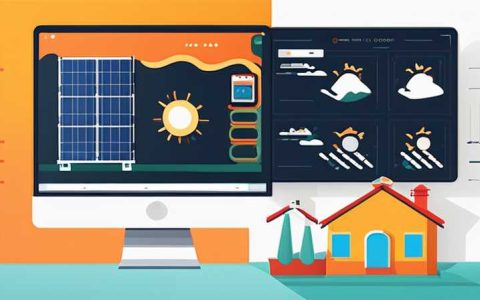
In addition to hardware, it is important to familiarize oneself with the various software features available. Many modern systems offer smartphone applications or web-based dashboards that grant remote access to temperature settings and scheduling features. This technology enables homeowners to manage their energy consumption more effectively, especially when they can change settings while away from home.
2. CONFIGURING THE THERMOSTAT FOR OPTIMAL PERFORMANCE
The heart of solar temperature control lies within the thermostat. Learning to configure this device correctly is essential for ensuring energy efficiency. Most programmable thermostats have features that allow you to set different heating or cooling profiles for weekdays compared to weekends. These options accommodate varying occupancy patterns in a household, reducing energy waste when no one is home.
Creating personalized schedules involves determining the times of day when heating or cooling is most necessary. For example, if residents generally wake up at 7 AM, setting the system to start warming the space at 6:30 AM ensures comfort without unnecessary energy expenditure. Additionally, when families are frequently out during the day, lowering the heating or cooling settings during these hours can significantly conserve energy.
The ability to sync these schedules with external factors such as changes in the weather can yield significant benefits. Some advanced thermostats can automatically access weather data, adjusting indoor temperatures in anticipation of heat waves or cold snaps. Moreover, integrating smart technology with solar systems opens new avenues for automation, allowing them to collaborate seamlessly.
3. MONITORING ENERGY CONSUMPTION
After setting up a solar temperature control system, the next phase is monitoring energy consumption. Constantly analyzing energy use helps identify areas for improvement and allows homeowners to adjust their habits accordingly. Many modern systems offer insights into energy use patterns, highlighting times of peak consumption and potential savings.
A practical method to start monitoring energy consumption is through the installation of sub-meters. These devices measure specific loads, enabling homeowners to focus on understanding which components utilize the most energy. Understanding these mechanics allows for more informed choices in how to tweak the system’s settings for both immediate comfort and long-term savings.
Additionally, conducting seasonal checks can expose hidden inefficiencies. For example, if solar collectors have debris blockages, they cannot function efficiently, resulting in higher energy usage. Hence, regular maintenance ensures that the system performs as it should. It is often wise to conduct a full system evaluation at least twice yearly, aligning with changing seasons for optimal performance. These evaluations help detect underlying issues, maximize efficiency, and ultimately contribute to lower energy bills.
4. ADAPTING TO ENVIRONMENTAL FACTORS
To maintain optimal solar temperature control, it is imperative to acknowledge and adapt to the influence of external factors. Weather conditions directly affect both the availability of solar energy and internal temperature requirements. During particularly sunny months, users can rely more on solar energy, whereas cloudy periods necessitate adjustments and greater reliance on auxiliary heating systems, if applicable.
A practical approach to adapting to changing environmental conditions is employing weather-responsive controls. These systems can dynamically adapt indoor climate settings based on real-time weather forecasts, maximizing energy efficiency. For instance, if rain clouds are predicted, the systems can prepare by reducing internal temperatures ahead of time, thereby conserving energy and maintaining comfort.
Moreover, it is essential to consider the geographical location and its specific climatic patterns. Houses in hotter climates may require different settings compared to those in temperate areas. For example, in regions where cool nights follow warm days, homeowners can set their thermostats to pre-emptively cool the home in the early morning hours while utilizing the solar energy collected during the day.
FREQUENTLY ASKED QUESTIONS
HOW DOES A SOLAR TEMPERATURE CONTROL SYSTEM WORK?
A solar temperature control system leverages solar energy to regulate indoor heating or cooling. Solar collectors, typically mounted on roofs, capture sunlight and convert it into thermal energy. This energy heats water or air, which is then circulated through the home. Within the setup, various sensors and controllers work harmoniously to maintain desired temperatures based on programmed schedules or real-time adjustments. Users can optimize settings via programmable thermostats, ensuring efficient energy use while maintaining comfort levels throughout the day and night.
WHAT FACTORS SHOULD I CONSIDER WHEN SETTING UP MY SYSTEM?
Several factors need consideration when setting up a solar temperature control system. First, the orientation and angle of solar collectors significantly influence energy capture; optimal placement ensures maximum sunlight exposure throughout the day. Next, the insulation quality of the home affects how well retained heat can be utilized, emphasizing the need for adequate insulation to supplement the solar energy system. Lastly, homeowners must consider their personal schedules and preferences for temperature; customizing the system around individual lifestyles ensures comfort without significant energy waste.
HOW OFTEN SHOULD I MAINTAIN MY SOLAR TEMPERATURE CONTROL SYSTEM?
Routine maintenance is essential in ensuring the longevity and efficiency of a solar temperature control system. An ideal maintenance schedule includes bi-annual inspections, occurring at the beginning and end of the heating or cooling seasons. During these evaluations, homeowners should clean solar collectors of any debris, check for leaks in piping, and ensure fluid levels in the system are adequate. This schedule allows users to catch potential issues early and maintain system efficiency while ensuring optimal performance throughout the year.
Achieving effective solar temperature control requires a multifaceted approach that incorporates understanding system components, efficiently configuring thermostats, monitoring energy consumption, and adapting to external environmental factors. Recognizing the integral parts of solar temperature systems provides the foundation for successful management. Configuring the thermostat for seamless scheduling not only enhances comfort but also conserves energy. Continuous tracking of energy use reveals consumption trends vital for identifying opportunities for optimization. Furthermore, adjusting settings according to environmental conditions guarantees that the system works harmoniously with nature, efficiently regulating indoor climates while maximizing solar energy usage. Keeping up with regular maintenance ensures that the system remains in peak condition, ready to respond to both expected and unexpected changes that may arise over time. This holistic understanding allows users to harness the full potential of solar temperature control, transforming their living spaces into energy-efficient environments that prioritize sustainability without sacrificing comfort.
Original article by NenPower, If reposted, please credit the source: https://nenpower.com/blog/how-to-set-the-time-for-solar-temperature-control/