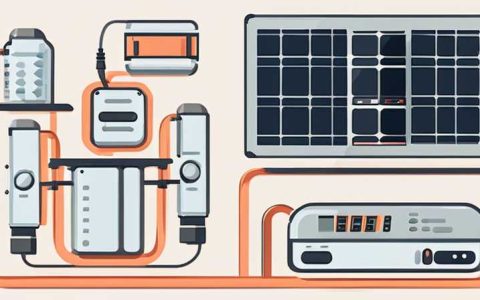
1. Flat-plate solar energy replacement methods include several viable strategies: 1) Utilizing alternative materials for enhanced efficiency; 2) Implementing innovative designs to optimize light capture; 3) Introducing advanced tracking systems for greater sun exposure; 4) Exploring hybrid systems that combine solar with other renewable sources. Focusing on alternative materials can significantly improve thermal performance and energy output. For instance, substituting traditional glass with high-performance polymers or advanced coatings can not only enhance durability but also improve heat absorption. Delving into the practicality of lifestyles involving solar energy is essential for ensuring broad community acceptance and understanding of alternative energy solutions.
1. UNDERSTANDING FLAT-PLATE SOLAR COLLECTORS
Flat-plate solar collectors play a pivotal role in harnessing solar energy for heating water and other applications. Traditionally, these units comprise a flat, glazed surface that absorbs solar radiation, converting it into heat energy. The essential components include an absorbing plate, insulation, and a transparent cover. While conventional materials have served adequately, the necessity for innovation is becoming increasingly apparent amidst rising efficiency demands and sustainability concerns. Within this context, exploring alternative materials and designs becomes crucial for enhancing the collectors’ performance.
As technology progresses, the significance of adopting novel materials cannot be overstated. Emerging materials such as thermochromic or photonic crystals can potentially replace the traditional components in flat-plate systems, offering improved energy absorption and heat retention. The pursuit of an optimal material emphasizes the importance of lightweight construction coupled with durable performance. Consequently, the evolution towards these advanced materials signifies a critical step in enhancing the long-term sustainability of solar energy systems.
2. INNOVATIVE DESIGN CONCEPTS
Enhancements in the design of flat-plate solar collectors can exponentially increase their efficiency. Innovative designs, such as integrating multiple slopes or utilizing a curved surface, can facilitate more effective light capture throughout the day. Additionally, the tweaking of dimensions, angles, and layering techniques can contribute significantly to output levels. Recognizing the angle of incidence in relation to solar positioning is crucial, as it influences the overall heat absorption of the system.
Incorporating a multi-layer design not only allows for improved thermal efficiency but also supports the adaptation to environmental conditions. These layers can mediate temperatures effectively, enabling the collectors to perform optimally, regardless of ambient conditions. The aesthetic aspect of design should also not be overlooked; modern consumers often favor energy solutions that are seamlessly integrated into their environment. Thus, striking a balance between functional and appealing designs is essential in shifting toward more efficient flats-plate collectors.
3. OPTIMIZATION THROUGH TRACKING SYSTEMS
The introduction of tracking systems in flat-plate solar collectors marks a significant advancement in energy capture methods. These mechanisms allow for the collectors to follow the sun’s path throughout the day, thereby maximizing exposure. There are generally two types: single-axis and dual-axis tracking systems. Single-axis trackers rotate along one axis, while dual-axis trackers provide greater flexibility by adjusting along two axes, thus allowing for optimal solar capture.
The implementation of tracking systems requires a balance between complexity and efficiency. Although they contribute positively to energy gain, the additional components can lead to increased maintenance and potential mechanical failures. An in-depth evaluation of the cost versus benefits must be undertaken to determine the suitability of tracking for various installations. In many instances, the additional energy harvested can outweigh the costs associated with maintenance, enhancing the viability of solar energy solutions.
4. HYBRID SOLAR SYSTEMS
Exploring hybrid solar systems presents another viable option for replacing traditional flat-plate collectors. Combinations that blend solar energy with other renewable sources, such as wind or hydro, can provide a more consistent energy supply. These hybrid models allow for the mitigation of intermittency issues commonly associated with single-source energy systems. Adopting this approach can diversify energy portfolios and enhance system resilience.
Moreover, hybrid systems can facilitate resource sharing, where the excess energy from one source compensates for the limitations of another. For instance, integrating a storage solution can further smooth out the energy flow, ensuring reliability, particularly in areas prone to weather fluctuations. Evaluating the potential for hybridization in solar technology is pivotal for achieving greater energy independence and sustainability.
5. ADVANCEMENTS IN MATERIAL TECHNOLOGY
The exploration of material technology is crucial in advancing flat-plate solar energy efficiency. Coatings specifically designed to enhance absorption or protect against environmental degradation can dramatically influence collector performance. For instance, photonic coatings that reflect specific wavelengths of light can enable the collector to make optimal use of the sun’s broader spectrum.
Materials such as graphene, known for their remarkable conductivity and lightweight nature, can revolutionize solar technology. While still in early stages of research, such advanced materials hold immense potential for improving energy conversion rates. Investing in continued research in material science is essential to unlocking the full capabilities of solar energy.
FREQUENTLY ASKED QUESTIONS
WHAT ARE THE BENEFITS OF REPLACING TRADITIONAL MATERIALS IN FLAT-PLATE SOLAR COLLECTORS?
Replacing conventional materials in flat-plate solar collectors can lead to several substantial enhancements. First and foremost, alternative materials can offer superior thermal efficiency, allowing collectors to capture more sunlight effectively. For example, advanced polymers can be designed to have excellent thermal conductivity while being lightweight, thus decreasing output losses due to transport. Enhanced durability can also be achieved, meaning that collectors could have extended lifespans, reducing the need for replacement and minimizing waste.
Moreover, implementing these newer materials may help in adapting the designs to be less sensitive to environmental factors, such as temperature variations and weather conditions. This resistance can contribute to the overall efficiency of the energy system, thereby reducing long-term operational costs. In essence, investing in alternative materials can not only improve performance but can also promote sustainability in solar technology.
HOW DO TRACKING SYSTEMS ENHANCE SOLAR COLLECTOR EFFICIENCY?
Tracking systems optimally align flat-plate solar collectors with the sun throughout the day, maximizing energy absorption. These systems significantly enhance efficiency by allowing the receptacle surface to maintain a perpendicular orientation to solar rays. By systematically adjusting to the sun’s movement, the amount of sunlight captured can increase substantially compared to static systems, often by as much as 25-50%.
Though the initial investment in installing tracking technology may be higher, the long-term benefits manifest in reduced payback periods and greater energy yields. Moreover, in regions with varied seasonal solar paths, the flexibility offered by tracking systems becomes even more crucial. Over time, the energy saved can greatly offset the initial costs of equipment and installation, making them a worthwhile consideration for many solar projects.
WHAT ROLE DO HYBRID SYSTEMS PLAY IN SOLAR ENERGY PRODUCTION?
Hybrid systems introduce a compelling avenue for improving solar energy production reliability. By integrating solar energy with other renewables, such as wind or biomass, these systems can provide a more consistent energy supply. In regions where solar exposure may be limited during certain seasons, hybridization can enable energy resources to complement one another, thus ensuring a stable output.
In addition, hybrid systems can facilitate advancements in energy storage efficiencies. By combining the accumulated generation of various energy sources, they enhance grid reliability and significantly improve the sustainability profile of energy infrastructure. The diversification of energy sources ultimately leads to a more resilient grid and ensures continuous energy availability, even during fluctuations in one source of generation.
THE IMPORTANCE OF RESEARCH AND DEVELOPMENT IN SOLAR TECHNOLOGIES
The future of solar power hinges on sustained research and development efforts tailored toward enhancing efficiency and application diversity. The culmination of innovative approaches can serve to meet both domestic and industrial energy needs effectively. Engaging with experts in material science, engineering, and design can yield breakthroughs essential for overcoming existing limitations.
Additionally, promoting collaborative efforts between universities, research institutions, and industries can accelerate progress within the solar sector. These partnerships bolster the sharing of knowledge and resources, ultimately facilitating advancements that enhance global energy sustainability. Fostering a culture of continuous innovation ensures that solar technologies can adapt to emerging challenges while contributing to a greener and more sustainable future.
FINAL THOUGHTS ON FUTURE DIRECTIONS FOR SOLAR TECHNOLOGY
Transitioning from traditional flat-plate solar collectors to contemporary alternatives is a vital process that inspires ongoing enhancements in solar technology. This journey involves embracing innovative materials, pioneering design concepts, and incorporating advanced tracking systems. The collective pursuit of greater efficiency and sustainability is paramount in addressing energy challenges and securing a reliable energy future.
By considering hybrid solutions, the potential for diversification in energy portfolios becomes a formidable asset. As these advancements unfold, continuous investment in research and development will remain essential. Elevated attention to integrating these emerging technologies can significantly advance global energy initiatives. Envisioning a future grounded in renewable energy sustains the imperative to build innovative, efficient, and environmentally sustainable systems that harness the sun’s potential to its fullest extent, paving the way towards a cleaner, greener planet.
Original article by NenPower, If reposted, please credit the source: https://nenpower.com/blog/how-to-replace-the-medium-of-flat-plate-solar-energy/