

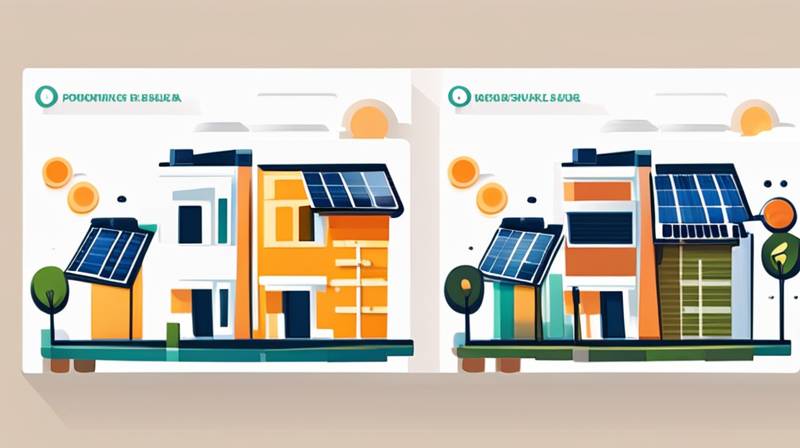
1. Integrating solar PV in city landscapes can significantly enhance sustainability, economic viability, and community resilience. 2. Urban areas face unique challenges when adopting solar technologies, including space limitations and regulatory hurdles. 3. Effective promotion strategies encompass stakeholder engagement, education, and innovative financing mechanisms. 4. Collaboration between government, businesses, and residents plays a crucial role in fostering a solar-friendly environment. In detail, the promotion of solar photovoltaics (PV) in urban settings requires a multi-faceted approach that addresses both technical and social dimensions. Engaging local communities and stakeholders through informative outreach initiatives helps to demystify solar technologies, while robust policy incentives can boost adoption rates. Ultimately, success lies in harmonizing the diverse interests of urban populations with sustainable energy goals.
1. UNDERSTANDING THE URBAN CONTEXT
Urban environments are often characterized by high population densities and a plethora of infrastructure challenges. The promotion of solar PV technology must take into consideration these unique attributes.
In cities, available land for traditional solar installations can be limited. Creative solutions, such as utilizing rooftops, parking lots, and brownfield sites, become paramount. Urban planners and advocates for solar must analyze and identify potential areas where solar installations can thrive without compromising the functionality or aesthetic aspects of these spaces. Cities like San Francisco and New York have set examples by integrating solar PV systems with existing infrastructure, which illustrates the viability and adaptability of PV technologies in urban settings.
Furthermore, local regulations often create barriers to the implementation of solar technologies. Streamlined permitting processes and supportive policies can substantially reduce the hurdles faced by solar adopters. Engaging with city officials to advocate for the simplification of these processes can facilitate a smoother transition towards incorporating solar PV within cities. Policies that prioritize renewable energy not only benefit the environment but also enhance the city’s investment attractiveness and overall public health.
2. STAKEHOLDER ENGAGEMENT
Effective promotion of solar PV expands beyond technical execution; it necessitates robust engagement with various stakeholders. These include local government authorities, businesses, non-profit organizations, and community residents.
Engaging stakeholders requires a strategic approach that emphasizes the benefits of solar energy while addressing their concerns and interests. Workshops and informational sessions can be vital in raising awareness and educating the public. By hosting events that invite experts to discuss the mechanics, benefits, and financial savings associated with solar, stakeholders become informed advocates for solar energy.
Moreover, forming coalitions among stakeholders can lead to synergies that amplify efforts. For instance, a partnership between local businesses and governmental agencies can spearhead community solar projects, making solar energy more accessible and affordable. By pooling resources and expertise, communities can tackle challenges collectively, ultimately leading to enhanced outreach and higher adoption rates.
3. EDUCATIONAL INITIATIVES
Comprehensive educational initiatives play a pivotal role in dismantling misconceptions and fostering an informed public. Understanding the fundamentals of solar technology empowers residents to make informed decisions. It is essential to develop educational materials that address common queries surrounding solar, such as installation costs, tax incentives, and return on investment.
Interactive online platforms and community workshops can bridge the information gap. These platforms should facilitate discussions that not only inform but also empower individuals by providing them with tools to advocate for solar adoption within their neighborhoods. For example, by showcasing case studies of successful urban solar projects, residents can visualize the potential transformation in their own communities.
Educational outreach should also extend to schools and universities. Integrating solar energy topics into curricula can spark interest among younger generations and build a culture of sustainability. When students understand the implications of renewable energy, they are more likely to influence their families and communities positively.
4. FINANCING MECHANISMS
Financial considerations have a considerable impact on the adoption of solar PV systems in urban areas. Innovative financing solutions are essential to make solar accessible and attractive for urban residents. Various models have emerged to alleviate the burden of upfront costs associated with solar installations.
Public-private partnerships can play a significant role in financing large-scale solar projects. These collaborations can leverage public funds and private investments to create community solar programs that allow multiple residents to share in the benefits of solar energy without requiring individual installations. This democratizes access to solar technology, making it viable even for low-income neighborhoods.
Moreover, incentive programs at the state or local level, such as tax credits, grants, or low-interest loans, can stimulate investment in solar PV technologies. Education on available financing options should be front and center in promotional efforts. By clearly outlining the economic benefits and support available, urban residents will be more likely to consider the switch to solar energy.
5. REGULATORY SUPPORT
Effective promotion of solar PV technologies also hinges on solid regulatory support from local and state governments. Legislative frameworks that encourage renewable energy production and consumption are crucial. Policymakers can implement policies that support net metering, allowing solar homeowners to receive credit for excess energy fed back into the grid, thereby enhancing the financial viability of solar investments.
Additionally, establishing building codes and zoning laws that favor solar installations can remove barriers and promote development. This might include streamlined permitting processes, allowing for expedited installation of solar PV systems. When regulatory frameworks align with the goals of increasing renewable energy uptake, they lay the foundation for sustainable urban development.
FAQs
WHAT ARE THE BENEFITS OF SOLAR PV IN URBAN AREAS?
Solar PV offers numerous advantages for urban regions, including reduced energy costs for residents and businesses. By harnessing solar energy, cities can decrease dependence on fossil fuels, leading to lower greenhouse gas emissions and improved air quality. Furthermore, solar installations can drive job creation and stimulate local economies as a result of increased demand for renewable energy services. Implementing solar technologies also enhances urban resilience by diversifying energy sources, which can be crucial during outages or energy shortages.
Community solar projects, which allow multiple subscribers to benefit from a shared solar installation, can boost accessibility for low- and moderate-income residents who might not have the means to install personal systems. Additionally, enhancing the aesthetics of urban environments by integrating solar solutions into public spaces like parks, bus shelters, and transit stations helps foster a culture of sustainability within the community. This is critical as urban areas continue to grow and evolve, necessitating innovative energy solutions.
HOW CAN COMMUNITIES GET INVOLVED IN SOLAR PV PROMOTION?
Communities looking to engage in the promotion of solar PV can initiate efforts by forming local solar advocacy groups, hosting educational workshops, and collaborating with local governments to influence energy policy. Grassroots organizations can mobilize neighbors around community solar initiatives, uniting residents with a shared commitment to sustainability. Investing time in outreach provides residents with the necessary understanding of solar technologies and their benefits, empowering individuals to become advocates within their own circles.
Furthermore, communities can participate in solar co-ops, which allow members to pool resources to negotiate favorable pricing for solar installations. This collective approach not only helps reduce costs but also encourages collaboration and engagement among community members. Local leaders and influencers can play a significant role in promoting solar adoption by sharing success stories and motivating residents to explore renewable energy solutions. Engaging local schools, places of worship, and community centers increases public visibility and participation.
WHAT CHALLENGES DO URBAN AREAS FACE IN ADOPTING SOLAR TECHNOLOGIES?
Promoting solar PV technologies in urban areas involves navigating a myriad of challenges. Space constraints often top the list, as densely populated cities may not have sufficient rooftop or landscape areas available for solar installations. This requires creative solutions such as investing in vertical solar panels and solar canopies in public spaces or parking areas. Technological innovations continue to evolve, and those advancements can assist cities in maximizing their solar potential.
Moreover, regulatory hurdles can pose significant obstacles in urban contexts. Lengthy permitting processes, zoning regulations, and local codes not conducive to solar installations discourage adoption among residents. Engaging city planners and local governance to streamline the regulatory framework can foster a more conducive environment for solar investment. Additionally, public awareness remains a concern, as misinformation and skepticism surrounding solar energy persist. Comprehensive education campaigns must aim to dispel myths and promote the tangible benefits of solar technologies.
In summation, promoting solar PV in urban locales involves a concerted effort encompassing stakeholder engagement, innovative financing, supportive regulations, and robust education initiatives. Navigating the complexities of urban living requires a thoughtful approach that considers land use, community involvement, and policy support. Making solar PV appealing and accessible demands strategic collaborations among various sectors, ensuring that economic viability and environmental sustainability are harmonized. Working together, cities can progress towards a greener future enriched by renewable energy sources. By adopting these comprehensive strategies, urban areas can become pioneers in the transition toward sustainable energy, fostering a resilient community ready to embrace the myriad benefits of solar technology.
Original article by NenPower, If reposted, please credit the source: https://nenpower.com/blog/how-to-promote-solar-pv-in-urban-areas/

