

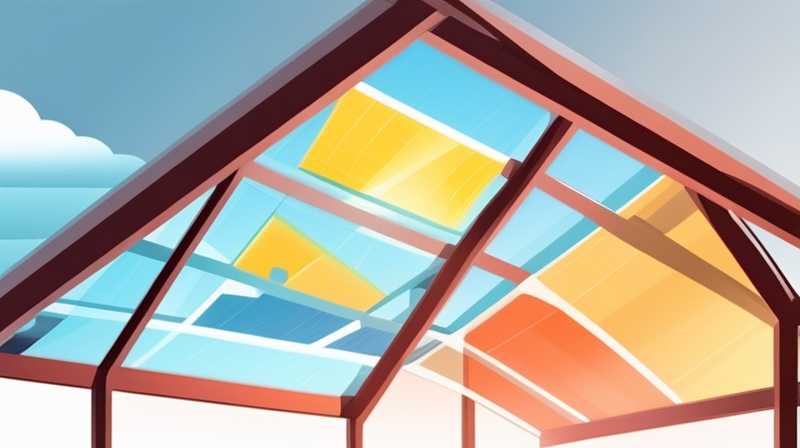
Placing solar panels on a glass roof can be a daunting task, but with proper planning and execution, it is entirely feasible. 1. Solar panels can be installed on glaziers without significant compromises in aesthetics or utility, 2. Specialized mounting systems are available to ensure safety and durability, 3. Professional consultation is recommended to assess structural integrity, 4. Regulatory considerations must be adhered to promote compliance and efficiency.
Point of Elaboration: The use of specialized mounting systems is crucial. Solar panel mounting solutions specifically designed for glass roofs are engineered to securely attach the panels without compromising the glass structure. These systems often utilize adhesive bonding or lightweight frameworks to minimize the risk of damage and ensure reliable performance of the solar installation over its lifespan.
1. UNDERSTANDING GLASS ROOFS
Glass roofs have become increasingly popular in modern architecture and construction due to their aesthetic appeal and ability to enhance natural light within a structure. However, the integration of solar panels on such unique surfaces presents certain challenges and considerations. The first step in successfully placing solar panels on a glass roof is comprehending the nuances of the materials involved, the necessary equipment, and the impact on building design.
Glass roofs can either be solid or made of layers of photovoltaic (PV) materials, which can affect the installation process. Compatibility of design and functionality is paramount. Ensuring that panels can be positioned without obstructing vital light pathways or structural integrity is essential for a successful outcome. Furthermore, it is also important to understand the implications of the installation from both an engineering and aesthetic perspective, ensuring that the overall design intent remains intact.
2. MOUNTING SYSTEMS
The selection of an appropriate mounting system is one of the most crucial aspects of installing solar panels on glass. Specialized systems exist to accommodate the unique characteristics of glass roofs, providing secure attachment while preventing possible damage to the glass surface. Adhesive systems, for instance, allow panels to be mounted directly onto the glass without penetrating the material, thus preserving its integrity.
Heavy-duty adhesives, designed to withstand weather elements and physical stress, can be utilized, taking into account proper surface preparation and application methods. Lightweight mounting hardware can also be employed to distribute the weight of the solar panel systems evenly across the glass surface. This approach not only ensures structural safety but also enhances the visual appeal of the installation, harmonizing it with the architectural elegance of modern designs.
3. STRUCTURAL INTEGRITY
Assessing the structural integrity of a glass roof before proceeding with any solar panel installation is critical. Glass roofs must be evaluated for their capacity to bear additional loads without compromising safety. Engaging a structural engineer is essential to evaluate factors such as the roof’s design, existing framework, and the potential added weight of solar panels.
During this assessment, considerations such as wind resistance, snow loads, and thermal expansion must also be addressed. The engineer will provide insights into whether reinforcements or specialized materials are required to ensure the roof can handle this new burden effectively. Ensuring the roof is sound not only guarantees the safety of the installation but also enhances the performance and longevity of the solar energy system.
4. REGULATORY CONSIDERATIONS
Before embarking on the installation of solar panels on a glass roof, one must navigate various regulatory frameworks that govern such projects. Local building codes and regulations dictate numerous aspects of solar installations, including permits, certifications, and inspections. Understanding and adhering to these requirements is necessary to avoid potential legal issues or fines.
In many regions, securing building permits is a prerequisite for installation. This involves submitting plans that detail the proposed installation, showing compliance with local building regulations. Engaging with local authorities and solar installation professionals can facilitate this process. It is also advisable to be aware of any incentive programs provided for solar installations, which can offer financial benefits and further encourage the transition to solar energy.
5. INDEPENDENT INSTALLATION VS PROFESSIONAL HELP
While some homeowners may consider installing solar panels on their glass roofs independently, the complexity and risks involved often necessitate professional assistance. Given the specific challenges associated with glass roofing materials, it is often wiser to pursue the expertise of certified solar panel installation firms.
Professionals not only ensure compliance with regulations and safety measures but also bring invaluable experience in handling varying installation challenges. Engaging experts provides peace of mind, ensuring that the installation is completed efficiently with minimal risk of damage to the glass structure. For individuals lacking experience in solar installations, hiring professionals is a prudent choice that can save time and reduce potential errors.
FREQUENTLY ASKED QUESTIONS
WHAT ARE THE MAIN ADVANTAGES OF INSTALLING SOLAR PANELS ON A GLASS ROOF?
Installing solar panels on a glass roof presents numerous advantages. One of the primary benefits is maximizing natural light within the structure, as glass roofs are designed to enhance sunlight exposure. Solar panels can harness this abundance of light energy, converting it into electricity to power the building or even feed excess energy back into the grid, which may provide financial incentives.
Additionally, solar energy is a renewable resource that contributes to sustainability efforts and reduces carbon footprints. By integrating solar technology with aesthetically pleasing glass architecture, property owners can also enhance property value and attractiveness. In conjunction with energy efficiency improvements, the overall relation between aesthetics and functionality can create a compelling case for investment in solar panel installations on glass roofing systems.
HOW DOES WEATHER AFFECT SOLAR PANELS ON GLASS ROOFS?
Weather can significantly impact the performance and longevity of solar panels installed on glass roofs. Factors such as wind, rain, snow, and temperature can affect solar panel efficiency and overall operational capacity. Wind can create pressure differentials that could jeopardize the mount, while heavy snowfall may present loading concerns.
Moreover, rain and debris can accumulate on panels, potentially obstructing sunlight penetration. Regular cleaning and maintenance become crucial to ensure optimal performance. On the flip side, advanced solar technologies often include features that enhance durability against the elements. It is also essential to choose high-quality panels, capable of withstanding extreme weather conditions, thereby increasing reliability in various climates.
HOW CAN I ENSURE THE LONGEVITY OF MY SOLAR PANEL INSTALLATION?
To guarantee long-lasting solar panel installations on glass roofs, several considerations should be taken into account. Regular maintenance is paramount; frequent inspections and cleaning of panels can significantly boost their efficiency and lifespan. Ensuring that the mounting system remains secure and intact is equally crucial in preventing damage due to environmental stressors.
Utilizing high-quality materials and professional installation practices further enhances durability. Investing in warranties or insurance coverage for the solar installation can provide additional peace of mind. Furthermore, staying informed about technological advancements in solar energy systems can also lead to timely upgrades, maintaining peak performance for years to come.
Successfully placing solar panels on a glass roof requires careful planning, professional assistance, and a deep understanding of various factors affecting the installation process. Establishing the compatibility of mounting systems is crucial, ensuring that the panels are securely attached without compromising the integrity of the glass structure. Furthermore, assessing the structural capacity of the roof is fundamental and should always be conducted by qualified professionals. Regulatory compliance ensures that the installation adheres to local codes, avoiding potential legal issues while potentially accessing incentive programs. Lastly, while independent installation might be tempting for some, engaging with experienced professionals is the most effective way to navigate the complexities involved, ensuring efficiency and longevity. Overall, with a strategic and informed approach, harnessing the power of solar energy through glass roof installations is not only viable but also advantageous for energy savings and sustainability.
Original article by NenPower, If reposted, please credit the source: https://nenpower.com/blog/how-to-place-solar-panels-on-glass-roof/

