

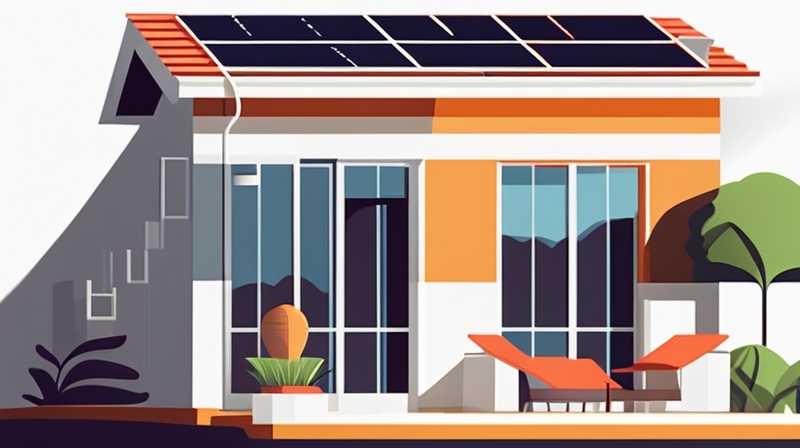
To effectively place solar energy systems on the roof of a villa, it’s essential to understand several critical aspects that contribute to the successful implementation of solar technology. 1. Understanding the villa’s orientation, 2. Assessing roof condition, 3. Choosing the right solar system, 4. Professional installation, and 5. Maintenance and monitoring. Among these, assessing roof condition is crucial since a roof must be structurally capable of supporting solar panels. A thorough inspection can uncover potential issues such as leaks or weaknesses that must be addressed before installation can commence.
1. IMPORTANCE OF SOLAR ENERGY IN MODERN ARCHITECTURE
In recent years, the significance of harnessing solar energy has taken center stage within the architectural community. The move towards sustainable development has accelerated the adoption of solar technologies across various building types, including residential villas. Solar energy provides a renewable power source, reduces carbon footprints, and can significantly lower electricity bills. Additionally, utilizing solar panels aligns with the growing global emphasis on sustainability, making it an attractive option for villa owners.
The architecture of modern villas often incorporates designs that are not only aesthetically appealing but also optimized for energy efficiency and sustainability. By integrating solar energy systems, villa owners can enhance both the energy efficiency and the environmental footprint of their homes. This integration represents a proactive approach to energy management, ensuring that the villa is equipped to meet current energy demands while contributing positively to the environment.
2. EVALUATING ROOF CHARACTERISTICS
Before proceeding with solar panel installation, it’s imperative to evaluate the roof characteristics of the villa. The roof’s pitch, material, and overall structural integrity significantly influence the decision-making process regarding solar panel placement. A flat or gently sloping roof may be more favorable for installation, allowing for easier positioning of panels to maximize sunlight exposure. Conversely, a steeply pitched roof might require specialized mounting solutions or might not be as efficient.
The material of the roof also plays a vital role in the placement of solar systems. Common roofing materials include asphalt shingles, metal, and tile. Each has unique properties that can either facilitate or complicate the installation process. For example, metal roofs often support solar systems quite well, allowing for direct mounting without causing substantial structural strain. However, tile roofs may necessitate further considerations for durability and safety, especially regarding the potential for breakage during installation.
3. SOLAR SYSTEM SELECTION
Choosing the appropriate solar energy system for a villa is critical for long-term functionality and performance. Considerations include deciding between photovoltaic (PV) panels and solar thermal systems, as well as evaluating the potential for off-grid versus grid-tied systems. PV panels convert sunlight directly into electricity, making them an excellent choice for villas looking to reduce utility bills or achieve energy independence. Conversely, solar thermal systems harness sunlight for heating purposes, which can be beneficial for heating water or other fluids.
Budget considerations are essential when selecting a solar system, as installation costs can vary widely based on technology, scale, and complexity. It’s advisable to balance the initial investment against long-term savings on energy bills. Additionally, reviewing any available incentives, rebates, or financing options can significantly influence the decision-making process. With the right planning and foresight, investing in solar systems can yield substantial financial returns over time.
4. PROFESSIONAL INSTALLATION PROCESS
The installation of solar energy systems requires expertise and precision. Engaging qualified professionals is essential for ensuring compliance with safety regulations, local codes, and efficient system performance. A professional installation team will conduct a thorough assessment of the villa and confirmed agreements regarding system specifications before beginning the installation process. Their knowledge extends to understanding the unique roof characteristics and tailoring the installation accordingly.
Not only does professional installation mitigate the risks associated with DIY setups, but it also ensures that the system is designed and calibrated for maximum efficiency. Incorrect installations can lead to decreased performance, higher maintenance costs, and potential damage to both the solar system and the roof itself. Proper installation can also help secure warranties from manufacturers, providing peace of mind to villa owners regarding the longevity and reliability of their solar energy systems.
5. MAINTENANCE AND MONITORING
After installing a solar energy system, ongoing maintenance and monitoring play a crucial role in ensuring that the villa benefits from its investment. Routine inspections and cleanings are necessary to keep the panels functioning optimally and to address any potential issues before they escalate. Dust, debris, and bird droppings can accumulate on solar panels, reducing their efficiency. Regular cleaning can help maintain peak performance and maximize energy generation.
In addition to physical maintenance, monitoring the performance of the solar energy system is equally important. Most modern systems come equipped with monitoring technology that allows owners to track energy production in real-time. This data can be invaluable for identifying discrepancies in performance and addressing any underlying issues promptly. Having a proactive maintenance strategy, whether via DIY upkeep or professional services, is an essential aspect of successfully implementing solar energy in a villa.
6. COST FACTORS TO CONSIDER
When contemplating solar energy installation, understanding the financial implications is essential. The costs associated with solar panel installations can vary significantly based on several factors, including system size, type of panels, and local labor costs. For villa owners, careful planning and budgeting play a pivotal role in making informed decisions about solar investments. Factors such as roof characteristics, easy access for maintenance, and potential shading from trees or nearby structures can influence the overall installation cost.
Moreover, financial incentives available at the local, state, or federal levels can dramatically impact the affordability of solar energy systems. Tax credits, rebates, and grants can provide considerable financial relief and improve the overall return on investment for solar installations. Consulting with solar energy professionals familiar with local legislation and incentives can provide valuable insight, ensuring villa owners make the most of potential savings.
7. ENVIRONMENTAL AND SOCIAL IMPACT
The discussion surrounding solar energy is incomplete without addressing its broader environmental and social implications. Transitioning to solar energy can significantly reduce greenhouse gas emissions, contributing to climate change mitigation efforts. By adopting renewable energy sources like solar power, villa owners can lead by example, showcasing commitment to environmental responsibility.
Socially, making such transitions can foster awareness and inspire community-level engagements around sustainable practices. Furthermore, supporting clean energy initiatives can create economic opportunities within the local ecosystem, including job creation in renewable energy sectors. This holistic approach ensures that solar energy implementations yield positive effects that extend beyond the individual villa, contributing to a more sustainable future for communities at large.
8. COMMON MYTHS ABOUT SOLAR ENERGY INSTALLATION
Amid the growing interest in solar energy, various myths and misconceptions can deter potential adopters. One prevalent myth suggests that solar panels are ineffective in cloudy or rainy climates; however, solar systems can still generate power even under less-than-ideal conditions. While they perform optimally in direct sunlight, modern solar panels can operate in a range of weather conditions, providing valuable energy even on overcast days.
Additionally, some believe solar installations are prohibitively expensive; however, advancements in technology and the proliferation of financing options have made solar energy more accessible than ever. Understanding the realities of solar energy implementation can dispel misinformation and empower villa owners to make informed choices regarding their energy solutions.
9. PLANNING FOR THE FUTURE
As the demand for solar energy systems continues to grow, villa owners should proactively consider their long-term needs. The evolving nature of solar technology means that newer and more efficient systems are frequently developed, prompting owners to stay informed about advancements in the field. Evaluating the potential for future scalability can also be beneficial for villa owners, particularly if additional energy needs arise as families grow or lifestyles change.
Incorporating flexible solutions enables villa owners to adapt their systems over time without the need for complete replacements. Successful long-term planning can maximize the value derived from solar energy investments while ensuring the villa remains at the forefront of sustainable living practices.
FAQ SECTION
WHAT IS THE AVERAGE COST OF INSTALLING SOLAR PANELS ON A VILLA?
The average cost for solar panel installation on a villa varies based on several factors including system size, location, and specific installation requirements. Typically, a residential solar installation can range from $15,000 to $40,000 before applying any tax credits or rebates. Factors influencing the total cost include the type of solar panels selected, the complexity of installation due to roof characteristics, and any additional equipment needed, such as inverters or battery storage systems. Labor costs can differ depending on geographical location, as well as availability of installers.
Furthermore, local incentives substantially impact the overall financial outlay. Many homeowners qualify for federal, state, or utility rebates, which can significantly reduce the initial investment. In some areas, zero-interest financing options or solar leasing programs may be available, allowing villa owners to adopt solar technology with minimal upfront costs. Thus, it is advisable for individuals considering solar energy to conduct thorough research and obtain multiple quotes from reputable solar companies before making any decisions.
HOW MANY SOLAR PANELS ARE NEEDED FOR A VILLA?
Determining the number of solar panels necessary for a villa is contingent upon multiple variables, including the home’s energy consumption, size, roof space, and regional solar intensity. Typically, an average home may require between 15 to 40 solar panels to meet its energy needs. To ascertain the precise number, villa owners can analyze their historical energy usage, usually available through utility bills, and consider their energy efficiency improvements.
Next, evaluating the wattage of the chosen solar panels is essential. Standard solar panels typically generate between 250 to 400 watts each. By calculating total energy requirements and dividing by the total wattage produced by the selected panels, homeowners can determine the number of panels required efficiently. It’s also important to factor in layout options such as panel orientation and shading, as these can impact total energy output.
WHAT ARE THE BENEFITS OF SOLAR ENERGY FOR HOMES?
Employing solar energy in residential settings presents numerous advantages. One of the primary benefits is significant savings on electricity bills. By generating one’s own electricity, homeowners can often eliminate or reduce monthly energy costs dramatically. Furthermore, with rising electricity prices, generating power through solar panels can provide long-term price stability.
Additionally, integrating solar energy leads to a reduced carbon footprint, contributing to environmental sustainability. Solar systems harness a renewable energy source that produces no emissions during operation, making it an eco-friendly choice. The installation of solar panels can also enhance property values; homes equipped with solar energy systems may be more appealing to prospective buyers, resulting in potentially higher resale prices. Finally, the energy independence gained through having a solar energy system can provide peace of mind, especially during times of fluctuating energy prices or power outages.
In summary, placing solar energy on a villa’s roof entails multiple considerations, including roof characteristics, system selection, professional installation, and ongoing maintenance. Each aspect plays a critical role in optimizing the solar energy investment while contributing positively to sustainability efforts. Through careful planning and professional insights, villa owners can successfully integrate solar energy systems that not only meet their energy requirements but also foster a responsible approach to energy consumption. Embracing solar technology involves developing an understanding of the potential benefits and identifying appropriate financing opportunities while keeping the long-term outlook sound, ensuring that homes remain at the forefront of clean energy economics. Urban areas often have additional incentives and support for transitioning to solar energy. Thus, leveraging these advantages can lead to a structured and beneficial implementation process that aligns with individuals’ values and aspirations for sustainable living.
Original article by NenPower, If reposted, please credit the source: https://nenpower.com/blog/how-to-place-solar-energy-on-the-roof-of-a-villa/

