

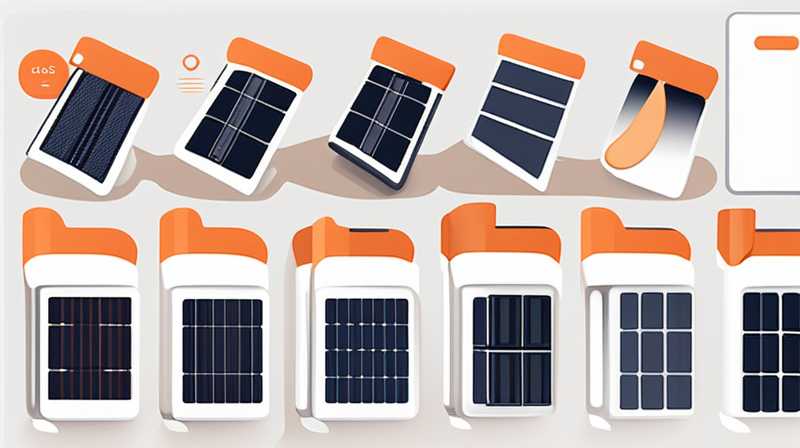
To safely and effectively open the back cover of a solar light, follow these steps: 1. Identify the type of fastening, whether screws or clips, securing the cover. 2. Gather necessary tools such as a screwdriver or pliers. 3. Carefully remove the fasteners to prevent damage. 4. Gently pry open the cover, being mindful of any attached wiring or components. The process may vary based on different solar light models, but attention to detail during removal ensures the longevity and functionality of the device.
UNDERSTANDING SOLAR LIGHTS
Solar lights, designed to harness energy from the sun, offer a sustainable illumination solution for various outdoor settings. Their operation relies on photovoltaic cells, which convert sunlight into electricity. The design often incorporates rechargeable batteries that store energy, allowing for illumination during night hours. Understanding these components is invaluable before attempting any maintenance, including accessing the back cover.
The back cover of a solar light serves multiple vital functions, including protecting internal electronics and providing access for maintenance or replacement of batteries. A grasp of the structure and functionality informs the method used to open this component without causing damage. This comprehensive approach not only helps in immediate maintenance tasks but also supports the overall longevity and efficiency of the solar light.
IDENTIFYING THE SOLAR LIGHT MODEL
Before proceeding to open the back cover, a careful examination of the solar light model is pivotal. Different models exhibit varying mechanisms for securing the back cover, ranging from screws to snap-fit designs. Acknowledging the specific type of your solar light can prevent unintended damage during the process.
For models secured with screws, ensure the correct size and type of screwdriver is employed. Conversely, if the design encompasses clips or latches, gently inspecting them can provide insights into the unlocking method. Familiarity with the model’s features not only enhances the process efficiency but also upholds the integrity of the light.
GATHERING THE REQUIRED TOOLS
Tool selection plays a crucial role in the successful opening of a solar light’s back cover. Depending on the model, several instruments may be necessary. A typical toolkit might include a Phillips or flathead screwdriver, pliers, a utility knife, and perhaps a small, flat tool to aid in prying.
Using appropriate tools reduces the likelihood of stripping screws or damaging the housing. Proper tool management is essential; ensure your workspace is organized to avoid misplacing components during disassembly. This methodical approach guarantees a smooth operation, significantly impacting the efficiency and safety of the repair process.
REMOVING FASTENERS
Once the type of securing mechanism is identified and tools are at hand, the next step involves the careful removal of fasteners. If screws are present, a steady hand and appropriate pressure are important to prevent slipping or damaging the screws or the surrounding materials. It’s wise to place screws in a designated container during the process to avoid loss.
In instances where clips are present, a gentle tug or pry may be needed. Always conduct this task with caution; excessive force can lead to breakage of the clips, which may hinder reassembly. Meticulous attention during this phase ensures a smooth servant’s journey into the interiors of the solar light.
PRYING OPEN THE BACK COVER
After securing all fasteners, the process of gently prying open the back cover begins. It’s important to deploy minimal force; consider sliding a flat tool between the body and the cover if resistance is met. Recognizing natural leverage points can effectively reduce strain on the components.
When the cover is sufficiently loose, lifting it away should provide access to the internal workings. If any wiring is visible, it’s essential to handle it with care. Tugging or yanking could sever connections or damage components. Practicing patience during this phase significantly contributes to an overall positive outcome.
REPLACING AND MAINTAINING INTERIOR COMPONENTS
Upon accessing the interior, replacement or maintenance of components like batteries may come to the forefront. This stage allows for the inspection of wiring, solar panels, and batteries for signs of wear or malfunction. If the batteries appear swollen, leakage is evident, or charging issues persist, replacement is highly recommended.
When introducing new batteries or other parts, ensure they match the specifications required by your solar light model. Installing incompatible components could lead to performance deficiencies or damage to the device. Continued vigilance in maintenance optimizes functionality and lifespan.
REASSEMBLING THE SOLAR LIGHT
After any necessary replacements or repairs, reassembly is the next critical phase. Align the back cover correctly to ensure a proper fit, avoiding any misalignment that could compromise the lighting mechanism or expose the internals to external elements.
Securely reinsert all screws or clips, ensuring each fastener is tightened but not over-applied. Over-tightening can strip threads or damage plastic housing, leading to future complications. As a final step, double-check integrity by giving the unit a gentle shake to confirm there are no loose parts.
TROUBLESHOOTING COMMON ISSUES
Even after successfully opening and reassembling the solar light, common issues may arise necessitating further troubleshooting. Items like inadequate charging during daytime or sporadic lighting could point towards problems beyond the battery, such as solar panel dysfunction.
Inspecting the solar panel for debris, damage, or misalignment is essential. Dirty surfaces or obscured panels can significantly hinder energy absorption. Additionally, consistent testing of the lighting functionality confirms not only battery health but also the entire system’s functionality. Addressing such problems promptly ensures prolonged performance of solar lights.
SAFETY CONSIDERATIONS
Safety should always be paramount when attempting to open any electronic device, including solar lights. Wearing appropriate gloves can protect against sharp edges or potential chemical exposure from batteries. Ensuring the unit is disconnected from any power source prior to maintenance reduces the risk of electric shock.
Additionally, working in a well-lit and organized environment minimizes accidents and facilitates task performance. Awareness of safety protocols during maintenance tasks is fundamental; embracing this principle contributes to a successful and secure operation.
FAQs
WHAT TOOLS DO I NEED TO OPEN A SOLAR LIGHT?
To effectively open a solar light, specific tools are required based on the model and its fastening mechanism. Typically, common tools include a Phillips or flathead screwdriver, which is essential for removing screws. If the design utilizes clips, a flat tool, similar to a putty knife, can aid in disentangling the fasteners. In certain circumstances, pliers are also helpful for gripping or holding components steady during removal. A utility knife may assist in carefully prying apart tougher materials without causing damage. It’s essential to ensure that all tools are appropriate to avoid stripping screws or damaging the light. Keeping your workspace organized can prevent loss of screws or components, which is vital for a smooth reassembly process. If any additional components need replacing—such as batteries or fuses—having the correct replacements on hand can expedite the entire operation. Always prioritize safety by using tools correctly and following sound practices throughout the disassembly and reassembly stages.
HOW DO I REPLACE THE BATTERIES IN A SOLAR LIGHT?
Replacement of batteries in a solar light typically follows the successful opening of the back cover. Once access is gained, the existing batteries can be carefully examined for size and compatibility with the solar light model. Before removal, take note of their position, ensuring the orientation of the positive and negative terminals is clear to prevent mistakes during reinstallation. Using small tools can assist in dislodging batteries that feel stuck. It’s vital to utilize new batteries that match the specifications listed by the manufacturer, as employing incorrect types can lead to malfunction or damage. After inserting new batteries, double-check their fit and closure, as insufficiently placed batteries can disrupt electrical flow. Additionally, it’s wise to clean any corrosion or residue around the battery compartment to ensure optimal performance. Once the new batteries are secure, reassemble the back cover, following proper fastening techniques to maintain the integrity of the device. Proper handling of batteries is crucial; always wear gloves when replacing them to safeguard against chemical exposure.
WHY IS MY SOLAR LIGHT NOT WORKING AFTER REPLACEMENT?
If a solar light remains unresponsive following battery or component replacement, multiple factors may contribute to the issue. Initially, verify that the new batteries are functioning correctly; testing with a multimeter can confirm their charge levels. If the batteries are fine, investigate the solar panel, as dirt or damage could impede sunlight absorption, resulting in poor energy storage. Ensuring that the panel is clean and unobstructed is critical for optimal performance. Additionally, examine connections and wiring for any signs of disconnection or damage sustained during the maintenance process. A weak connection can disrupt the current flow, leading to failure in lighting. Finally, if everything appears intact, consider environmental factors—such as limited sunlight during certain seasons—that may impact performance. Reassessing all components and ensuring compliance with specifications can assist in diagnosing the root of the problem. Avoiding excessive force during installation can prevent potential damage to each part, ensuring a higher chance of successful operation. Rechecking the device post-replacement with close attention to each aspect can facilitate identification of the underlying issues.
IMPORTANCE OF REGULAR MAINTENANCE FOR SOLAR LIGHTS
Regular maintenance of solar lights plays a vital role in prolonging their operational life and ensuring optimal performance. Routine checks involving inspecting solar panels for debris buildup or obstructions are essential; even slight hindrances can noticeably impact charging efficiency. Periodic cleaning, particularly after inclement weather, ensures that panels remain effective in absorbing sunlight. Moreover, checking batteries for signs of wear such as corrosion, leakage, or diminished capacity ensures that they can adequately store energy for nighttime illumination. Regular replacement of batteries should be planned, taking into account the manufacturer’s recommendations on lifespan and effectiveness. This proactive approach prevents unexpected outages and promotes uninterrupted service during evenings. **In summary, an ongoing commitment to maintaining solar lights not only enhances their functionality but also contributes to energy efficiency and sustainability efforts. With attention to detail and adherence to best practices, solar lights can effectively serve their purpose for years to come.
MAINTAINING AND IMPROVING EFFICIENCY OF SOLAR LIGHTS
At the heart of efficiency lies a commitment to proper integration of sustainable practices. Beyond routine maintenance, enhancements can be made through selecting solar lights equipped with advanced technological features. Models that include smart technology often provide users with options to control and schedule lighting based on personal preferences or environmental changes. Incorporating energy-efficient LED bulbs maximizes light output while minimizing energy consumption, complementing existing solar designs. Engaging in strategic placement of solar lights, ensuring they are positioned in areas that receive maximum sunlight, significantly enhances performance. Additionally, using reflective surfaces nearby can amplify exposure to sunlight, contributing to better energy absorption. Regular assessments of current configurations can uncover potential improvements in setup and positioning, leading to tangible benefits over time. Through this blend of conscientious maintenance and intentional enhancements, individuals can ensure that their solar lights remain effective, reliable, and environmentally friendly.
A solid understanding of the procedures involved with accessing, maintaining, and enhancing solar lights translates into a more informed user experience. This detailed guide serves to optimize not only individual devices but also contributes positively to broader sustainability efforts. Properly maintained solar lights serve a dual purpose beautifully, providing illumination while minimizing reliance on traditional energy sources, aligning with an ever-increasing global emphasis on sustainable solutions. By carefully selecting tools, fostering safety, and embracing regular check-ups, one can ensure these devices continue to deliver efficient and dependable lighting for years to come.
Original article by NenPower, If reposted, please credit the source: https://nenpower.com/blog/how-to-open-the-back-cover-of-a-solar-light/

