

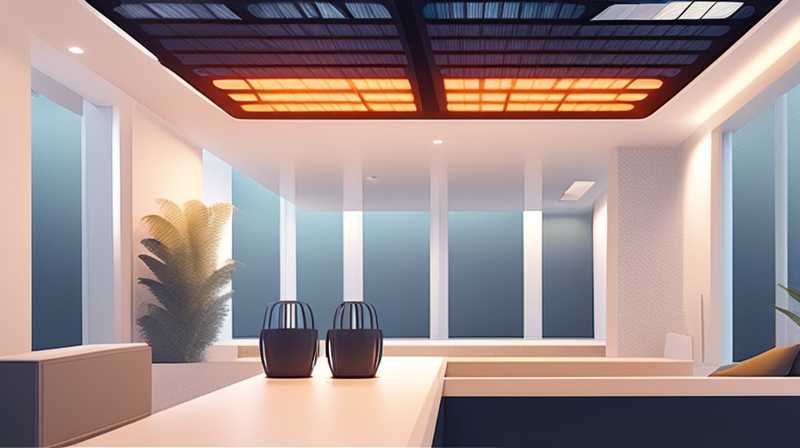
1. Understanding the Basics of Solar Ceiling Light Modification
Solar ceiling lights have become increasingly popular due to their energy efficiency and eco-friendliness. 1. Modification can enhance functionality, 2. Customization options exist, 3. Safety precautions are paramount, 4. Required tools vary by project. For instance, when modifying a solar ceiling light, one might want to alter its brightness or adjust its aesthetic design. This involves understanding its components and functionalities thoroughly. Each modification can significantly impact the performance and longevity of the device, thus a keen approach is advised.
1. ESSENTIAL TOOLS AND MATERIALS
Beginning any modification project necessitates having the proper tools and materials on hand. Essential tools include screwdrivers, wire cutters, soldering iron, and pliers. Each tool plays a critical role during different stages of the modification process.
The screwdriver is fundamental when disassembling the solar ceiling light. Different sizes may be needed to handle various screws. Wire cutters are crucial for safely trimming wires while ensuring they remain manageable for later connection. A soldering iron becomes necessary when needing to change or connect circuits, allowing for secure electrical connections that will ensure the functionality of the light after modifications. As for pliers, they assist in gripping small components tightly, which is particularly useful during assembly and disassembly.
In addition to these tools, certain materials are indispensable. Replacement bulbs, enhanced solar panels, or decorative covers can transform the appearance or efficiency of the light. When considering modification, it’s essential to select high-quality components that align with the desired enhancements. By taking time to prepare with the right tools and materials, you’re setting the foundation for a successful project.
2. SAFETY MEASURES TO CONSIDER
Before embarking on the modification journey, safety protocols are a priority. Always ensure the solar ceiling light is completely powered down. This decreases the risk of electric shock, a critical aspect of handling any electrical appliance.
Wearing gloves is advisable, as they provide protection against sharp edges or tools that may cause injury. Furthermore, eye protection should not be overlooked, especially when soldering or cutting materials. The production of small particles or solder splashes can pose a risk to vision. Implementing these safety measures forms a crucial layer of protection, allowing you to focus on the task without unnecessary concern for accidents or injuries.
Additionally, working in a well-ventilated area is vital, particularly during soldering. Acrylic vapors generated in the process can be harmful if inhaled. Keeping a first aid kit nearby is also recommended, providing immediate access to medical supplies should any unforeseen injuries occur. Prioritizing safety creates a secure environment, ultimately ensuring a smoother and more efficient modification experience.
3. UNDERSTANDING THE COMPONENTS
Grasping the inner workings of solar ceiling lights is paramount for effective modification. Solar ceiling lights typically consist of key components: solar panels, batteries, LED bulbs, and control circuitry. Each component has its role, and modifications can often revolve around enhancing or replacing these elements.
The solar panel plays a crucial role in converting sunlight into electrical energy. Altering or upgrading the solar panel can result in improved efficiency and battery life. When deciding on changes, it is essential to consider the panel’s quality and output capacity. Higher quality cells can capture more sunlight, which would directly impact the brightness and operational time of the LED bulbs. For example, if the existing solar panel is not sufficiently powerful, switching it for one that delivers greater energy can enable longer operational hours at higher brightness levels.
The batteries store the energy collected by the solar panel. Enhancements here can yield a significant impact on runtime. If the existing battery is older or less efficient, replacing it with a high-capacity lithium-ion battery could double the output and longevity of the light’s use. Understanding capacity ratings and compatibility is essential to ensure that the new battery will not harm the light’s circuitry or overall performance.
4. MODIFYING THE BULB COMPONENT
The LED bulb is the visible element of a solar ceiling light and contributes significantly to its aesthetic appeal and function. Modifying the bulb can lead to both practical improvements and stylistic changes. Choosing a warmer or cooler color temperature can transform an ambient space dramatically.
For instance, if a more inviting atmosphere is desired, opting for warmer white LED bulbs might be ideal. Conversely, for areas where focus and clarity are needed, such as kitchens or workspaces, cooler white bulbs will enhance visibility. The wattage of the bulb is also paramount; a bulb that is too powerful can drain the battery rapidly, while one that is insufficient may not provide enough light.
Furthermore, custom-designed covers or diffusers can soften or direct the light output. This not only alters the ambience but can also help in creating functional lighting for specific purposes, such as focused task lighting for workspaces. Various styles of diffusers can create unique lighting patterns, adding an aesthetic dimension that fits the desired ambiance of the space.
5. REASSEMBLY AND TESTING
Upon successful modification, reassembly becomes the next task. Reassembling the solar ceiling light should be approached methodically. It is essential to keep track of every component removed during the initial disassembly.
Given the complexity of some fixtures, it may prove beneficial to take photos at each disassembly step. Assembling the light accurately ensures that all components function harmoniously. It is crucial to confirm that each electrical connection is secure, particularly those made during bulb and battery modifications. Loose connections can lead to failure in the electrical system, thus undermining the modifications made.
Testing follows reassembly. Upon completion, the solar ceiling light should be positioned where it can receive ample sunlight. After charging, activate the light to confirm that all modifications meet expectations. Test the brightness levels, battery life, and overall functionality before concluding the project. Ensuring everything operates as planned not only validates the effort put into modifications but also guarantees that the light serves its intended purpose effectively.
6. ENHANCING SOLAR LIGHT AESTHETICS
Beyond technical enhancements, the aesthetic appeal of the solar ceiling light can be dramatically improved. Incorporating decorative elements or finishes can yield a more visually pleasing result.
Consider adding decorative frames or stickers to personalize the appearance of the solar ceiling light. These modifications do not alter the functionality but can certainly enhance the overall look. Custom painting the housing or adding vinyl wraps can bring a unique style that matches the home decor.
Furthermore, employing natural elements such as bamboo or wood can enrich the design while maintaining a tranquil ambiance. The interplay between natural materials and lighting creates a comforting environment and brings warmth to otherwise sterile areas. The custom aesthetics can transform a mere lighting fixture into an elegant statement piece.
7. MAINTENANCE POST-MODIFICATION
After investing time and resources into modifying a solar ceiling light, implementing a routine maintenance schedule is vital for longevity. Regular cleaning should be prioritized to ensure optimal performance. Accumulations of dust and dirt on solar panels impede light absorption, significantly reducing efficiency.
Craft a routine for cleaning, perhaps once a month, focusing on both the panels and the light fixtures. Use a soft cloth and a gentle cleaning solution to avoid damage. Inspect all electrical connections periodically, ensuring they remain secure and free from corrosion. If any issues arise, prompt attention is necessary to prevent further complications.
Additionally, consider seasonal inspections, particularly before winter, to ensure all components remain intact and functional. This foresight will help prevent any unexpected failures during the colder months when you might rely heavily on lighting for safety and visibility.
8. POTENTIAL ISSUES AND SOLUTIONS
Modifying solar ceiling lights can lead to multiple potential challenges. Common issues include diminished performance, loss of functionality, or compatibility concerns. Firstly, when boosting components such as solar panels or batteries, it is crucial to ensure compatibility with existing systems. Mismatched components can lead to electrical failures or reduced functionality.
Secondly, be prepared to deal with performance-related concerns. If modifications do not yield anticipated results, reassess each component, starting with power sources. If the solar panel has not improved energy capture, it could be worthwhile to consult troubleshooting guides to understand why.
Lastly, if the modifications interfere with warranty stipulations, this is a considerable risk. Carefully review the warranty conditions attached to the light before undertaking any changes, as certain actions may void coverage for future repairs.
WHAT ARE THE BENEFITS OF MODIFYING SOLAR CEILING LIGHTS?
Enhancing solar ceiling lights offers numerous advantages. Notably, improved efficiency and customization options lead to significant improvements. Increased efficiency results from upgrading components like batteries and solar panels, which allows for longer light usage and brighter illumination. Improved functionality directly translates into greater satisfaction for end-users.
Customization enables individuals to tailor the light’s features—whether adapting brightness or changing color temperature to meet specific environment requirements—greatly enhancing usability. Personalized design elements also contribute to creating a unique aesthetic that aligns with individual style preferences or the decor of the surrounding area.
HOW CAN I ENSURE THE MODIFICATIONS LAST LONG?
To guarantee durability, one must conduct routine maintenance and select high-quality components. Routine checks of electrical connections, cleaning solar panels, and replacing worn parts ensure ongoing functionality. High-quality components resist wear and often come with reliable warranties, which provide added peace of mind.
Furthermore, understanding environmental impacts—such as exposure to extreme weather—allows proactive adjustments. For example, if the fixture regularly encounters harsh conditions, protective casings or enclosures can shield it from damage.
WHAT ISSUES MIGHT ARISE DURING MODIFICATION?
When undertaking modifications, one might face several potential problems, including compatibility issues, failure of new components, or unanticipated complexities during reassembly. Each modification should be approached with careful consideration of the original design.
If there’s uncertainty regarding components or assembly, consulting with online communities or instructional guides offers valuable insights. Such resources can reveal common pitfalls and solutions, ultimately leading to a more successful modification experience.
In summary, modifying solar ceiling lights encompasses various aspects, including understanding components, enhancing functionality, personalizing aesthetics, conducting proper safety measures, and implementing routine maintenance. Emphasis on professional approaches while leveraging extensive knowledge allows for successful outcomes. The focus ought to remain on delivering superior performance, ensuring a blend of both practical enhancements and aesthetic improvements. Proper precautions, attention to detail, and making informed choices about components ensures that your modifications stand the test of time and deliver desired results.
Original article by NenPower, If reposted, please credit the source: https://nenpower.com/blog/how-to-modify-the-solar-ceiling-light-video/

