

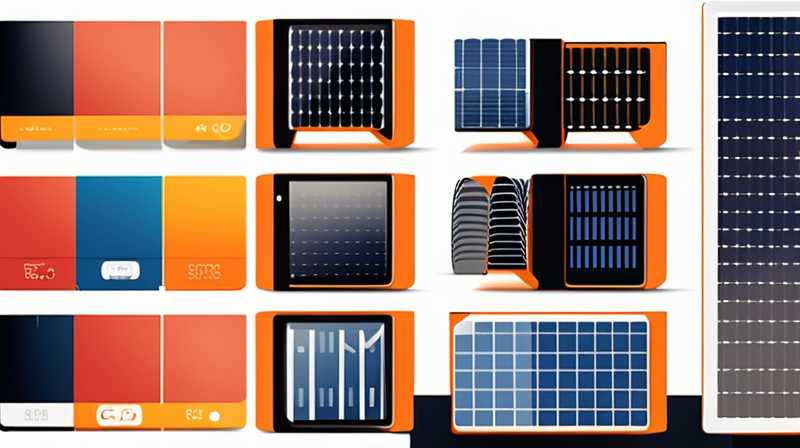
1. Creating a solar display screen involves several essential steps: 1) Understanding the components required for solar energy harnessing; 2) Selecting the appropriate display technology; 3) Assembling the hardware components effectively; and 4) Implementing software control for optimal functionality. For instance, incorporating high-efficiency solar panels is crucial for maximizing the energy conversion, while understanding various display technologies, such as LCD or LED, can significantly impact visual performance and power consumption, enhancing the overall effectiveness of the solar display screen.
1. UNDERSTANDING THE COMPONENTS
Creating a solar display screen necessitates a thorough comprehension of the components required to successfully harness solar energy. Solar panels, batteries, charge controllers, and display screens themselves form the foundational elements of this innovative technology. The quality and efficiency of each component significantly impact the performance of the final product.
Solar panels are typically the most recognizable component in this configuration. They convert sunlight into electrical energy and are available in various types, such as monocrystalline, polycrystalline, and thin-film. Monocrystalline solar panels boast the highest efficiency and longevity, making them suitable for systems where space is limited. On the other hand, polycrystalline panels offer a more budget-friendly option but come with slightly lower efficiency.Regardless of the type chosen, the selection of solar panels should align with the specific energy needs of the display screen.
Batteries serve the crucial function of storing the energy generated by the solar panels. Lead-acid batteries and lithium-ion batteries are popular choices, with the latter providing several advantages including higher energy density, longer life span, and more rapid charging capabilities. The correct battery choice is vital in ensuring that the display screen remains operational even during periods of low sunlight.
Charge controllers are essential in managing the voltage and current flowing from the solar panels to the batteries, preventing overcharging and ensuring optimal battery health. The type of charge controller, whether PWM (Pulse Width Modulation) or MPPT (Maximum Power Point Tracking), can greatly influence the efficiency of energy transfer. Understanding these components and their interactions lays the groundwork for successfully assembling a solar display screen.
2. SELECTING THE DISPLAY TECHNOLOGY
Once the fundamental components have been identified, the next critical decision revolves around the selection of display technology. Different display technologies, such as LCD (Liquid Crystal Display), OLED (Organic Light Emitting Diode), and LED (Light Emitting Diode), offer distinct advantages and disadvantages. Evaluating these technologies against the specific application requirements is vital for achieving an optimal solution.
LCDs are widely known for their impressive color reproduction and sharp images; however, they require a backlight to function, which can consume significant energy. This might not be ideal for a solar-powered display screen that aims to operate sustainably and efficiently. In contrast, OLED technology offers self-emissive pixels that provide vivid colors and deep blacks without the need for a backlight. The reduced power consumption during specific display scenarios makes OLED a highly attractive option for solar applications.
LED displays, while generally more energy-efficient than LCDs, utilize more power than OLED displays under certain conditions. However, advancements in technology have led to the development of ultra-low-power LED displays that can be well-suited for solar-powered applications. Therefore, the final choice concerning display technology should reflect both the energy consumption parameters and the desired aesthetic quality of the output.
3. ASSEMBLING THE HARDWARE COMPONENTS
With a solid understanding of the necessary components and appropriate display technology, the next phase entails the assembly of these hardware elements. Properly connecting the solar panels, batteries, charge controllers, and display technology is crucial in guaranteeing a functioning solar display screen. Each connection must adhere to safety protocols and ensure the integrity of the assembled unit.
The solar panels must be positioned to capture maximum sunlight. This typically involves mounting the panels in an optimal orientation and angle, factoring in the geographical location and seasonal sun positioning. After securing the solar panels, the next step involves wiring them correctly to the charge controller. This component dictates how energy flows to the batteries and subsequently to the display screen, making accurate wiring essential for performance.
With the charge controller connected, the batteries are wired allowing for energy storage. This connection must guarantee that power is accurately transferred to and from the batteries without risking damage due to incorrect voltage or excessive discharge. Finally, the display technology needs to be connected to the batteries, allowing it to draw power effectively while considering the power management strategies designed to enhance efficiency.
4. IMPLEMENTING SOFTWARE CONTROL
The last pivotal aspect of creating a solar display screen encompasses the implementation of software control. Software plays an integral role in managing the performance of the display, tracking power consumption, and optimizing energy use based on various conditions. Designing an effective software solution requires an understanding of both the hardware configuration and the functional requirements of the display screen.
Incorporating power management software helps monitor energy levels in real-time. This software tracks battery status, solar input, and display consumption, ensuring that the display only functions when adequate power exists. Advanced features can include automatic dimming or switching off the display during periods of low energy availability, prolonging the overall functionality of the system.
Furthermore, integrating user interfaces into the software allows for user interaction and control. These interfaces can enable adjustments in brightness, display content, or even schedule operational times based on anticipated sunlight exposure. The introduction of software control not only enhances the user experience but also maximizes the efficiency and effectiveness of the solar display screen.
SOLAR DISPLAY SCREEN FAQs
WHAT TYPES OF SOLAR PANELS ARE BEST FOR DISPLAY SCREENS?
When it comes to selecting solar panels for display screens, preference generally lies with monocrystalline and polycrystalline options. Monocrystalline solar panels rank high in efficiency, producing more energy in less space. For applications where space constraints may be an issue, these panels are often recommended. On the other hand, polycrystalline solar panels are a more economical choice but compromise on efficiency and aesthetics. Overall, the choice between the two should depend on space availability, cost considerations, and specific energy requirements tailored to the intended application of the solar display screen. It’s worth taking time to analyze the projected energy needs and overall budget before making a decision.
HOW LONG DOES A SOLAR DISPLAY SCREEN LAST?
The longevity of a solar display screen can be influenced by various factors. On average, high-quality solar panels have a lifespan of 25 years, while batteries can last anywhere from 5 to 15 years depending on the type and operational cycling. Display technology also plays a critical role; for instance, OLED and LED displays typically have a lifespan ranging from 30,000 to 100,000 hours of usage. Furthermore, routine maintenance, environmental conditions, and implementation of quality components can extend or reduce the operational lifespan of the entire solar display screen assembly. By ensuring proper installation and applying periodic checks, users can maximize the durability of the system.
CAN A SOLAR DISPLAY SCREEN FUNCTION IN CLOUDY WEATHER?
Yes, a solar display screen can indeed function in cloudy weather. While solar panels are less efficient under overcast conditions, they can still generate substantial energy, albeit reduced compared to sunny days. A well-designed solar display setup with an adequately sized battery system enables storage of energy generated during sunnier periods, allowing operation even when sunlight is scarce. Additionally, advancements in solar panel technology have improved their performance under diffused light, and integrating energy-efficient display technologies can further optimize functionality during less-than-ideal weather conditions. Therefore, while cloudy days may affect energy generation, effective energy management can maintain operational capability.
Creating a solar display screen is not merely a straightforward endeavor; rather, it encompasses a multifaceted approach to technology integration and energy management. This intricate process begins with understanding the fundamental components that play crucial roles in solar energy harnessing, such as solar panels, batteries, charge controllers, and various display technologies. A meticulous evaluation of these components is essential for ensuring optimal performance and output quality, which in turn can lead to enhanced viewing experiences and elevated user satisfaction. Each choice made, from the selection of solar panels to the decision regarding display technology, carries weight that ultimately influences the entire assembly’s functionality.
As the assembly of hardware components unfolds, ensuring accurate wiring and secure connections between solar panels and batteries becomes critical, providing a seamless flow of energy. Simultaneously, incorporating sophisticated software for power management ensures that the display operates efficiently, extending the operational lifespan while maintaining an engaging user interface. The integration of a dynamic software control system can introduce features such as automatic brightness adjustment or power-saving modes, which enhance usability while promoting sustainability in energy consumption.
Ultimately, through careful consideration, high-quality materials, and a commitment to innovation, producing a solar display screen promises a sustainable solution that not only provides stunning visual results but also contributes to environmental conservation. As interest in renewable energy sources continues to grow alongside societal shifts toward sustainability, creating an efficient, solar-powered display screen serves as a step toward embracing a cleaner, greener future, ensuring that technology and environmental responsibility can go hand in hand.
Original article by NenPower, If reposted, please credit the source: https://nenpower.com/blog/how-to-make-solar-display-screen/

