

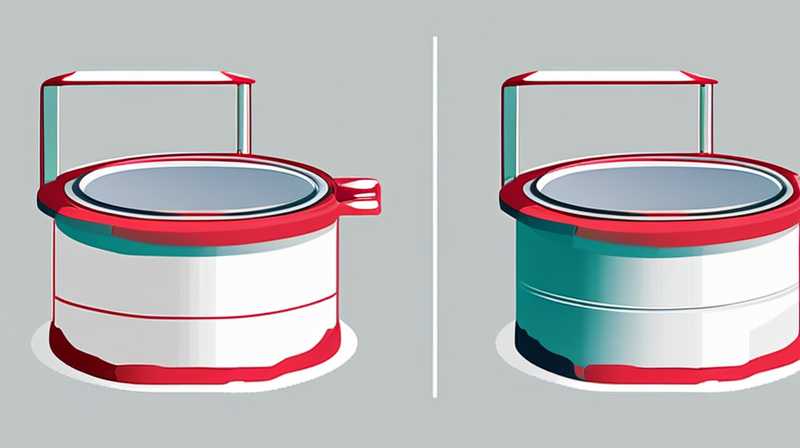
Creating a solar cooker mold involves several essential steps and considerations. 1. Planning the design carefully is crucial to ensure that the cooker effectively harnesses solar energy, 2. Selecting appropriate materials is vital, as they dictate the efficiency and durability of the cooker, 3. Constructing the mold requires precision and attention to detail to create a functional product, and 4. Testing the solar cooker is necessary to assess its performance and make any required adjustments for optimal use. A deeper exploration of the materials, design methodologies, and potential challenges will enhance the understanding of creating a solar cooker mold effectively.
1. PLANNING THE DESIGN
A successful solar cooker must be rooted in a well-thought-out design. At the outset, identifying the purpose and type of foods intended to be cooked is imperative. Different solar cookers operate using distinct mechanisms, primarily those that utilize conventional solar box designs, parabolic reflectors, or solar ovens with ventilation systems. Each design type caters to specific cooking needs and influences the heat retention properties of the cooker. For instance, a box cooker is generally more suited for slow cooking, while a parabolic cooker is ideal for items requiring higher heat levels due to its concentrated rays.
In designing the solar cooker mold, dimensions must be taken into account, determining the size of the cooking chamber and the base structure. The effectiveness of the solar cooker is reliant on its ability to trap heat effectively within its interior while also directing solar rays. The smoother the interior of the cooker, the easier it is for light to be absorbed. Additionally, choosing a reflective paint for the interior surface can enhance heat absorption, improving overall cooking efficiency.
2. SELECTING APPROPRIATE MATERIALS
When it comes to constructing a solar cooker mold, the choice of materials used directly impacts not only efficiency but also the longevity of the cooker. Generally, metals are preferred for their heat conductivity and durability; however, materials such as plywood and plastics can be utilized, particularly for the outer shell. For the reflective components, aluminum foil, mirror tiles, or reflective mylar sheets can be employed due to their exceptional light-capturing capabilities.
When selecting materials, weight and portability must be considered, especially if the cooker will be transported to various locations for use. Insulation is another critical factor that should not be overlooked. Utilizing insulating materials like Styrofoam or fiberglass can significantly enhance heat retention within the cooking chamber, ensuring food is cooked efficiently without excessive energy loss. Evaluating the materials in terms of availability and cost is essential to keep the project budget-friendly and accessible for widespread use.
3. CONSTRUCTING THE MOLD
The construction phase of a solar cooker mold necessitates diligent craftsmanship to achieve a functional and resilient product. The first step typically involves creating a base frame from suitable structural materials. This frame acts as the foundation upon which the cooker is built, providing stability and support during use. It must be sturdy enough to withstand various outdoor conditions while remaining light enough for ease of transport. After establishing the base, attention then turns to crafting the cooking chamber, which can be formed using various materials like plywood or metal sheets.
Once the cooking chamber is assembled, incorporating reflective surfaces is paramount. These surfaces will require precise alignment and attachment to ensure maximum solar energy capture. The angles at which reflective materials are placed can greatly influence the efficiency of heat generation inside the cooker. Furthermore, constructing a lid with transparent materials, such as glass or clear plastic, enables sunlight to penetrate while retaining heat within the cooker. This element is critical, as it creates a greenhouse effect, trapping heat and enhancing the overall cooking temperatures.
4. TESTING THE SOLAR COOKER
After completing the construction of the solar cooker mold, the next logical step is to conduct a series of tests to evaluate its effectiveness. Testing should begin under optimal conditions, ideally on a clear, sunny day, allowing for the solar energy absorption to be maximized. During these trials, it’s important to monitor the internal cooking temperature, using an appropriate thermometer to gauge peak performance levels. The temperatures reached during these initial tests will help determine the cooker’s efficiency for different types of foods, informing adjustments where necessary.
During the evaluation phase, cooking various foods—ranging from vegetables to grains—can provide valuable insights into the cooker’s functionality. Keeping a detailed log of times and temperatures can further aid in understanding the cooker’s capabilities. If adjustments are required, such as redesigning aspects of the mold or modifying the angle of reflective surfaces, these can be made based on the results gathered. Ultimately, thorough testing leads to enhancements, ensuring the solar cooker performs well and meets the user’s cooking needs effectively.
FREQUENTLY ASKED QUESTIONS
WHAT ARE THE ADVANTAGES OF USING A SOLAR COOKER?
Utilizing a solar cooker presents numerous benefits, chiefly its reliance on renewable energy sources, which can significantly decrease carbon emissions associated with traditional cooking methods. Solar cookers harness sunlight—a completely renewable and abundant energy form that is especially beneficial in regions with high solar exposure. This not only lowers utility costs but also mitigates dependence on conventional fuels such as gas or electricity, leading to a more sustainable lifestyle.
Moreover, solar cooking minimizes environmental degradation associated with traditional fuels, contributing to a healthier planet. It also provides an efficient cooking method in areas lacking reliable access to electricity. With solar cookers, communities can prepare meals without energy shortages or logistical challenges. The low maintenance and operational costs further enhance the feasibility of solar cookers as an alternative cooking method, making them a viable choice for households, educational settings, and humanitarian projects worldwide.
HOW LONG DOES IT TAKE TO COOK FOOD IN A SOLAR COOKER?
Cooking times in a solar cooker can vary widely, primarily influenced by several factors including the intensity of sunlight, the specific design of the cooker, the type of food being prepared, and the ambient temperature. Generally, the cooking duration can range anywhere from 30 minutes to several hours. For instance, items such as rice or legumes may take approximately 1-2 hours to fully cook, while thicker meats could require longer periods, sometimes up to 3-4 hours, depending on the amount of sunlight the cooker receives.
It’s also important to note that portable cookers with parabolic designs can often cook food more rapidly due to their ability to focus sunlight efficiently. Adequate insulation in the cooking chamber can also enhance heat retention, potentially reducing cooking times. Frequent monitoring is recommended to prevent overcooking or undercooking while becoming adept at gauging cooking durations based on practical experiences can optimize the baking process.
CAN SOLAR COOKERS BE USED IN CLOUDY WEATHER?
Solar cookers are not limited to sunny days; they can still function under cloudy conditions, albeit at a diminished efficiency. The effectiveness of solar cookers during overcast weather largely depends on the extent of cloud cover, as light can still penetrate through clouds, allowing for some energy absorption. While cooking might take longer compared to direct sunlight, many cooks find that they can still successfully prepare food using their solar cooker in these conditions.
It is advisable to plan cooking sessions for days with forecasted mixed weather, ensuring that meals can be kept warm and insulated for extended periods. During cloudy conditions, it may be beneficial to focus on slower-cooking items that can benefit from the lower temperatures and longer cooking times. Users often find that, with proper planning and awareness, the utility of solar cookers can extend beyond that of merely sunlit days.
The endeavor of creating a solar cooker mold is both environmentally conscious and functional. Through methodical planning, appropriate material selection, precise construction, and thorough testing, one can establish a solar cooker that not only enhances culinary experiences but also promotes sustainable cooking practices. This method of cooking allows individuals to harness natural resources ingeniously, significantly benefitting the environment while providing practical solutions for diverse cooking needs.
The advantages of solar cooking transcend individual users; they contribute to larger goals of ecological responsibility and self-sufficiency. With advancing technologies and methods, solar cooking is poised to enhance food preparation practices, particularly in resource-challenged communities, leading to profound impacts on health, economics, and the environment. Mastery of the solar cooker mold opens doors for innovative culinary adventures while fostering a deep-seated commitment to environmental stewardship.
Original article by NenPower, If reposted, please credit the source: https://nenpower.com/blog/how-to-make-a-solar-cooker-mold-video/

