

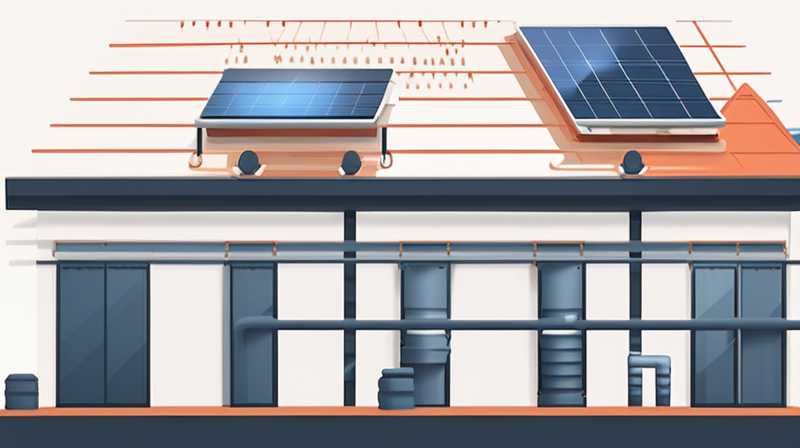
To effectively lay the pipes for solar energy on a rooftop, several key steps must be executed carefully to ensure efficiency, safety, and longevity of the solar heating system. 1. Comprehensive planning is essential for a successful installation, which includes evaluating the roof structure and sun exposure. 2. The selection of suitable materials that can withstand environmental factors is crucial for the system’s durability. 3. Proper connections and sealing techniques optimize energy transmission, preventing heat loss. 4. Adhering to local regulations and safety standards cannot be overlooked, as this ensures compliance and minimizes risks.
Implementation of these steps is vital for maximizing the benefits of roofing solar energy systems, providing cleaner energy options, and ensuring reliable service over time.
1. PLANNING AND DESIGN
The initial phase involves meticulous planning and design, which lays the groundwork for a successful solar energy pipe installation. Engaging in thorough site evaluation is paramount; examining the roof’s structural integrity will determine if it can support the added weight of a solar panel system. It’s important to assess the angle and orientation of the roof, as these factors significantly influence the effectiveness of solar energy capture.
Additionally, engineers must evaluate sun exposure throughout different times of the day and year. Observing the movement of the sun helps determine the optimal placement of solar panels to ensure maximum energy absorption. Working with solar design professionals can provide invaluable insights into how sunlight interacts with the particular architecture of the building, leading to a well-informed installation strategy.
A detailed layout should be created, outlining the placement of pipes and solar collectors. Incorporating future expansion into the design can enhance flexibility, allowing for potential system upgrades. Moreover, engaging with local authorities ensures that the design will comply with building codes and regulations, thereby avoiding future complications.
2. SELECTING APPROPRIATE MATERIALS
Choosing the right materials for piping is crucial in ensuring the longevity and efficiency of the solar energy system. High-quality insulation materials are essential to prevent heat loss in the pipes, especially during colder months. Insulation materials should be able to withstand weather extremes, such as high temperatures during summer and potential ice formation during winter.
Another consideration involves selecting pipes that are resistant to corrosion and UV radiation. Copper and PEX (cross-linked polyethylene) are often favored due to their durability. Copper pipes, while more expensive, offer excellent conductivity for heat transfer and have a proven track record in plumbing systems. Meanwhile, PEX offers flexibility and is easier to install, particularly in retrofitting scenarios.
When assembling the piping system, one should also consider the diameter and length of pipes to maintain optimal fluid flow. A comprehensive understanding of hydraulic principles is required to ensure that water can circulate freely without restriction, hence facilitating maximum heating efficiency. The selection of valves and fittings also plays a pivotal role, as improper connections could lead to leaks and system failures that increase maintenance costs.
3. INSTALLING SOLAR COLLECTORS AND PIPES
With proper materials chosen, the next step is to commence the installation process. Prior to starting, it’s advisable to secure all necessary permits and documentation to ensure project legality. Safety protocols must always be prioritized, including using harnesses and safety gear, especially when working at heights.
The installation guide typically begins with fixing solar collectors to the rooftop. The collectors must be positioned to capture sunlight effectively, according to the pre-established design. Utilization of mounting brackets can assist in securely holding the collectors in place. Ensuring proper tilt angles is crucial to maximize solar gain.
Following the placement of collectors, pipes are laid out according to the established design plan. Special attention needs to be given to the routing of the pipes; they should follow the shortest path possible to minimize energy loss while avoiding sharp bends that can restrict flow. Clear labeling of directions and sections of the piping system aids in reducing future maintenance complications.
After laying the pipes, it’s imperative to ensure that all connections are tightly sealed to prevent any leaks. This is typically accomplished using appropriate sealants or tape. Regular inspections during the installation process can prevent oversight that may result in costly repairs later on.
4. CONNECTING TO THE HEATING SYSTEM
Once the solar collectors and pipes are installed, the next crucial step involves connecting them to the building’s heating system. This involves integrating the solar thermal system with existing water heaters or heating systems within the home. Understanding the existing infrastructure is key to establishing a seamless connection.
This phase typically requires the installation of a heat exchanger; this component allows for efficient thermal transfer between the solar plumbing and the domestic water supply. Special attention should be paid to the placement of this heat exchanger, as it plays a crucial role in optimizing energy transfer and minimizing heat losses.
Following the installation, experimenting with mixing valves may be beneficial. Mixing valves regulate temperatures, ensuring that water flowing from the solar system does not exceed the threshold acceptable for domestic use, thereby preventing scalding. Implementing an appropriate thermostat can also facilitate the monitoring of attained temperatures, ensuring that the system operates optimally and allows for better energy conservation.
After all connections have been established, the overall system should undergo thorough testing to ensure functionality. This includes checking for any leaks in the piping and validating that the heat transfer system efficiently heats the water supply.
5. REGULAR MAINTENANCE OF THE SYSTEM
Having established the solar piping system, commitment to continual upkeep cannot be overstated. Regular maintenance schedules not only enhance performance but also extend the overall lifespan of solar energy systems. Periodic checks of all components are necessary to identify any potential issues before they escalate into major problems.
Key maintenance activities include inspecting connections for any signs of wear or leakage, especially in areas subject to extreme temperature fluctuations. Ensuring that the solar collectors are clean and free of debris is vital, as dirt and dust can significantly impair solar energy absorption. In regions with heavy rainfall, checking gutter systems is crucial to avoid water accumulation that could damage the roof or solar components.
Furthermore, monitoring the performance of the solar heating system allows users to gauge energy efficiency accurately. Should performance dips be observed, a detailed evaluation of the entire system is warranted. Engaging professionals for regular assessments can preemptively address issues which, if left unchecked, could lead to costly repairs and downtime.
Lastly, documenting maintenance tasks not only provides a history of system care but can also aid professionals who may need to perform repairs or upgrades in the future.
FAQs
WHAT KIND OF PIPES ARE BEST FOR SOLAR ENERGY INSTALLATIONS?
The effectiveness of solar energy installations hinges substantially on the choice of piping materials. Copper and PEX are considered optimal for various reasons. Copper pipes are favored for their superior thermal conductivity, which allows for efficient heat transfer, coupled with their durability, as they resist corrosion and other environmental factors. However, due to their higher cost and lower flexibility, they might present challenges during installation, particularly in tight spaces.
On the other hand, PEX pipes have emerged as a popular alternative, noted for their flexibility and ease of installation, especially in retrofit scenarios. They are resistant to scaling and corrosion but may require additional insulation to counter thermal loss, particularly in colder climates. Ultimately, the best type of pipes will depend on specific system requirements, budget, and environmental conditions.
IS PROFESSIONAL INSTALLATION NECESSARY, OR CAN IT BE A DIY PROJECT?
Though some enthusiasts might consider tackling solar energy pipe installation as a DIY project, it’s strongly advised to seek professional help for several reasons. Firstly, the complexity involved in assessing the structural integrity of roofs and ensuring proper design can pose significant challenges to those without extensive knowledge. Additionally, local regulations and safety codes must be adhered to, which can vary widely by location. Professionals are typically well-versed in these requirements, significantly reducing the risk of noncompliance.
Moreover, improperly installed systems can lead to leaks, inefficient energy absorption, and unnecessary costs for adjustments or repairs later on. Given the potential for safety hazards, especially when working at heights, enlisting skilled installers is often the most prudent choice for achieving a reliable solar energy system.
HOW DOES SOLAR PIPE INSTALLATION AFFECT HOME ENERGY BILLS?
The installation of a solar energy system with appropriate piping can significantly reduce energy bills, primarily by decreasing reliance on conventional heating systems. By harnessing renewable solar energy, homeowners can enjoy substantial savings, especially in regions with ample sunlight exposure. The initial investment in solar installation is often mitigated over time through reduced utility costs, as solar systems can efficiently supply substantial portions of hot water or heated airflow needed for residential purposes.
Additionally, various financial incentives, such as tax rebates and grants, may be available, further alleviating installation costs. The value proposition of integrating solar heat piping translates to a dual benefit of economic savings combined with the positive environmental impact of reduced fossil fuel consumption. Through careful planning and strategic implementation, many homeowners discover that the financial benefits far outweigh the initial expenditures.
**The successful installation of solar energy piping on rooftops necessitates a comprehensive approach that includes thorough planning, the careful selection of materials, meticulous installation techniques, and ongoing maintenance to ensure effectiveness. Key steps such as evaluating structural integrity, determining optimal layouts, and adhering to local regulations greatly impact system efficacy. Opting for quality materials, such as copper or PEX pipes, plays a critical role in achieving longevity and energy efficiency.
Connecting the piping to existing heating systems requires an understanding of blending technologies to ensure optimal performance, particularly through components like heat exchangers. Regular maintenance practices enhance system longevity and performance, warranting vigilance in checking for signs of wear, ensuring cleanliness, and documenting maintenance activities for effective servicing. With proper implementation, solar energy systems can not only lead to significant savings on energy bills but also contribute positively to the environment, reinforcing the importance of the transition to renewable energy sources for future sustainability.**
Original article by NenPower, If reposted, please credit the source: https://nenpower.com/blog/how-to-lay-the-pipes-for-solar-energy-on-the-roof/

