

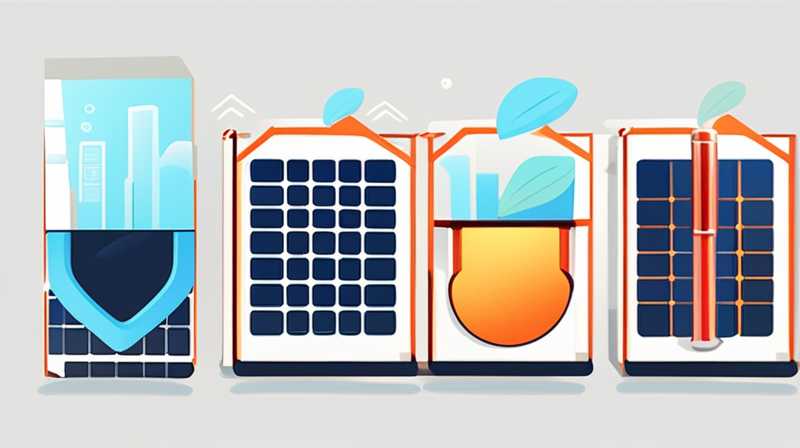
To maintain solar energy warmth and avoid freezing, various effective strategies may be employed. 1. Implement insulation techniques, 2. Utilize thermal mass materials, 3. Employ active heating systems, 4. Integrate advanced energy storage solutions. Notably, insulation techniques are paramount, as they significantly reduce heat loss, thereby retaining warmth and preventing freezing in colder climates. Proper insulation not only stabilizes temperatures within solar energy systems but also enhances overall efficiency. This enables optimal functioning of solar panels and solar heating systems even in challenging weather conditions.
1. UNDERSTANDING SOLAR ENERGY AND ITS CHALLENGES IN COLD CLIMATES
Solar energy harnessing involves capturing sunlight to generate heat or electricity. However, in colder climates, maintaining the warmth generated is crucial for effective energy utilization. One of the main challenges solar energy systems face is the loss of heat during freezing conditions, which can lead to a significant reduction in efficiency. Freezing temperatures can cause various issues, including decreased output from solar panels, potential damage to equipment, and additional energy costs incurred to reheat systems.
Understanding how solar energy systems function allows for the identification of several critical aspects that contribute to their performance during cold weather. The designs of these systems must provide adequate resistance to temperature fluctuations. Several components, including photovoltaic cells, heat exchangers, and thermal storage mechanisms, require careful consideration to optimize their performance in low-temperature environments. Being informed about these fundamental principles aids in devising effective strategies to preserve warmth within the system and mitigate the risks associated with freezing conditions.
2. EMPLOYING INSULATION TECHNIQUES
Insulation plays a pivotal role in maintaining warmth in solar energy systems. By minimizing heat transfer, insulation techniques help retain the generated warmth during chilly periods. Several forms of insulation, such as foam boards, fiberglass batt insulation, and reflective barriers, can be integrated into the design of solar energy systems to enhance heat retention.
Foam boards, for example, offer excellent insulation properties due to their high resistance to heat transfer. They can be utilized alongside solar panels or heating systems to create a protective barrier that prevents heat from escaping. Similarly, reflective barriers serve to reflect radiant heat back into a system, augmenting its overall thermal efficiency. These insulation materials must be strategically installed, particularly in areas that are prone to cold drafts or exposure to cold surfaces, to maximize their effectiveness.
Moreover, the insulation of piping systems connected to solar thermal collectors is essential to prevent heat loss during transportation. Insulating long pipelines minimizes energy waste and ensures more warmth reaches the desired end-use locations, such as swimming pools, hot water storage tanks, or residential heating systems. Through the meticulous application of various insulation techniques, the longevity and effectiveness of solar energy systems in cold weather can be significantly enhanced.
3. UTILIZING THERMAL MASS MATERIALS
The integration of thermal mass materials can dramatically improve the capacity of solar systems to retain warmth. Thermal mass refers to materials that absorb and store heat during the day and release it during cooler periods. Common examples of thermal mass materials include concrete, brick, and water containers, all of which can be strategically employed within a solar energy setup.
For instance, concrete walls or floors installed in proximity to solar collectors can absorb surplus heat generated during sunny hours. Once nighttime arrives, these materials slowly release the stored warmth, thereby stabilizing indoor temperatures and reducing reliance on additional heating sources. The choice of materials is crucial for maximizing efficiency; heavier materials with higher specific heat capacities tend to perform better in heat retention compared to lighter alternatives.
In addition to conventional thermal mass implementations, utilizing water as a thermal mass is gaining popularity. Water has a remarkable capability to store heat energy, making it an effective medium in passive solar designs. By incorporating large water tanks into the design of solar heating systems, homeowners can create a buffer that absorbs excess heat generated during the day and releases it during colder nights. This method not only aids in maintaining warm conditions but also contributes to reducing energy costs significantly.
4. INCORPORATING ACTIVE HEATING SYSTEMS
Active heating systems can enhance the performance of solar energy frameworks during freezing conditions. These systems consist of mechanical components such as pumps, fans, and controls that actively distribute heat within the solar energy setup. By utilizing advanced control strategies, these components allow for better temperature regulation and can respond dynamically to changing weather conditions.
For instance, integrating a heat pump into a solar thermal system can offer significant benefits during cold weather. Heat pumps work by transferring heat from outside air or ground sources into the building. Despite freezing temperatures, heat pumps can extract enough ambient heat to maintain indoor warmth, ensuring efficient utilization of the solar energy captured.
Furthermore, pairing active heating systems with sensors can optimize heat generation. Sensors can monitor temperature fluctuations and activate supplementary heating mechanisms when necessary, ensuring that the solar energy system operates at peak efficiency. This approach reduces the likelihood of energy wastage and minimizes operational costs during the winter months. Therefore, the incorporation of advanced active heating solutions can dramatically improve the resilience of solar energy systems against cold weather challenges.
5. INTEGRATING ADVANCED ENERGY STORAGE SOLUTIONS
Advanced energy storage solutions are crucial for maintaining the efficiency and effectiveness of solar energy systems during extreme cold conditions. The integration of high-capacity batteries can store excess energy generated during the day for use during nighttime or when temperatures drop. This capability ensures that solar systems can continue functioning optimally even when sunlight is limited.
Various storage options exist, including lithium-ion batteries, flow batteries, and thermal storage systems. Lithium-ion batteries are among the most popular due to their high energy density and longer life spans. They are capable of storing large amounts of energy, facilitating the use of solar energy without dependence on immediate sunlight availability. Flow batteries, while less common, offer scalability and a longer duration of discharge compared to conventional battery technologies, making them suitable for larger solar energy setups.
Additionally, thermal storage systems can be an advantageous choice for retaining heat within a solar thermal framework. By accumulating heat during sunny days and releasing it during cold nights, these systems play an integral role in ensuring steady warmth is maintained even when external temperatures plummet. Opting for the right energy storage solution based on individual system requirements, location, and budget can significantly enhance the resilience and efficiency of solar energy systems in harsh weather conditions.
FREQUENTLY ASKED QUESTIONS
WHAT ARE THE BEST INSULATION METHODS FOR SOLAR ENERGY SYSTEMS?
Several effective insulation methods can be employed to retain warmth in solar energy systems. Using materials such as foam boards, fiberglass batt insulation, and reflective barriers helps minimize heat transfer and enhance overall efficiency. It is imperative to install insulation strategically around vulnerable areas, such as piping and around solar collectors, to create a warm environment conducive to optimum performance. Additionally, selecting insulation with a high R-value—indicating effective thermal resistance—ensures that heat loss is minimized across the entire system. Regular assessments should also be conducted to ensure that insulation remains intact and effective over time.
HOW CAN THERMAL MASS BE USED EFFECTIVELY IN SOLAR SYSTEMS?
To utilize thermal mass effectively within solar systems, the choice of materials and their placement is crucial. Substantial materials such as concrete, brick, and water can absorb heat during sunny periods and release it during cooler times. Install thermal mass elements in direct sunlight paths so they can store maximum heat. For optimal results, it is advisable to balance the amount of thermal mass to avoid overheating; too much could disrupt warmth retention strategies. Local climate conditions should guide how thermal mass is applied, ensuring designs are tailored to the specific thermal dynamics of the region.
HOW DOES AN ACTIVE HEATING SYSTEM FUNCTION WITH SOLAR ENERGY?
An active heating system utilizes mechanical components that distribute warmth generated by the solar energy framework. These systems typically incorporate pumps, fans, and temperature sensors to monitor conditions and optimize the heating process. When temperatures drop below a specific threshold, sensors trigger these components to activate and maintain interior warmth. By employing active systems alongside solar thermal designs, users can achieve enhanced temperature regulation and greater comfort outcomes. Additionally, this synergy maximizes energy harvesting, allowing solar systems to perform efficiently even in adverse weather conditions.
Ultimately, maintaining warmth in solar energy systems and preventing freezing requires a multifaceted approach that leverages effective insulation strategies, thermal mass integration, active heating solutions, and advanced energy storage technologies. Each component must work harmoniously, contributing to an overall system that not only meets energy demands but also withstands the challenges posed by cold weather. Proper implementation of these techniques ensures that solar energy systems operate effectively, promoting sustainability and optimizing energy savings. Investing the effort into understanding and applying these strategies results in a resilient operation that enhances the longevity and efficiency of solar energy investments, particularly in regions subject to freezing conditions. Therefore, individuals seeking to harness solar power must prioritize these considerations to ensure a successful transition to renewable energy and a commitment to eco-friendly practices in the face of climate challenges.
Original article by NenPower, If reposted, please credit the source: https://nenpower.com/blog/how-to-keep-solar-energy-warm-and-prevent-freezing/

