

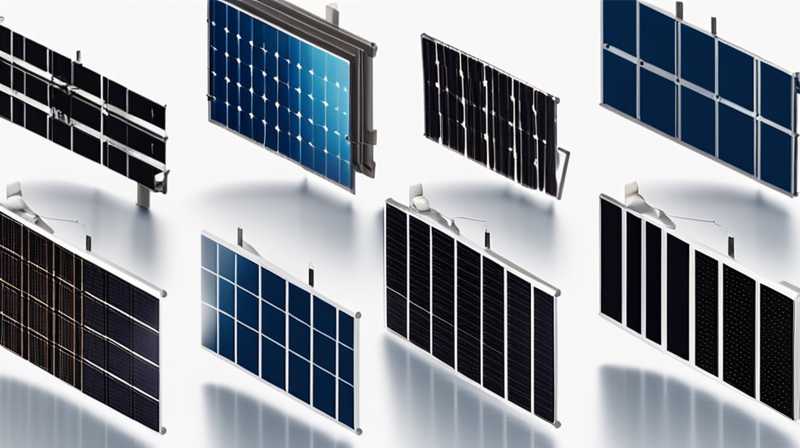
To install stainless steel sheets for solar panels, one must follow a systematic approach to ensure proper functionality and longevity. 1. Selection of appropriate materials, 2. Preparation of the installation site, 3. Installation of the stainless steel sheets, 4. Final inspection and maintenance are crucial components. Among these, preparation of the installation site is essential as it ensures the longevity of both the solar panels and the stainless steel sheets. This involves clearing debris and ensuring the surface is level and capable of supporting both the weight and the weather challenges over time.
1. UNDERSTANDING STAINLESS STEEL SHEETS
Stainless steel sheets have gained popularity in various applications, including the renewable energy sector. Their unique properties, such as corrosion resistance, high durability, and aesthetic appeal, make them an ideal choice for protecting solar panels. Recognizing the advantages of stainless steel sheets informs the installation process and aids in decision-making.
DURABILITY AND RESISTANCE
The remarkable durability of stainless steel sheets contributes to their effectiveness in protecting solar panels from environmental challenges. These sheets withstand harsh weather conditions, from intense sun exposure to heavy rain and snow. Their corrosion resistance is particularly vital, as this trait ensures that the sheets do not degrade or develop rust over time, which could compromise the integrity of the solar panel system.
AESTHETIC APPEAL
In addition to durability, stainless steel sheets offer a modern and sleek appearance. Their reflective surfaces often enhance the visual appeal of solar installations. When considering the aesthetic aspect of solar panels, many installers and homeowners choose stainless steel sheets to ensure their systems are not only functional but also visually pleasing. This is particularly important in residential areas or prestigious commercial properties where appearance can significantly influence overall property value.
2. PREPARATION OF INSTALLATION SITE
Before commencing the installation of stainless steel sheets, extensive preparation is required. This phase is critical as it lays the foundation for a successful and seamless installation. 1. Clearing the area of debris, 2. Ensuring a level surface collectively contribute to effective installation.
CLEARING THE AREA
This initial step entails removing any debris, vegetation, or obstacles that may obstruct the installation process. A clean workspace allows for safer movement and a more efficient workflow. Furthermore, eliminating debris helps to prevent any potential contamination of the installation materials. Ensuring a clear installation space also allows for better access to tools and materials, reducing the risk of accidents or errors.
ENSURING A LEVEL SURFACE
Following the clearing of debris, it is essential to assess and prepare the installation area for a level surface. An uneven foundation can lead to complications during the installation and affect the performance of the solar panels. Utilizing leveling tools or equipment to ensure the area is flat and structured correctly is vital for maximizing the efficiency of the solar energy system. Uneven surfaces can cause improper drainage, leading to the accumulation of water, which may result in corrosion over time. Thus, a level foundation is paramount for long-term success.
3. INSTALLATION PROCESS
With preparation complete, the installation process can now commence. There are several steps involved in this phase of the project, including 1. Measuring and cutting the stainless steel sheets, 2. Securing the sheets onto the panels effectively guarantees a solid structure.
MEASURING AND CUTTING
Prior to the installation of sheets, precise measurements must be taken to ensure an accurate fit. By utilizing measuring tapes and appropriate tools, installers can determine the correct dimensions necessary for the stainless steel sheets. The cutting of sheets should be performed using specialized tools to achieve clean and precise edges. Skilled professionals often recommend using shears or saws specifically designed for stainless steel, which can reduce the risk of damage during this delicate process.
SECURING THE SHEETS
Once cut, the stainless steel sheets need to be affixed to the solar panels. This process typically involves the use of adhesives, screws, or rivets depending on the installation environment and material used. It’s crucial to ensure that the sheets are secured firmly without causing damage to the panels themselves. The utilization of appropriate fasteners and techniques ensures that the sheets can withstand winds or other environmental conditions while providing protection.
4. FINAL INSPECTION AND MAINTENANCE
After successful installation, periodic inspections and maintenance form an essential part of the overall longevity and performance of solar panel systems. This stage encompasses 1. Routine checks for wear and tear, 2. Cleaning and upkeep to guarantee optimal efficiency.
ROUTINE CHECKS
Conducting regular inspections of the stainless steel sheets is vital in identifying potential issues that may arise over time. As environmental conditions change, elements such as rust, loose screws, or wear on the adhesive can compromise the installation. Establishing a routine for checks ensures any issues can be addressed promptly, preventing larger problems that could lead to costly repairs or unsafe conditions.
CLEANING AND UPKEEP
Lastly, maintenance of the stainless steel sheets includes cleaning to avoid the buildup of grime, salts, or other corrosive materials. Utilizing appropriate cleaning agents that are safe for metal surfaces ensures that the reflections and aesthetics of the sheets remain intact, while also preserving their protective qualities. Regular cleaning helps maintain the efficiency of solar systems by ensuring that panels remain unobstructed by environmental contaminants, thereby maximizing energy production.
Key Takeaways
As the installation of stainless steel sheets for solar panels fosters numerous advantages, incorporating considerations for each segment ensures both durability and aesthetic appeal over time. The meticulous approach in each phase fosters a seamless workflow and a successful project outcome.
5. COMMON INQUIRIES
WHAT ARE THE MAIN ADVANTAGES OF USING STAINLESS STEEL SHEETS FOR SOLAR PANELS?
Opting for stainless steel sheets in solar panel installations offers several compelling benefits. The foremost advantage is corrosion resistance, which significantly reduces maintenance needs over the lifespan of the installation. Unlike traditional materials, stainless steel does not rust, ensuring that protective layers remain intact regardless of weather conditions. Additionally, durability is a critical factor; these sheets can withstand deterioration from UV rays, wind, and rain. Another key advantage is aesthetic appeal; stainless steel complements modern architecture and enhances the visual aspects of solar panel systems, allowing them to blend seamlessly with various property styles. Lastly, the lightweight nature of stainless steel sheets simplifies installation procedures, ultimately making the project more efficient.
HOW OFTEN SHOULD MAINTENANCE BE PERFORMED ON STAINLESS STEEL SHEETS?
The frequency of maintenance and inspection of stainless steel sheets for solar panels is essential in ensuring optimal performance. Ideally, routine checks should be conducted at least twice a year—once in the spring and again in the fall—to identify any potential issues before they escalate. During these inspections, one should pay particular attention to signs of corrosion, deterioration in seals, or any debris buildup. In addition to seasonal checks, it’s prudent to inspect the sheets after extreme weather events, such as heavy storms or hail, to address any damage immediately. Moreover, consistent cleaning can be performed more regularly, depending on local environmental conditions, to remove accumulated dirt or contaminants that may affect the overall efficiency of solar panels.
CAN STAINLESS STEEL SHEETS BE RECYCLED AFTER USE?
Yes, stainless steel sheets are recyclable, making them an environmentally friendly option for solar panel installations. The recycling process involves collecting the used sheets and sending them to an appropriate recycling facility, where they can be melted down and reformed into new products. This attribute enhances the sustainability profile of using stainless steel in solar energy systems, as it reduces waste and the need for new raw materials. Furthermore, the durability of stainless steel contributes to its longevity, which means that the environmental footprint of its production materials and processes is minimized over time. Thus, choosing stainless steel for solar panel applications not only provides immediate benefits but also aligns with sustainable practices.
In summary, the installation of stainless steel sheets for solar panels requires careful planning, execution, and maintenance to ensure optimal performance and longevity. By understanding the underlying benefits of using stainless steel, preparing the installation area meticulously, executing the installation process efficiently, and conducting routine maintenance, property owners can maximize the value of their solar energy investments. Each phase of the process demands attention to detail, as the overall success hinges on the seamless integration of the sheets with the solar panels. Moreover, the aesthetic appeal and durability of stainless steel sheets significantly contribute to the effectiveness of solar systems, reinforcing the importance of making informed material choices. Property owners are encouraged to prioritize regular inspections and maintenance, thus fostering an environment where both solar panels and the materials protecting them perform at their best throughout their lifespan. The sustainability aspect of stainless steel also highlights the material’s recyclability, aligning solar energy practices with broader environmental goals. This thoughtful approach to integrating stainless steel sheets showcases the potential for enhanced efficiency and enduring value within the solar energy sector.
Original article by NenPower, If reposted, please credit the source: https://nenpower.com/blog/how-to-install-stainless-steel-sheets-for-solar-panels/

