

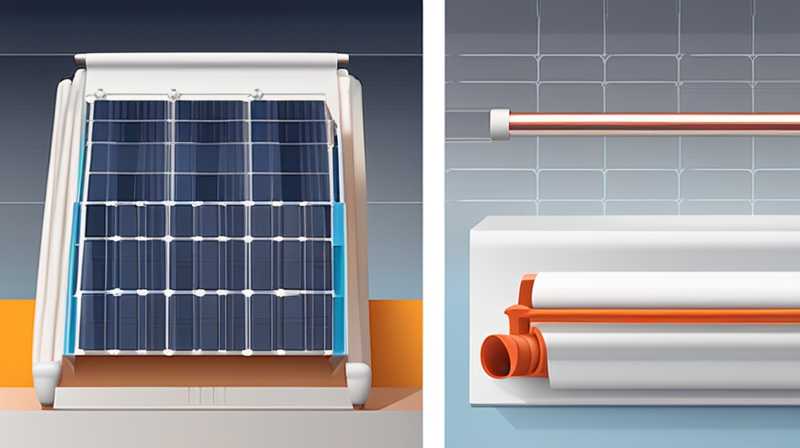
1. INSTALLATION PROCESS: The installation of solar thermal insulation pipe involves several crucial steps. 2. REQUIRED MATERIALS: Before commencing installation, gather all necessary materials. 3. PROPER PLACEMENT: Correct positioning of the pipes is essential for efficiency. 4. MAINTENANCE TIPS: Maintaining insulation pipes will prolong their lifespan and improve performance.
1. INSTALLATION PROCESS
To install solar thermal insulation pipe effectively, one must undertake a meticulous approach that encapsulates several essential steps. Begin by ensuring the area is clear of debris and any potential hazards that may hinder the installation process. Following this, it is pivotal to ascertain that the existing infrastructure can accommodate the new system without compromising stability. Preparing a comprehensive plan outlining the installation sequence as well as potential challenges often proves invaluable.
Once the area is prepped, measure the distinct lengths of the insulation pipe required for your specific setup. Taking accurate measurements ensures that all components will fit appropriately without excessive gaps or overlaps, which can result in thermal loss. Many professionals recommend using a pipe cutter for cleaner cuts when shortening the insulation materials, as precision guarantees an effective thermal seal.
2. REQUIRED MATERIALS
Having the right tools and materials is paramount for a successful installation. Essential items include high-quality insulation pipes designed for solar thermal applications, exterior fittings, adhesive materials, and aluminum foil tape. Ensuring the insulation pipes are rated for the thermal conditions expected throughout the year allows for enhanced durability.
Another significant aspect involves obtaining thermal insulation wraps or blankets. These supplemental materials enhance the overall effectiveness of the primary insulation pipes. Utilizing these wraps mitigates potential heat loss, particularly in extreme weather conditions. Collecting thermal adhesive or other sealing compounds that can withstand varying temperatures is equally crucial, as proper sealing will prevent air infiltration.
3. PROPER PLACEMENT
Choosing the right layout for the solar thermal insulation pipe significantly impacts the overall efficiency of the system. Before laying pipes, it is essential to conduct a thorough analysis of sunlight exposure in your area so that the installed system will maximize solar heat absorption. Placement should prioritize direct sunlight and minimal shading to optimize thermal collection.
Once the landscape is assessed, position the insulation pipes in a manner that promotes easy access for maintenance purposes. Ensuring that each section of the pipe is easy to inspect helps in identifying any potential issues early on. Furthermore, using appropriate fastening methods can prevent shifts in placement over time, maintaining the integrity of the system long-term.
4. MAINTENANCE TIPS
Sustaining the efficiency of solar thermal insulation pipes requires regular maintenance. Conducting weekly visual inspections can be beneficial in identifying any signs of wear or damage. Look for cracks, leaks, or any visible degradation of insulation material. Anomalies in performance, such as unexpected drops in temperature or heat output, should also prompt immediate inspection.
In addition to visual checks, cleaning the exterior of the insulation periodically helps avoid thermal loss caused by accumulated dust and debris. A gentle wash with soapy water followed by a thorough rinse can do wonders in maintaining optimal efficiency. Keeping a log of maintenance activities will also aid in prolonging the overall lifespan of the system while ensuring consistent performance.
FREQUENTLY ASKED QUESTIONS
WHAT ARE SOLAR THERMAL INSULATION PIPES?
Solar thermal insulation pipes are specialized conduits designed to transport heated fluids from solar collectors to storage tanks or distribution points. These pipes are highly insulated to minimize thermal loss as heat travels through them. The insulation materials used are durable and capable of withstanding significant temperature variations, which ensures that the heat is maintained until the fluid reaches its intended destination. The efficacy of these systems relies heavily on suitable installation and maintenance practices. Moreover, various factors such as the quality of insulation material, diameter of the pipes, and installation techniques can significantly affect overall performance. Ensuring that the insulation is installed correctly in a well-planned layout allows for optimized thermal energy transfer.
HOW DOES PROPER INSTALLATION AFFECT PERFORMANCE?
Proper installation plays a critical role in the performance of solar thermal insulation pipes. If pipes are poorly positioned or inadequately insulated, heat loss can occur, leading to decreased efficiency and increased energy costs. Additionally, improper installation can result in mechanical issues, such as pipe misalignments or leakages that compromise the entire system. To achieve peak efficiency, one must ensure that all joints are sealed appropriately and that there are minimal bends or kinks that could obstruct fluid flow. Regular assessments and maintenance of the installation will also contribute to its longevity, significantly impacting the operating costs associated with the solar thermal system.
WHAT INSUATION MATERIALS ARE MOST EFFECTIVE FOR SOLAR THERMAL PIPES?
When selecting insulation materials for solar thermal pipes, several options come into consideration. Materials such as polyisocyanurate, fiberglass, and rubber are known for their excellent thermal resistance and durability. Polyisocyanurate, for instance, exhibits a high R-value, making it one of the most efficient insulators available. Fiberglass is another popular choice due to its affordability and wide availability, though it may require additional protective coverings to prevent moisture absorption. Rubber insulation is praised for its flexibility and ease of installation, making it suitable for applications where precise fitting is crucial. The ideal material choice largely depends on the specific climatic conditions, budget, and desired thermal efficiency of the installed system.
For optimal performance of solar thermal insulation pipes, meticulous planning, execution of proper installation techniques, and ongoing maintenance are essential. Selecting the best materials, such as high-quality insulation, is crucial for minimizing thermal loss, which in turn maximizes efficiency over the lifespan of the installation. Conducting regular assessments and addressing potential issues promptly ensures the longevity and reliability of the system, thereby reducing operational costs.
In summary, installing solar thermal insulation pipes requires a comprehensive approach, starting from preparation through to execution and maintenance. With careful consideration of placement, selection of materials, proactive maintenance practices, and an understanding of operational efficiencies, homeowners and businesses can significantly benefit from sustainable energy solutions. This not only contributes to energy savings but also promotes environmental stewardship by utilizing renewable energy sources effectively. The growing demand for solar energy underlines the importance of proper installation techniques to enhance performance, and awareness of best practices is imperative for anyone looking to invest in solar technology. Thus, understanding how to effectively install solar thermal insulation pipes can transform energy usage and promote sustainable practices in heating and cooling applications.
Original article by NenPower, If reposted, please credit the source: https://nenpower.com/blog/how-to-install-solar-thermal-insulation-pipe/

