

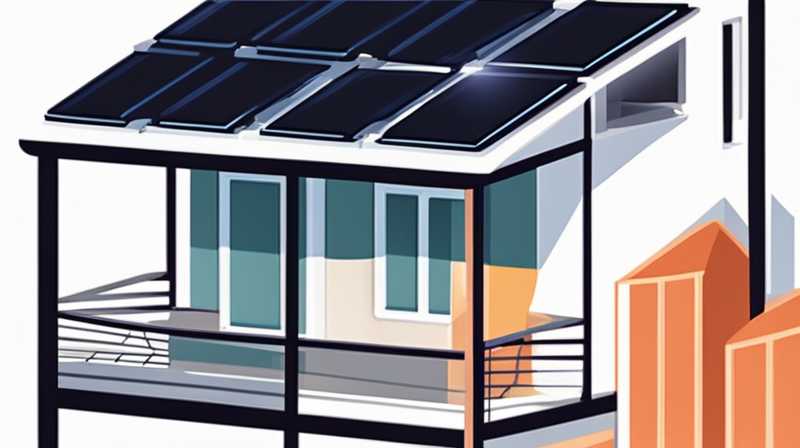
1. To install solar spotlights on a balcony, you need to identify suitable locations, select a high-quality product, and ensure necessary housing for the lights. 2. Analyze the angle of sunlight to maximize solar panel efficiency. 3. Secure the spotlights properly, considering aesthetic and practical aspects. 4. Regular maintenance of the lights enhances longevity.
1. UNDERSTANDING SOLAR SPOTLIGHTS
Solar spotlights are innovative outdoor lighting fixtures that utilize solar panels to harness sunlight, converting it into electrical energy stored in built-in batteries. These units function without the need for external wiring, making them an environmentally friendly and convenient choice for outdoor areas such as balconies. Their ability to enhance aesthetic appeal while providing illumination contributes to their growing popularity among homeowners.
When opting for solar spotlights, selecting models with adjustable brightness levels and motion detection features can significantly improve their functionality. For instance, a spotlight with adjustable brightness can provide ambient lighting during gatherings and brighter illumination for security purposes. Furthermore, motion detectors can conserve energy, ensuring illumination only when necessary. This multifaceted approach to outdoor lighting contributes to both utility and ambiance.
2. PREPARING FOR INSTALLATION
Assessing the balcony space is a crucial step before installation. Take note of the dimensions, layout, and existing obstacles such as furniture or planters that may obstruct the light. It is essential to choose spots that facilitate maximum exposure to sunlight, as this directly influences the performance of the solar-powered units.
The placement should consider aesthetic preferences, ensuring the spotlights enhance the balcony’s visual appeal rather than detract from it. Take time to visualize how the lights will fit within the overall design of the space. Consider not only the functional aspect of lighting but also how it complements the surrounding elements like plants, walls, and décor.
3. SELECTING HIGH-QUALITY SOLAR SPOTLIGHTS
Quality is paramount when selecting appropriate solar spotlights. Various models on the market boast different features, materials, and designs. Prioritize brands with a reputation for durability and performance. Look for features such as weather resistance and longevity of solar cells. The materials used in construction should withstand outdoor elements, including rain, heat, and cold.
Moreover, reading customer reviews can provide insights into the reliability of specific products. A thorough investigation will enable informed decisions when making a purchase. Selecting a reputable brand generally leads to superior product quality and longevity, enhancing the overall sustainability of the lighting solution. Once quality products are chosen, evaluating warranty offers also aids in ensuring long-term satisfaction with the purchase.
4. DETERMINING THE IDEAL LOCATION
A prime consideration prior to installation revolves around selecting the right location for the spotlights. Opt for spots that receive full sunlight for the majority of the day. Taking measurements assists in determining the best positions, ensuring solar panels charge effectively to illuminate the space at night.
It may also be beneficial to try out different angles and heights to assess how the light disperses throughout the area. Observing the impact during both daytime and nighttime hours reveals how effectively the lights function. This trial-and-error approach often leads to optimal placement, allowing for adjustments according to the specific design of the balcony and sunlight exposure throughout the day.
5. SECURING AND INSTALLING THE SPOTLIGHTS
Once the location has been identified and confirmed, the next phase involves fixing the spotlights in place. Most solar spotlights come equipped with stakes or brackets for secure mounting. For balcony installations, brackets offer enhanced stability, especially in windy conditions. Ensure that you fasten units snugly to avoid any risk of them being dislodged.
In addition, consider the angle of the spotlight. Tilting the light toward specific features like plants or seating areas adds a dramatic visual effect while illuminating desired sections effectively. Employing strategic positioning maximizes both the functionality and aesthetic appeal of the lights.
6. WIRING AND BATTERY MANAGEMENT
Although solar spotlights do not require conventional wiring, maintaining battery health is crucial. Check the battery specifications provided by the manufacturer, as this information dictates how long the lights will stay bright after sunset. Regularly inspect the batteries to ensure they are functioning correctly and replace them according to the manufacturer’s advice.
Additionally, clean the solar panels regularly to remove dust and debris that can hinder their performance. Keeping the solar panels unobstructed ensures efficient solar energy absorption, directly impacting the brightness and longevity of the lights. An effective maintenance routine helps in optimizing performance throughout the solar spotlight’s lifespan.
7. MAINTAINING LIGHTS FOR LONGEVITY
Sustaining the brilliance and efficiency of solar spotlights requires a commitment to regular maintenance. The accumulation of dust, dirt, and other environmental factors can impede solar performance significantly. Therefore, routine cleaning involves simply wiping down the solar panels with a soft cloth and gentle soap if necessary.
Also, periodically check for any signs of wear, such as dimming lights or fading batteries. Early intervention can prolong the lifespan of the fixtures significantly. When necessary, consult the product manuals for guidance on replacement parts or contact customer service for additional assistance.
8. ENHANCING AESTHETICS AND FUNCTIONALITY
Utilizing solar spotlights not only intends to provide lighting but also aims to augment the overall aesthetics of the balcony. Positioning these lights to highlight specific features such as architectural elements or landscaping contributes to a more inviting atmosphere. This illumination enhances night-time usability, allowing the space to be functional for evening gatherings.
Consider the use of dimmers or color-changing bulbs if available, creating an atmosphere that suits different occasions and personal preferences. Such flexibility in lighting not only beautifies the area but also caters to various activities, from lively social gatherings to serene, peaceful moments under the stars.
FAQs
HOW LONG DO SOLAR SPOTLIGHTS LAST?
Solar spotlights typically have a lifespan associated with their batteries and LED bulbs. Good-quality solar lights can last up to 3-5 years, whereas some durable models may exceed this timeframe with proper maintenance. The battery, usually lithium-ion or lead-acid, may require more frequent replacement after 1-3 years, depending on usage and exposure to sunlight. The LED bulbs themselves often last around 25,000 hours or more, making them a long-term lighting solution if adequately cared for. Regular cleaning, ensuring solar panel exposure, and replacing batteries when they fail can significantly influence longevity.
CAN SOLAR SPOTLIGHTS WORK IN PARTIAL SUNLIGHT?
Specific models of solar spotlights are designed to perform adequately even with partial sunlight exposure. While they ideally function best in areas receiving full sun for most of the day, many modern options come with advanced solar technology, allowing them to charge effectively even in conditions of limited or intermittent sunlight. Nonetheless, the duration and brightness may diminish under inadequate solar exposure compared to those situated in full sunlight. Therefore, it is wise to review the specifications and features of potential purchases to ensure they meet your usage requirements in your unique location.
ARE SOLAR SPOTLIGHTS WATER-RESISTANT?
Most solar spotlights are designed to be water-resistant, enabling them to withstand various weather conditions like rain or snow. However, “waterproof” and “water-resistant” are not synonymous; thus, choosing models with specific waterproof ratings is essential. A rating of IP65 or above generally indicates suitability for outdoor environments. It’s advisable to refer to the manufacturer’s specifications to ascertain the exact level of protection against moisture. Proper placement and maintenance can further safeguard the lights against potential water damage, enhancing overall product longevity.
The advantage of using solar spotlights on your balcony extends beyond mere illumination.
They serve as a sustainable lighting solution, reducing electricity costs while promoting environmental awareness through renewable energy use. In essence, solar lights effectively blend functionality with style, ensuring that outdoor spaces are as inviting at night as they are during the day. The process of installation is not only straightforward but also adaptable, allowing for personalized designs that reflect individual tastes and preferences. Furthermore, understanding the maintenance requirements is imperative, as proactive care significantly impacts their efficiency and durability.
Utilizing high-quality solar products ensures that your investment continues delivering value over the years. With the growing focus on sustainable living, opting for solar lighting solutions reflects a commitment to environmental responsibility without sacrificing style or convenience. Lastly, leveraging the above guidelines aids in mastering the installation and optimization of solar spotlights, ultimately transforming your balcony into a beautiful, well-illuminated haven that adds charm to any evening gathering.
Original article by NenPower, If reposted, please credit the source: https://nenpower.com/blog/how-to-install-solar-spotlights-on-the-balcony/

