

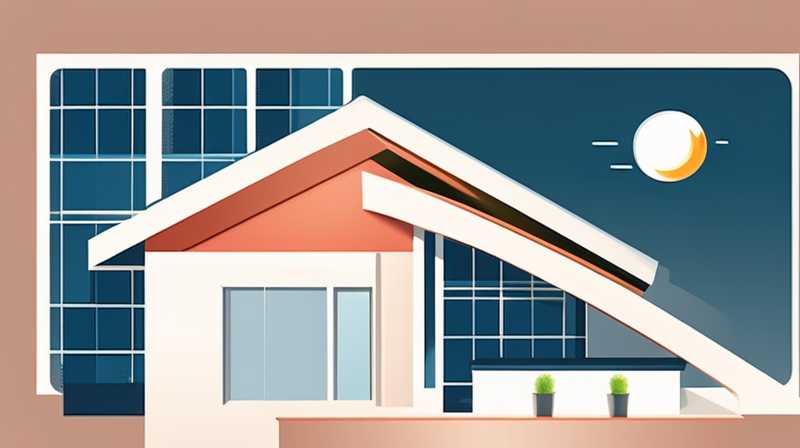
Installing solar energy systems on eaves can significantly enhance energy efficiency and sustainability. 1. Ensure correct measurement and orientation of the eaves, 2. Select suitable solar panels based on space and energy needs, 3. Understand local regulations and obtain necessary permits, 4. Implement a safe and efficient installation process with attention to wiring and connection. The orientation of the eaves plays a critical role in maximizing sunlight exposure, as panels must be positioned to capture the most solar radiation throughout the day. Proper decisions regarding equipment and methods must be made to sustain both residential and commercial energy solutions effectively.
1. EAVES DESIGN AND ORIENTATION
The eaves’ design significantly impacts the efficiency of solar energy installations. Eaves can vary considerably in architectural design, and their orientation will dictate how much solar exposure the panels will receive. Orientation towards the south (in the Northern Hemisphere) is ideal for maximizing sunlight throughout the day. This positioning can capture solar radiation more effectively, leading to higher conversion rates for solar panels.
Moreover, consideration of the overhang dimensions is crucial. Overly long eaves can obstruct sunlight during certain times of the day, particularly in the mornings and late afternoons. Therefore, it is advisable to assess the eaves’ length and angle. Installation brackets and mounting systems should be selected accordingly, ensuring that panels remain unobstructed while achieving optimal alignment. Engaging with professionals who understand the nuances of local geography can lead to better decisions regarding placement and installation techniques.
2. SELECTION OF SOLAR PANELS
Choosing the appropriate solar panels for eave installation requires careful evaluation of several factors. The types of solar panels available include monocrystalline, polycrystalline, and thin-film, each boasting distinct advantages and drawbacks. Monocrystalline panels are often favored due to their higher efficiency ratings and compact size, making them suitable for limited space on eaves. Conversely, polycrystalline panels may present a cost-effective alternative but typically consume more space for the same energy output.
It is also pivotal to assess the energy needs of the household or business. Performing an energy audit will help determine how much power is necessary to offset existing utility costs. By understanding usage patterns and peak consumption times, a suitable array size can be designed. With diverse panel sizes and wattage ratings available, the optimal choice should correlate with the unique requirements and space limitations presented by the eaves’ architecture.
3. REGULATIONS AND PERMITS
Before embarking on an installation journey, one must navigate through local regulations and guidelines concerning solar energy systems. Understanding local zoning laws ensures compliance with any restrictions regarding solar panel installations. Regulations can vary widely from state to state or even city to city, underscoring the importance of research.
Obtaining the necessary permits is also crucial for operating within legal parameters. Some regions may mandate inspections before installation begins, while others may require post-installation checks to guarantee safety and compliance. Engaging with local authorities or a reputable solar installation company can greatly facilitate this process, ensuring that all criteria are met and documented properly. Compliance protects homeowners’ investments and contributes positively to the broader community by promoting sustainable energy practices.
4. INSTALLATION PROCESS AND SAFETY CONSIDERATIONS
Executing the installation of solar panels on eaves involves meticulous attention to detail to ensure safety and functionality. The right tools and equipment are paramount, and many professionals recommend utilizing a certified installer who is familiar with eave frameworks and solar technologies. Safety precautions should be top priority, including ladder safety practices, harnesses, and secure mounting procedures to avoid accidents. Proper safety training must be undertaken by anyone involved in the installation process.
After ensuring a safe workspace, the actual installation process will involve mounting the solar panels securely to the eaves. Additionally, wiring must be executed properly to connect the solar panel system to the inverter and the home’s electrical system. Employing high-quality materials, such as UV-resistant cables and weatherproof connections, can extend the system’s lifespan and enhance overall performance. Testing and inspecting the entire system post-installation should be conducted to verify its efficiency and safety. A proficient installation culminates in a long-lasting renewable energy solution that reflects careful planning and execution.
FREQUENTLY ASKED QUESTIONS
WHAT TYPES OF SOLAR PANELS ARE BEST FOR EAVES?
Choosing the best solar panels for installation on eaves often depends on available space, aesthetic preferences, and energy needs. Typically, monocrystalline panels are recommended as they possess higher efficiency rates, producing more electricity per square foot, which is especially valuable in constrained spaces like eaves. Their sleek black appearance can be more visually appealing and blend well with various roof styles.
On the other hand, polycrystalline panels present a more affordable option, albeit with larger dimensions and slightly lower efficiency. For those with ample space, thin-film panels could also be considered, albeit they usually require more area to achieve the same power output. Evaluating individual energy consumption and aesthetic desires is vital when navigating these options. Consulting with a qualified solar energy expert can streamline the process and ensure that the selected panels align with unique requirements related to the eaves.
HOW DO I MAINTAIN SOLAR PANELS INSTALLED ON EAVES?
Maintenance of solar panels on eaves is essential to ensure optimal performance and longevity. One major aspect of upkeep is regular cleaning. Solar panels can accumulate dirt, debris, and even bird droppings, compromising efficiency. For eave-mounted panels, cleaning may require careful access arrangements. If the installation poses safety concerns—like height—consider hiring professionals to perform this task routinely.
Furthermore, it is vital to monitor the panels’ output regularly using an inverter monitoring system. Should any sudden drops in performance occur, it might indicate potential issues requiring immediate inspection. Additionally, engaging in periodic professional servicing of the system can identify wear and tear before it can affect overall productivity. Regular maintenance practices lead not only to prolonged panel life but also to sustained energy savings over time.
CAN SOLAR PANELS BE INSTALLED IN WINTER?
Indeed, solar panels can be installed in winter under optimal conditions. While frigid temperatures can pose challenges, they do not preclude the possibility of installation. In fact, winter can provide clearer skies and add to the overall efficiency of solar panels since cold temperatures can enhance their performance. However, installers should pay attention to potential hazards, such as icy surfaces and limited daylight hours, which could hinder progress.
Moreover, working with a certified solar installation company can streamline the process, as they possess the experience needed to navigate weather-related challenges effectively. Preparation for inclement weather should be a priority, as wind and snow can affect safety and installation timelines. Nonetheless, with careful planning, winter installation can be just as effective as summer, enabling homeowners to enjoy the benefits of renewable energy sooner.
In summary, embracing solar energy on eaves requires a consideration of numerous elements for success. Enhanced designs and optimal orientation improve efficiency, while specific panel selection adjusts to space and requirements. Regulatory awareness ensures compliance, laying the groundwork for a safe and effective installation process. Overall maintenance practices ensure that the systems continue to operate optimally over their prolonged lifespan. Furthermore, understanding the intricacies involved aids in realizing a seamless transition to utilizing solar energy, ultimately fostering both economic and environmental benefits. Adopting solar energy on eaves not only signals a commitment to renewable energy; it embodies a vision for a more sustainable future.
Original article by NenPower, If reposted, please credit the source: https://nenpower.com/blog/how-to-install-solar-energy-on-the-eaves/

