

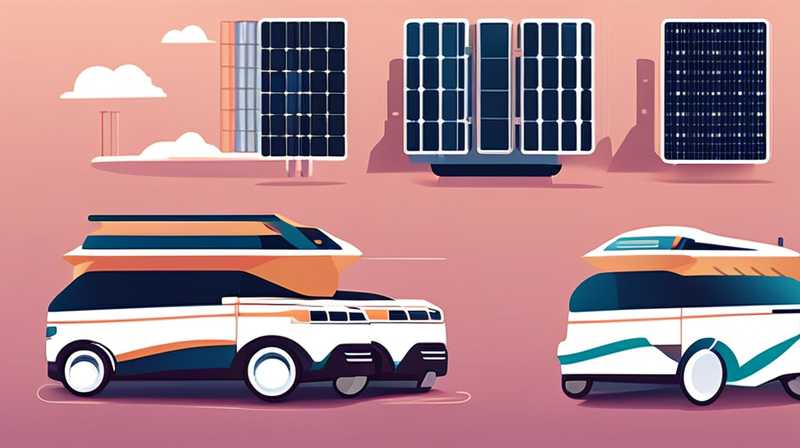
To successfully install solar energy systems on sightseeing cars, one needs to follow several crucial steps. 1. Assess the power requirements, 2. Choose suitable solar panels, 3. Install mounting brackets securely, 4. Connect the solar panels to the battery system, 5. Incorporate charge controllers, 6. Test the entire system. A detailed examination of power needs is particularly essential, as it dictates the size and type of solar panels and batteries required for optimal performance. Understanding the energy consumption of various components within the sightseeing car ensures a well-planned installation that meets the vehicle’s operational demands effectively.
1. ASSESSING POWER REQUIREMENTS
Before embarking on the installation process, one must perform a thorough assessment of the power requirements for the sightseeing car. This evaluation involves calculating the total wattage needed to operate all electronic devices, including lighting systems, air conditioning, and onboard entertainment features.
To begin, it is essential to identify the specific devices that will require power. By summing their wattage, a clear picture of the overall energy consumption emerges. For example, if the lighting system consumes 60 watts, the air conditioning system uses 150 watts, and additional devices draw 90 watts in total, the overall requirement amounts to 300 watts. This figure is crucial when selecting the appropriate solar panels and battery systems to ensure they can supply sufficient energy without interruption.
Additionally, one must consider the geographical location and typical weather patterns of the sightseeing routes. Areas with abundant sunlight require fewer panels or smaller battery systems than those in regions with sporadic sun exposure. By accurately assessing the power needs, the installation plan can be tailored effectively to guarantee a reliable energy source for the sightseeing car.
2. CHOOSING SUITABLE SOLAR PANELS
Once the power requirements have been determined, selecting appropriate solar panels is the next step. Various types of solar panels are available, including monocrystalline, polycrystalline, and thin-film cells. Each option has unique characteristics, making them suitable for different applications.
Monocrystalline panels are known for their high efficiency and performance, especially in low-light situations. These panels are made from high-purity silicon and can produce more energy in smaller spaces compared to their counterparts. Therefore, if the sightseeing vehicle has limited roof space, these solar panels may be the optimal choice. Despite their higher cost, their long-term energy yield often justifies the initial investment.
On the other hand, polycrystalline panels, which consist of multiple silicon crystals, are typically less expensive and have slightly lower efficiency. If budget constraints are a primary factor, these panels can still effectively meet energy needs, provided enough surface area is available. Another option, thin-film solar cells, are more flexible and lighter but produce less energy per square foot, making them less ideal for applications where space and efficiency are essential.
3. INSTALLING MOUNTING BRACKETS SECURELY
The installation of mounting brackets for the solar panels is a significant phase in the process. Properly securing solar panels to the roof of a sightseeing car ensures stability and enhances longevity. Several factors should be considered during installation.
Firstly, selecting the correct type of mounting bracket is vital based on the type of solar panel chosen and the vehicle’s roof design. Fixed mounts are typically used for flat rooftops, while adjustable mounts may be necessary for sloped surfaces to ensure the panels are positioned optimally toward the sun.
After choosing the suitable bracket type, ensure that the installation lasts by adhering to the manufacturer’s instructions meticulously. Utilize strong, corrosion-resistant materials to help withstand harsh environmental conditions, such as rain, wind, and extreme temperatures. Providing adequate support and alignment reduces potential movement or vibration during travel, which might lead to detachment or damage over time.
4. CONNECTING THE SOLAR PANELS TO THE BATTERY SYSTEM
Once the solar panels are securely mounted, the next critical step involves connecting them to the vehicle’s battery system. This connection is necessary to store the energy generated during sunlight hours for use during nighttime or overcast conditions.
Primarily, it is essential to utilize a suitable charge controller. This device regulates the voltage and current coming from the solar panels to the batteries, preventing overcharging, which can harm battery life. A hybrid charge controller may be necessary if the car employs both solar energy and an external power source.
When connecting the solar panels to the batteries, it is crucial to ensure that the wiring is appropriately rated for the system’s power output. Using heavy-gauge wiring minimizes power loss and maximizes energy efficiency. Furthermore, proper fuses or circuit breakers should be employed to protect the system from electrical faults. After completing the connections, thorough testing is vital to confirm that energy is flowing correctly and safely to the batteries.
5. INCORPORATING CHARGE CONTROLLERS
After connecting the solar panels to the battery system, the incorporation of charge controllers is fundamental for regulating energy flow. Charge controllers ensure that the batteries receive appropriate voltage levels, which is critical for maintaining their health and lifespan.
There are primarily two types of charge controllers: PWM (Pulse Width Modulation) and MPPT (Maximum Power Point Tracking). PWM controllers are generally more affordable and ideal for smaller systems, while MPPT controllers offer increased efficiency by optimizing solar panel output, particularly beneficial in larger setups. Choosing the right type of charge controller directly impacts the overall performance and efficiency of the solar energy system.
Regular maintenance of the charge controller is also required to ensure proper functioning. This can include cleaning connections, checking for any signs of wear or damage, and monitoring system performance using built-in indicators or digital displays. By adequately incorporating and maintaining charge controllers, a longer lifespan and sustained energy production can be achieved.
6. TESTING THE ENTIRE SYSTEM
Completing the installation of the solar energy system includes thorough testing to verify its effectiveness. The tests confirm that all components work harmoniously and that the energy generated meets the power requirements established at the outset.
Start by checking the solar panel output with a multimeter to ascertain proper energy generation levels. Each panel should be inspected individually to identify any potential issues that may lead to underperformance. Following this, assess the voltage and current levels at the battery to ensure they fall within safe tolerances.
Additionally, monitor the system during real-world operation to identify performance discrepancies. Observe how the energy is stored and discharged during use, especially under varying weather conditions. Documenting these ongoing measurements can facilitate future maintenance and troubleshooting. By conducting comprehensive testing, one can ensure reliable functionality and the effectiveness of the solar energy system installed on the sightseeing car.
FREQUENTLY ASKED QUESTIONS
HOW MUCH ENERGY CAN SOLAR PANELS GENERATE ON SIGHTSEEING CARS?
The energy generated by solar panels on sightseeing cars heavily depends on several factors, including the size and type of solar panels, geographic location, and available sunlight. A general rule of thumb is that a standard 300-watt solar panel can produce about 1.5 to 2 kilowatt-hours (kWh) daily in sunny areas, translating to around 900 to 1500 kWh a year. Given the energy requirements of typical sightseeing vehicles, often ranging from 200 to 800 watts for essentials like lighting and air conditioning, strategically determining the number of panels needed is crucial. Careful calculation and selection allow sightseeing cars equipped with solar panels to run most systems independently, substantially reducing reliance on traditional energy sources and minimizing operating costs.
WHAT ARE THE COSTS ASSOCIATED WITH INSTALLING SOLAR POWER SYSTEMS IN SIGHTSEEING CARS?
The costs tied to installing solar power systems on sightseeing vehicles can vary significantly based on several parameters. Initially, the price of solar panels can range from $0.50 to $1.50 per watt, alongside additional expenses such as mounting hardware, charge controllers, batteries, and installation labor. A standard setup may range from several hundred to a few thousand dollars, influenced by the vehicle’s energy needs and the total wattage of solar panels used. Additionally, ongoing maintenance, replacement parts, and potential upgrades should also be considered in budget assessments. Overall, investing in solar power systems can often yield long-term savings by reducing fuel costs and providing a more stable and environmentally friendly energy source.
HOW LONG DOES IT TAKE TO INSTALL SOLAR SYSTEMS IN SIGHTSEEING CARS?
The duration for installing solar energy systems on sightseeing cars can vary depending on the complexity of the project and the installer’s expertise. A straightforward installation, assuming all necessary components are readily available, may take anywhere from one to three days. Initial preparations, including assessing power needs and selecting solar panels, usually precede the physical installation, adding additional time. On the other hand, more complex systems requiring customization or significant adaptations to the vehicle’s structure may take several days to complete. Therefore, it is essential for vehicle owners to work alongside professional installers to determine realistic timeframes and ensure a smooth and efficient installation process.
The endeavor of installing solar energy systems on sightseeing cars presents a unique opportunity for enhancing sustainability within the transportation sector. Emphasizing a series of vital steps ensures an effective and seamless transition to renewable energy. From judiciously assessing power requirements, selecting the right panels, and ensuring robust connections to incorporating effective charge controllers and performing thorough system testing, each phase significantly influences overall performance and reliability. The implementation of solar energy not only offers substantial financial savings over time but also contributes positively toward environmental conservation efforts, which is increasingly important in today’s world. By prioritizing sustainable practices, sightseeing companies can appeal to environmentally conscious consumers, thereby expanding their market reach. Ultimately, the journey to installing solar energy systems in sightseeing cars is not merely a procedural undertaking but serves as a substantial commitment to advancing eco-friendly initiatives while providing reliable and enriching travel experiences for passengers. Through careful planning, execution, and ongoing maintenance, optimal functionality can be ensured, paving the way for a greener future in the transportation industry.
Original article by NenPower, If reposted, please credit the source: https://nenpower.com/blog/how-to-install-solar-energy-on-sightseeing-cars/

