

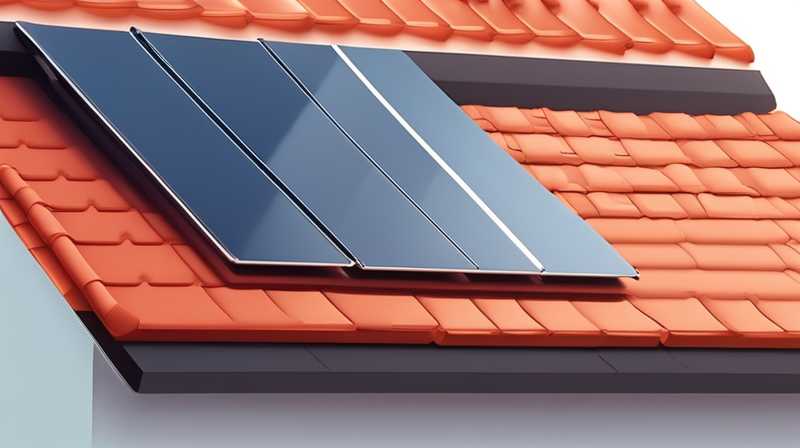
To install solar energy on a colored steel tile roof, you need to follow several critical steps: 1. Assess the roof’s structural integrity and orientation, 2. Select appropriate solar panel technology, 3. Engage qualified professionals for installation, 4. Understand local building codes and regulations. It’s essential to conduct a thorough evaluation of your roof, including its ability to support solar panels and the optimal angle for sun exposure. Solar panels come in various forms; choosing the right type is crucial for efficiency and aesthetics. Partnering with experienced contractors ensures a seamless installation process that adheres to all necessary legalities. This foundational knowledge enables homeowners to transition to renewable energy confidently.
1. ROOF ASSESSMENT
Evaluating the roof’s structure is a vital first step. It is imperative to determine whether the roof can support the additional weight of solar panels and related equipment. Many roofs, specifically made from colored steel, may already feature an adequate design. However, even durable steel roofing should be evaluated for any potential issues, such as corrosion or structural wear. Engaging with a qualified inspector can unveil insights about the roof’s integrity, which is pivotal in making informed decisions regarding solar panel installation.
Moreover, the orientation and angle of the roof can significantly influence solar energy efficiency. South-facing roofs typically capture more sunlight throughout the day, rendering them ideal for solar panel placement. Meanwhile, east- or west-facing roofs may still be viable options but may require additional panels to achieve desired energy outputs. Understanding these nuances allows homeowners to maximize their investment and ensures a higher likelihood of electricity generation.
2. CHOOSING SOLAR TECHNOLOGY
Once the roof evaluation is complete, selecting the appropriate solar technology becomes paramount. Different solar panel types, such as monocrystalline, polycrystalline, and thin-film panels, have specific features that cater to varied requirements. Monocrystalline panels are known for their high efficiency and durability, making them an excellent choice for limited space. Alternatively, polycrystalline panels tend to be more affordable; however, they require more space for installation due to lower efficiency rates.
Thin-film solar panels are another option, known for their lightweight design and flexibility. These panels can be advantageous for roofs that cannot support heavy loads. Selecting the right type depends not only on the specific roof type but also on energy requirements, budget, and aesthetic considerations. Consulting with experts who understand the nuances of each type can tremendously aid in making an informed decision that aligns with personal needs and preferences.
3. ENGAGING PROFESSIONAL INSTALLERS
Regardless of the chosen technology, hiring qualified professionals for installation is essential. This step minimizes risks associated with incorrect installation, which could lead to decreased system efficiency or damage to the roof structure. Professionals bring specialized knowledge and experience, ensuring that all components are installed correctly and function optimally.
Moreover, certified solar installers often possess familiarity with local regulations and building codes that govern solar panel installations. This understanding is crucial for obtaining permits and ensuring compliance with safety standards. Reputable contractors will typically offer warranties for their work, providing additional peace of mind post-installation. Therefore, thoroughly researching potential installers—reviewing testimonials, obtaining quotes, and assessing their affiliations with recognized organizations—can yield significant benefits in the long run.
4. UNDERSTANDING REGULATIONS
Addressing local building codes and regulations is imperative in the solar energy installation process. Each locality has its own set of rules that govern aspects such as roof load limitations, setbacks, and electrical connections. Non-compliance may result in costly fines or the need for costly workarounds, which can derail the intended benefits of the solar installation.
Understanding the required permits is another essential aspect. Most places only require building or electrical permits, but some areas might have more stringent regulations. Engaging with local authorities or even consulting with an experienced installer can provide clarity on necessary documentation. This diligence not only ensures compliance but also helps to eliminate potential delays in the installation process. In conclusion, being proactive about understanding regulations facilitates a smoother solar energy transition.
FAQs
HOW DOES SOLAR INSTALLATION AFFECT MY ROOF?
Installing solar panels can have various effects on your roof. Professionally installed panels typically do not compromise the structural integrity of the roof. However, it is crucial to ensure that the installation is conducted correctly to avoid any potential leaks or damage. Correctly installed panels create minimal openings, but the mounting system must secure the panels while preserving roof materials. Regular maintenance of both the solar system and the roof helps ensure longevity and optimal performance. If you’re concerned about the impact, consulting with a professional who can assess your roof’s health before installation is advisable.
Additionally, the panels can provide an extra layer of protection against weather conditions, which may help maintain the roof’s lifespan. Most individuals find that solar energy upgrades enhance their roof’s value, especially in areas where energy efficiency is increasingly sought after. Installing solar panels could be a strategic decision both for current energy savings and property appreciation.
WHAT ARE THE COSTS ASSOCIATED WITH SOLAR INSTALLATION ON A COLORED STEEL TILE ROOF?
The expenses tied to solar installation on a colored steel tile roof can vary based on a multitude of factors. Key among these are the type of solar panels chosen, the size of your energy system, and the specific attributes of your roof, such as its angle and existing conditions. On average, the total expenditure for solar installation can range from $15,000 to $30,000, after federal tax incentives. However, this investment often results in substantial savings on electricity costs over time.
Moreover, opting for higher-efficiency panels, while more costly initially, can yield greater savings in energy bills and quicker return on investment. Financing options are often available to ease the financial burden upfront. It’s wise to solicit multiple quotes from different professional contractors, as prices can vary significantly based on service scope and location. Additionally, it’s beneficial to research any local incentives or rebates that can alleviate some of these costs.
HOW MUCH ENERGY CAN I GENERATE FROM SOLAR PANELS ON MY ROOF?
The energy generation potential from solar panels installed on a colored steel tile roof primarily depends on several factors. These nuances include the panels’ efficiency, the total system capacity, and the sun exposure your roof receives throughout the day. Typically, solar panels generate energy based on sunlight conditions and their specific efficiency ratings.
A well-positioned system in optimal sun exposure conditions can yield an average of 300–400 watts per panel. With multiple panels, the cumulative generation can align closely with your household’s energy needs. If your energy consumption is high, you may want to increase the number of panels installed to maximize energy production. Utilizing monitoring systems can further evaluate performance and adjust accordingly to improve energy output, leading to sustainability objectives while reducing dependence on grid-supplied energy.
Transitioning to solar energy by installing panels on a colored steel tile roof is a significant step toward sustainable living. By meticulously evaluating your roof, selecting the suitable solar technology, engaging skilled professionals, and adhering to local regulations, homeowners can ensure a successful installation. Decisions made during the planning phase greatly influence both immediate costs and long-term benefits. It is worth highlighting that solar energy not only contributes positively to individual electricity savings but also furthers environmental goals by promoting renewable energy use.
A well-installed solar system enhances property values and helps homeowners establish autonomy from traditional utility companies. Regular maintenance and monitoring further enhance system efficiency, ensuring that energy generation remains optimal. The journey towards solar energy is a worthy venture characterized by substantial advantages, including reduced energy bills, lower carbon footprints, and bolstered energy independence. Embracing such a transformative process supports broader societal goals surrounding sustainable energy practices while reshaping our reliance on fossil fuels.
Original article by NenPower, If reposted, please credit the source: https://nenpower.com/blog/how-to-install-solar-energy-on-colored-steel-tile-roof/

