

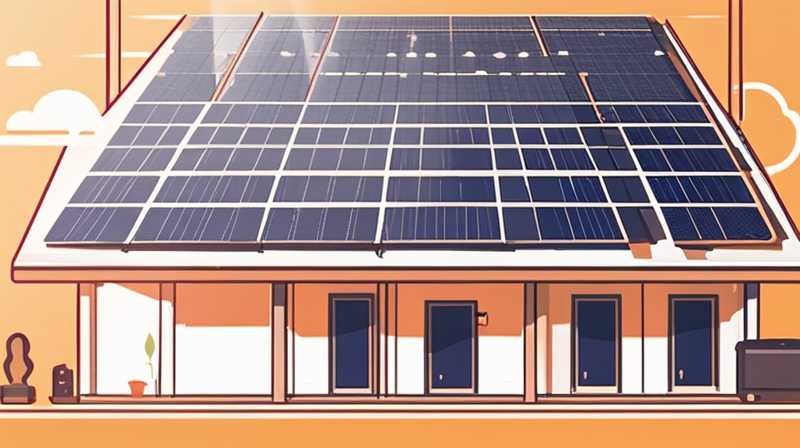
1. Solar energy installation in decoration involves several key steps: proper assessment of space, choosing the right solar panels, integrating them with design, ensuring compliance with regulations, and maintenance. Installing solar decorations enhances aesthetics while promoting sustainability, making it vital to consider both functionality and visual appeal. 2. The process includes selecting suitable locations, calculating energy requirements, and evaluating cost-effectiveness, all while maintaining the integrity of the design elements. Proper installation impacts not only the efficiency of the solar system but also the harmonic relationship between decor and renewable energy use, reflecting a commitment to environmental sustainability.
1. ASSESSMENT OF SPACE
When embarking on the journey of integrating solar energy into decoration, the initial focus should staunchly rest upon the evaluation of the available space. This entails meticulously measuring areas where solar solutions—such as solar panels or decorative solar lights—will find their home. Understanding the spatial dynamics involves recognizing how various decorative elements interact with solar energy technologies. Key considerations include sunlight exposure, directionality, obstructions like trees or buildings, and seasonal changes in light availability, which all play a pivotal role in ensuring maximum energy capture.
In this initial phase, it is also essential to consider the design and style of the outdoor or indoor area. The type of decor, existing landscaping, and artistic themes can directly influence the type of solar technology that would be most appropriate. The selection of devices must align with the aesthetic sensibility while delivering robust functionality. Compatibility between the solar decorations and environmental context fosters a cohesive balance and a visually appealing atmosphere, thus smartly integrating sustainability with beauty.
2. CHOOSING THE RIGHT SOLAR PANELS
Once an accurate assessment has been concluded, the natural progression involves selecting suitable solar panels or solar-powered decor. The market offers a plethora of options, each with unique characteristics and designs that cater to varying aesthetic preferences and functionality requirements. Understanding the efficiency ratings and aesthetic designs of the panels becomes imperative. High-efficiency panels might maximize energy generation, although their appearance could clash with decorative themes.
Moreover, considerations regarding the environmental impact of the materials used in solar panels are essential. Selecting panels manufactured with sustainable materials not only enhances the eco-friendliness of the installation but also complements the overarching narrative of responsible decor choices. It is equally significant to regard the landscape’s existing aesthetics, ensuring that solar panels enhance rather than detract from the overall design. Through a thoughtful blend of style and substance, solar energy can be harmoniously woven into the fabric of decor.
3. INTEGRATING SOLAR ELEMENTS INTO DESIGN
Successful integration of solar energy into decoration hinges upon a nuanced understanding of design principles and solar technology. This phase demands creativity in positioning solar elements to optimize both functionality and visual appeal. Integrating solar lights into garden settings, for instance, can create beautiful ambient lighting that accentuates pathways, trees, and architectural features, all while minimizing energy costs through sustainable means.
Achieving effective integration also emphasizes symbiosis between technology and artistry; this could manifest in decorative arrangements that complement existing flora in gardens or architectural styles in homes. Concepts such as crafting solar-powered water features or integrating solar facade systems can aesthetically elevate spaces while serving eco-conscious functions. It’s vital to remember that aesthetics and functionality should not stand in opposition; instead, they must coalesce to create enchanting environments that echo sustainable living principles.
4. ENSURING COMPLIANCE WITH REGULATIONS
As one embarks on interweaving solar energy within decorative concepts, it becomes crucial to navigate through various local regulations and compliance requirements. Zoning laws, building codes, and historical preservation mandates can significantly influence the decision-making process surrounding solar installations. Engaging with these regulations not only ensures legality but also guarantees that the integration of solar elements adheres to safety and aesthetic standards set forth by governing bodies.
Additionally, securing the necessary permits before the installation process is an indispensable step. Properly addressing these legal aspects ensures a seamless installation process free from interruptions. In regions with strict sustainability initiatives, integration of solar technology may receive greater regulatory support, possibly even incentives for unique designs. Thus, a proactive approach to understanding and adhering to regulations supports the notion of ethical and responsible installation practices, fostering a community-wide commitment to sustainability.
5. INSTALLATION AND MAINTENANCE
The efficiency and longevity of an installed solar energy system hinge on the expertise of the installation process. It is advisable to enlist the help of professionals who specialize in solar energy solutions to guarantee that the installation meets industry standards. This ensures that the solar technology is functioning at optimal capacity, blending perfectly with the desired decorative elements and established safety protocols.
After installation, regular maintenance practices must be incorporated to sustain the efficiency of the system. Seasonal cleaning of solar panels, routine checks, and immediate addressing of any issues will prolong the lifecycle of the solar components. An established maintenance schedule contributes to maximizing energy output, ensuring that the decorative solar elements continue to shine brightly while providing the benefits intended. Such diligence not only enhances the visual aesthetics of the décor but also secures ongoing energy sustainability.
SOLAR ENERGY INSTALLATION Q&A
WHAT TYPES OF SOLAR DECORATIVE ELEMENTS ARE AVAILABLE?
In the realm of solar decorative elements, various options cater to diverse aesthetic preferences and environmental settings. Items include solar garden lights, solar-powered sculptures, decorative solar fountains, and even solar string lights. Garden lights are particularly popular, illuminating pathways and enhancing garden features without wires or complicated setups. Solar-powered sculptures blend artistry with energy efficiency, creating eye-catching focal points while generating power during the day. These elements allow individuals to embrace sustainability while honoring artistic expression, fostering an enriching atmosphere in both residential and commercial settings. Selecting the right type depends on many factors, such as the overall design vision, the space’s sun exposure, and personal preferences regarding materials and aesthetics.
HOW DO SOLAR DECORATIONS IMPACT ENERGY CONSUMPTION?
Incorporating solar decorations significantly enhances energy efficiency within residential or commercial spaces. These elements harness sunlight, converting it into usable energy, thus reducing reliance on conventional electricity sources. This shift leads to a noticeable decrease in overall energy consumption, resulting in lower utility bills over time. Moreover, solar decorations can illuminate areas traditionally reliant on electric lighting, improving visibility without incurring additional costs. When strategically implemented, they can create enchanting environments that support sustainability initiatives, showcasing a commitment to eco-friendly practices.
WHAT ARE THE COSTS ASSOCIATED WITH INSTALLING SOLAR DECORATIONS?
The financial investment involved in installing solar decorations can vary based on multiple elements. Initial costs typically encompass purchasing solar devices, installation fees, and potential site improvements. Some decorative solar items may be relatively inexpensive, whereas comprehensive installations involving solar panels for larger premises can demand greater financial outlays. However, one must also consider the long-term savings on energy costs and potential tax incentives that can offset initial expenditures. Evaluating overall value requires assessing both upfront costs and ongoing savings, ultimately revealing the cost-effectiveness of solar energy as an integral aspect of modern design.
In summary, the journey to install solar energy within decorative contexts presents a multitude of opportunities and challenges. To successfully navigate this endeavor, individuals must focus on a series of critical stages: assessing available spaces, choosing the appropriate solar devices, creatively integrating these elements within existing designs, ensuring compliance with relevant regulations, and committing to ongoing maintenance for optimal performance. Each step in this process intertwines practicality with aesthetics, reinforcing the notion that it is possible to enhance design while committing to sustainability. The intersection of innovation and artistry paves the way for a harmonious blend of functionality and visual appeal that is not merely beneficial but imperative for the future. Engaging with solar energy not only contributes to personal energy independence but also fosters a broader cultural shift towards environmental responsibility, creating spaces that resonate with beauty, efficiency, and sustainability. Therefore, embracing solar technology in decoration is not simply an aesthetic choice; it is a profound statement of values and priorities for a growing number of individuals and communities.
Original article by NenPower, If reposted, please credit the source: https://nenpower.com/blog/how-to-install-solar-energy-in-decoration/

