

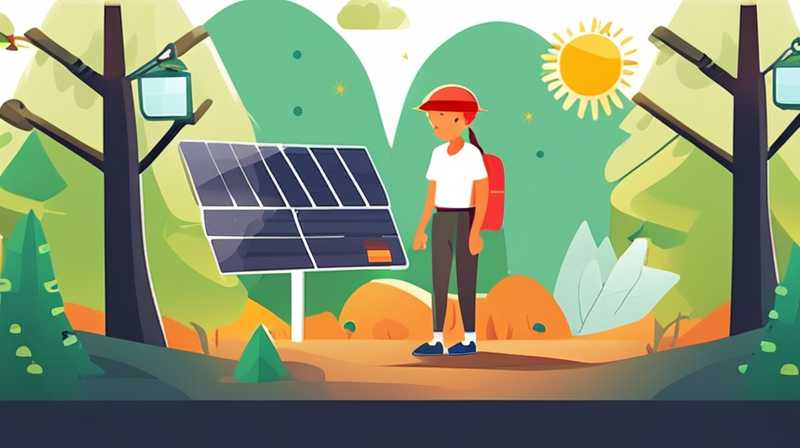
To successfully install solar energy in “Children of the Forest,” it is essential to follow a structured approach. 1. Location Assessment, 2. Solar Panel Selection, 3. Installation Process, 4. Maintenance and Support. A detailed examination of the area must precede any installation. Understanding sunlight exposure areas and shading effects will greatly influence the efficiency of the solar panels. Key metrics such as average daily sunlight hours should also be taken into consideration, ensuring that the location chosen maximizes solar energy capture. This initial step provides a solid foundation for an effective deployment of solar systems.
1. LOCATION ASSESSMENT
Understanding the environment is crucial when embarking on the journey of installing solar energy in “Children of the Forest.” This area is characterized by diverse flora and fauna, with varying degrees of sunlight filtration due to the density of trees. Therefore, an in-depth analysis of the specific geographical features and sunlight availability will dictate the feasibility of solar installations.
Identifying suitable locations where solar panels can be placed, away from dense foliage that could cast shadows, is paramount. It is essential to assess the orientation of the terrain, noting which direction receives the most sunlight throughout different seasons. By strategically placing solar panels in areas that capture maximum sunlight, the efficiency of energy generation drastically increases. Furthermore, understanding seasonal variations in sunlight provides insight into potential energy yields, which is vital for planning future energy consumption.
The installation team should employ tools such as solar path finders or apps that calculate available sunlight. These resources promote informed decision-making, identifying optimal panel placement to mitigate the impact of potential obstructions like trees or buildings. Proper landscape analysis ensures the selected sites are not only viable but also sustainable in the long term, thus extending the lifespan and effectiveness of the solar system.
2. SOLAR PANEL SELECTION
Once a suitable location has been determined, the next step involves selecting the right type of solar panels for the installation. Given the specific environmental conditions of “Children of the Forest,” it is critical to choose panels that are both efficient and resilient. Understanding the differences between monocrystalline, polycrystalline, and thin-film solar panels is essential to make an informed choice.
Monocrystalline panels are often praised for their high efficiency and sleek design. They tend to occupy less space while producing more energy, which is particularly beneficial when available land is minimal. Moreover, they perform better in low-light conditions, making them an attractive option for shaded areas typical in forested environments.
On the other hand, polycrystalline panels offer a cost-effective solution. While they may not produce as much energy per square foot compared to monocrystalline varieties, their efficiency has improved significantly in recent years, making them a worthy consideration. Additionally, they tend to be less sensitive to high temperatures, which can be an advantage in certain climatic conditions of the area.
Thin-film panels, although less efficient, offer greater versatility and flexibility in installation. They can be integrated into various surfaces and applications, potentially beneficial in intricate landscapes such as “Children of the Forest.” Evaluating these options based on cost, efficiency, durability, and suitability for the local conditions will ensure a successful solar energy installation.
3. INSTALLATION PROCESS
Commencing with the installation process, adequate preparation and planning are essential to achieving an efficient and professional setup. Establishing a timeline and protocol for the installation will help coordinate efforts and mitigate any potential disruptions to the natural environment. Engaging skilled technicians with experience in solar installations is imperative to navigate the unique challenges presented by a forested area.
Before installation begins, securing the necessary permits and following local regulations is crucial for compliance. This may include conducting environmental assessments to ensure that the installation does not harm the local ecosystem. Engaging local environmental agencies can provide essential insights into minimizing ecological disruption while transitioning to solar energy.
Once preparations are complete and approvals have been granted, actual installation can commence. This involves mounting the solar panels at the appropriate angle to optimize sunlight exposure while ensuring structural stability. The installation of mounting brackets and connection to an inverter allows the conversion of solar energy into usable electrical power. During this phase, it is pivotal to maintain clear communication among team members to troubleshoot any challenges that arise.
After the panels are installed, conducting thorough testing is a must. Ensuring that the system operates correctly is critical before finalizing the project. This includes routine checks of wiring and inverter performance, validating that the system is converting solar energy effectively and delivering it as intended to the energy grid or to the designated area in “Children of the Forest.”
4. MAINTENANCE AND SUPPORT
Maintaining the solar energy system is vital to its long-term functionality and efficiency. Regular inspections should be part of the ongoing care plan, including cleaning solar panels to remove debris, dust, or foliage that could obstruct solar rays. Routine maintenance checks can identify potential issues such as wear or damage to the solar equipment, ensuring that corrective actions are taken promptly.
Equally important is monitoring the energy production levels of the solar panels. Using energy monitoring systems allows residents to track solar output, enabling them to discern patterns and identify underperformance that may require professional inquiry. Early detection of issues through regular monitoring not only enhances performance but also lengthens the lifespan of the solar investment.
An established support network, whether through local service providers or online resources, can equip homeowners with essential knowledge and tools for troubleshooting. Furthermore, understanding warranty conditions and manufacturer agreements provides peace of mind for potential repairs or replacements. Encouraging community engagement to share experiences and advice about solar energy maintenance within “Children of the Forest” can also lead to a more supportive and informed environment.
FREQUENTLY ASKED QUESTIONS
WHAT ARE THE BENEFITS OF SOLAR ENERGY IN A FOREST ENVIRONMENT?
Implementing solar energy in forest regions yields numerous advantages. One of the most significant is environmental sustainability, as it reduces reliance on fossil fuels and lowers carbon footprints. Utilizing solar power contributes to the preservation of local ecosystems by minimizing pollution and habitat destruction typically associated with traditional energy sources. Moreover, harnessing solar energy can lead to energy independence, especially in remote areas where power infrastructure may be lacking or unreliable.
Another important aspect is economic feasibility. While initial installation costs can be substantial, solar energy significantly reduces long-term electricity expenses. The availability of tax credits, rebates, and incentives further enhances the cost-effectiveness of solar installations, making them financially appealing. Over time, the savings accrued can fund additional community projects or improvements in “Children of the Forest.”
Additionally, solar energy fosters local job creation as installation and maintenance require skilled labor. Encouraging a local workforce cultivates economic growth within the community while promoting a sense of ownership over sustainable initiatives. Lastly, integrating solar energy systems provides educational opportunities for residents, raising awareness about the importance of renewable energy and encouraging responsible consumption practices.
HOW DO WEATHER CONDITIONS AFFECT SOLAR PANEL EFFICIENCY?
Weather conditions significantly influence the efficiency of solar panels. It’s essential to understand that solar energy systems generally perform optimally under clear skies and direct sunlight. However, this doesn’t mean that cloudy days result in no energy production. In fact, modern solar panels are designed to absorb a considerable amount of diffuse sunlight, allowing them to generate energy even under less-than-ideal conditions.
Temperature also plays a role in performance. While solar panels require sunlight to function effectively, they can lose efficiency in extreme heat. Most solar panels operate best in cooler temperatures, a phenomenon often misunderstood. This means that solar installations in forested areas with cooler climate variations can result in greater overall energy production compared to installations in hotter, arid environments.
Moreover, residential areas with frequent rainfall may experience increased efficiency due to the ambient cooling effect. Regular inspections and maintenance practices, such as ensuring panels are free of dirt or debris, can maximize performance across various weather conditions. By understanding these variables, communities within “Children of the Forest” can better manage their solar energy systems and optimize energy generation year-round.
WHAT IS THE AVERAGE LIFESPAN OF SOLAR PANELS?
The average lifespan of solar panels is typically between 25 to 30 years, although some high-quality panels can last even longer. Solar technology has advanced significantly, leading to increased durability and efficiency in modern systems. Most manufacturers offer warranties of 20 to 25 years, ensuring performance guarantees during this period. It’s crucial to distinguish between the lifespan of the panels and their efficiency.
Over time, solar panels may experience a gradual decrease in efficiency, often around 0.5% to 1% per year. This means that even after two decades, panels can still generate a significant portion of their original output. Regular maintenance and prompt repair of any damaged components can significantly extend the functional lifespan of the panels. Communities in “Children of the Forest” that prioritize upkeep will likely maximize their investment in solar energy, allowing them to reap benefits well beyond the typical lifespan.
In summary, transitioning to solar energy systems within “Children of the Forest” presents a multi-faceted opportunity for sustainable living. The initial steps involve careful location assessment, allowing developers to understand sunlight access, while the selection of appropriate solar panel types ensures the project’s efficiency meets environmental needs. The installation phase requires meticulous planning and skilled labor, ultimately leading to successful energy harnessing. However, sustaining functionality through regular maintenance and support is vital for long-term benefits. The impact of this renewable energy source extends beyond practical advantages, promoting community awareness and economic growth while safeguarding natural environments. The integration of solar energy not only addresses immediate energy concerns but also paves the way for a more sustainable and eco-conscious future for the residents of “Children of the Forest.” By choosing solar as an energy source, the community invests in its environmental health and commits to fostering a legacy of renewable energy for generations to come.
Original article by NenPower, If reposted, please credit the source: https://nenpower.com/blog/how-to-install-solar-energy-in-children-of-the-forest/

