

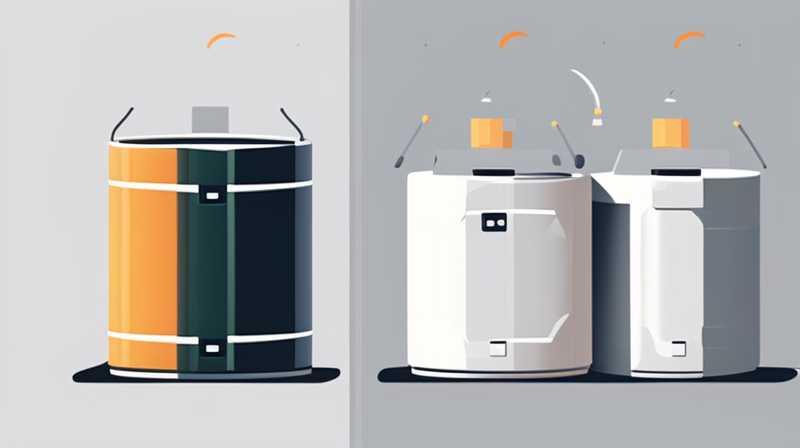
1. The process of installing solar barrels involves several essential steps: 2. Selecting an appropriate location that receives ample sunlight is crucial, 3. Proper mounting and secure anchoring of the barrels are necessary to withstand environmental conditions, 4. Connecting the solar barrels to a water collection system can optimize their functionality for irrigation or other uses.
Installing solar barrels contributes significantly to sustainable living practices. Solar barrels, also known as solar water heaters or solar storage tanks, harness the power of sunlight to heat and store water, making them an excellent choice for eco-friendly homes. The installation process, while highly beneficial, requires careful planning and execution to ensure efficiency and longevity.
1. LOCATION SELECTION
One of the pivotal steps in the process of establishing solar barrels is the selection of an appropriate location. It is essential to identify an area that enjoys maximum exposure to sunlight throughout the day. Consideration must be given to potential obstructions, such as trees, buildings, or other structures that could cast shadows, thereby hampering the efficiency of the solar energy harnessing process.
In addition to sunlight exposure, the slope of the terrain should also be evaluated. A slight incline can facilitate drainage and prevent the accumulation of water near the barrels. Moreover, the area should have easy access to the water supply, enabling efficient filling, as well as a convenient pathway for maintenance activities. By addressing these factors, the installation will be set on a strong foundation that enhances its functionality.
2. MOUNTING AND ANCHORING
After establishing the location, the next significant consideration is the mounting and anchoring system for the solar barrels. Selecting an appropriate framework for mounting is essential for ensuring safety and stability. Available options include ground mounts, rooftop installations, or custom-built frameworks tailored to specific landscapes.
Proper anchoring techniques must be deployed to withstand severe weather conditions and prevent any potential tipping. Using strong, durable materials for both the mounting and anchoring systems is imperative to ensure resilience. For instance, employing galvanized steel brackets or reinforced concrete bases will enhance the structure’s robustness, thus maximizing safety and functionality over time while mitigating maintenance requirements.
3. CONNECTING TO WATER SYSTEMS
Once the barrels are securely anchored and mounted, the pivotal phase involves connecting the barrels to an efficient water collection system. The integration of the barrels into an existing plumbing system can facilitate the redistribution of heated water throughout the premises. A critical component of this connection is the installation of the proper piping mechanisms to allow for seamless flow between the solar barrels and the water source.
In addition to plumbing, incorporating valves and gauges will provide control over water flow and temperature regulation, thus optimizing the heating process. Ensuring that the connections are properly sealed and insulated will prevent leaks, maintaining the system’s efficiency. The synergy between the solar barrels and the water system enhances the overall effectiveness of the installation.
4. MAINTENANCE AND MONITORING
After successfully installing the solar barrels and connecting them to the water system, ongoing maintenance is vital to ensure optimal function. Regular checks of the barrels and associated systems will help identify any potential wear or leaks, thus prolonging their lifespan. Periodic cleaning of the barrels is necessary to remove debris and dirt that may hinder sunlight absorption.
Monitoring the efficiency and performance of the solar barrels can also provide valuable insights into their operational status. Utilizing temperature gauges and water flow measurements will assist in assessing the overall effectiveness and help identify areas for improvement. Through diligent maintenance and monitoring, homeowners can ensure that their solar barrels remain productive and energy-efficient for years to come.
5. ESTIMATING COSTS
Budgeting is an essential aspect of any solar barrel installation project. Understanding the costs involved ensures a realistic and feasible approach. Initial expenses can include the price of the solar barrels, mounting systems, plumbing connections, and additional tools necessary for the installation process.
Furthermore, considering potential hidden costs is essential. These might include maintenance, repair services, or even unforeseen modifications to the existing structure. Budgeting allows for thoughtful planning and prioritization of essential elements, enabling homeowners to make informed decisions without compromising on quality.
FAQs
WHAT ARE SOLAR BARRELS?
Solar barrels, also referred to as solar water heaters or solar storage tanks, are systems designed to harness solar energy for heating water. Through the innovative use of solar panels or thermal collectors, these barrels absorb sunlight and convert it into thermal energy. In essence, they store hot water for various domestic purposes, such as showers, washing dishes, or even heating swimming pools. The appeal of solar barrels lies in their efficiency; they often result in significant savings on energy bills while minimizing carbon footprints. With climate change concerns at the forefront, installing solar barrels represents a proactive approach to adopting renewable energy sources. Moreover, these systems can often be integrated with other green technologies, such as rainwater harvesting systems, thereby maximizing resource utilization and supporting sustainability efforts in residential settings.
HOW LONG DOES INSTALLATION TAKE?
The duration of installing solar barrels typically varies based on several factors, including the complexity of the setup, the chosen location, and the volume of barrels being installed. Generally, a conventional installation process can take anywhere from one to three days. Simpler setups involving fewer barrels and pre-existing plumbing can expedite the process significantly. However, if additional construction or modifications to the existing structure are necessary, this can extend the timeline. Professional installers can provide a more accurate estimate based on their experience and the specific requirements of the project. Furthermore, it is crucial to ensure that all local regulations and permits are in order before commencing work, as this may also affect the timeline. Having a detailed installation plan and prepared equipment will facilitate a smoother process, benefitting both the homeowner and the installation team.
CAN SOLAR BARRELS WORK IN CLOUDY CONDITIONS?
While solar barrels are most efficient under direct sunlight, they can still operate in cloudy conditions, although their effectiveness may decrease. Solar panels and thermal collectors can absorb diffuse sunlight, which is available even when overcast. However, the energy output will not be as high. Fortunately, solar barrels are designed to hold heated water, allowing users to benefit from stored warmth even when solar absorption is reduced. To maximize efficiency, homeowners can consider investing in larger tanks or additional barrels to store more water for cloudy days. Moreover, coupling solar barrels with other heating sources may provide a more stable and reliable water heating solution year-round. Understanding the performance metrics in relation to weather conditions enables better planning and usage, ensuring that homeowners continue to enjoy the advantages of solar energy despite varying weather patterns.
The installation of solar barrels represents a meaningful step toward energy efficiency and sustainability. In using the renewable resource of sunlight, homeowners can significantly reduce their energy consumption and carbon emissions. Solar barrels offer versatility, allowing them to cater to various household needs, from heating water for domestic use to supporting irrigation in gardens. Transitioning to solar technology often proves to be economically beneficial in the long run, resulting in substantial savings on utility bills.
It is crucial to recognize that successful installation hinges on appropriate planning, skilled execution, and regular maintenance. Selecting a proper location will lay the groundwork for optimal performance, while thoughtful mounting and anchoring ensure durability amidst environmental challenges. Additionally, connecting the barrels effectively to water systems maximizes their functionality.
Investing time in maintenance and monitoring ensures the longevity and efficiency of solar barrels, solidifying their role as an integral element in a sustainable energy strategy. Homeowners must remain vigilant regarding budgetary considerations, ensuring that costs align with expectations without compromising quality.
Ultimately, installing solar barrels transcends mere technical knowledge; it embodies a commitment to fostering a sustainable future. As communities increasingly recognize the importance of renewable energy, solar barrels will undoubtedly play a prominent role in this paradigm shift, empowering individuals to take charge of their energy needs while preserving the environment for generations to come.
Original article by NenPower, If reposted, please credit the source: https://nenpower.com/blog/how-to-install-solar-barrels/

