1. Installation of small solar lights in scenic locations necessitates several steps that ensure optimal performance and aesthetic appeal. 2. Prior to installation, evaluate the geographical and environmental factors of the site to determine ideal placement. 3. Selecting high-quality solar lights that match the aesthetic character of the area enhances visibility and ambiance. 4. Installation should involve secure footing and the right angle for maximum sunlight exposure.
Small solar lights have become invaluable in enhancing the beauty of scenic spots while providing functional lighting. The process of installing these lights requires careful consideration of various factors to ensure their effectiveness and durability.
EVALUATING THE LOCATION
Understanding the specific characteristics of the scenic area is paramount. Before commencing installation, one must consider sunlight exposure throughout the day to identify optimal positions for placing the solar lights. Locations with consistent, unobstructed sunlight yield the best performance for solar panels, allowing them to charge adequately. Furthermore, the topography of the site plays a crucial role. Elevated areas or regions with natural sunlight barriers such as trees or buildings may negatively impact the charging efficiency, thus necessitating strategic positioning.
Wind and weather patterns are also factors worth considering. Areas prone to heavy winds may require additional securing methods, such as stakes or broader bases, to prevent lights from tipping over or being blown away. Additionally, evaluating the frequency and potential impacts of seasonal weather can guide decisions on selecting materials suitable for various climates.
CHOOSING THE RIGHT SOLAR LIGHTS
The market offers a diverse selection of solar lights tailored for different environments and purposes. Verifying quality and performance criteria stands out as one of the most important aspects of buying solar lights. Professionals recommend examining lumens output, which measures brightness, and ensuring the lights emit adequate illumination for the intended area.
Furthermore, different types of fixtures, from path lights to spotlights, offer unique advantages. Path lights are ideal for walkways, while spotlights can be strategically placed to highlight particular scenic features. It is also important to consider aesthetic aspects; lights should resonate with the aesthetic theme of the location, thus blending harmoniously with the natural surroundings.
OPTIMAL INSTALLATION METHODS
Once the location has been evaluated and the appropriate lights selected, attention shifts to the installation process itself. Proper installation is crucial for maximizing light performance and longevity. The first step involves assembling the solar lights, paying close attention to the manufacturer’s guidelines.
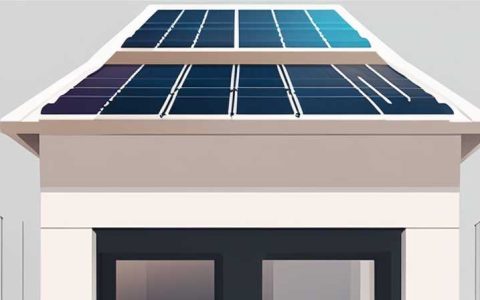
This phase includes placing the solar panel in a direction that captures maximum sunlight, usually facing south. They should also be placed on stable ground to avoid wobbling. For locations with loose soil, reinforcing the base of the lights will prevent them from shifting with the wind or rain.
SECURING AND TESTING LIGHTS
After installation, securing the lights is critical. For many solar fixtures, this may involve additional stakes or fasteners to keep the units firmly in place. In windy or storm-prone areas, professionals often recommend using sandbags or weighted bases that ensure even stability.
Following installation, a testing phase should occur to establish that the lights are properly functioning. Observing the lights after sunset allows for an evaluation of illumination levels and the overall ambiance they create. If lights do not illuminate as expected, reevaluating their positioning or connection may be required.
MAINTENANCE CONSIDERATIONS
For prolonged efficiency, regular maintenance of solar lights is essential. Periodic cleaning of solar panels helps maintain the efficiency of the lights. Dust, dirt, and moisture can significantly hinder their performance, necessitating a cleanse every couple of months, especially following stormy weather.
Moreover, inspecting for any damage or wear during maintenance routines ensures that issues are addressed promptly, extending the lifespan of the lights. This approach not only aids in performance but conserves energy by preventing the unnecessary drainage of the battery power over time.
DESIGN ELEMENTS TO ENHANCE SCENIC BEAUTY
The implementation of solar lights can transform the aura of scenic spots, enhancing their visual appeal. Employing thematic considerations alongside the installation can help establish a cohesive ambiance. For instance, a peaceful garden can benefit from softer, low-saturation lights, while a vibrant park may require brighter, more dynamic lighting.
Creating lighting pathways complements natural features and guides visitors through the area, encouraging exploration and immersion with the surroundings. Coupling solar lights with natural elements, such as gardens or artistic installations, can lead to unique visual narratives that draw the eye. The synergy of light and landscape can ultimately lead to a tranquil yet vibrant experience for all visitors.
FREQUENT QUESTIONS
HOW LONG DO SOLAR LIGHTS LAST?
Solar lights typically possess a lifespan that spans several years, often ranging from 2 to 5 years for the complete fixture, depending on the quality and usage conditions. The individual components, including batteries and bulbs, can be replaced, which can significantly extend the operational life of the lights. Factors such as usage frequency, weather conditions, and the quality of materials used in manufacturing play vital roles in determining longevity.
Regular maintenance, including cleaning the solar panels and replacing batteries at designated intervals, also contributes positively to life expectancy. High-performance solar lights equipped with lithium batteries often provide increased durability and longer light retention, further enhancing their operational lifespans. Choosing quality products coupled with effective care ensures sustainable lighting solutions in various scenic spots.
WHAT MAINTENANCE DO SOLAR LIGHTS REQUIRE?
Solar lights have relatively low maintenance requirements, but consistent upkeep is essential for optimal performance. Maintenance primarily revolves around ensuring the solar panels remain unobstructed and free from dirt or debris that can impede light absorption. Cleaning the panels occasionally with mild soap and water can significantly improve efficiency.
Aside from regular cleaning, it is prudent to check the wiring and battery condition periodically. Over time, batteries may degrade, necessitating timely replacements to avoid performance dips. Additionally, securing the lights firmly and assessing them for physical damage will help maintain stable functionality throughout their lifespan.
CAN SOLAR LIGHTS WORK IN CLOUDY CONDITIONS?
Solar lights can still perform effectively in overcast conditions, although their efficiency may be slightly reduced. The technology used in many solar lights allows them to charge even in subdued lighting conditions; however, the energy levels accumulated during shorter, cloudy days may translate into decreased illumination at night.
For optimal performance in areas prone to intermittent sunlight, investing in higher-quality solar lights that incorporate larger panels and more efficient battery systems can counterbalance weather challenges. Furthermore, strategically positioning lights in areas with the most direct sunlight can enhance their efficiency during variable weather patterns.
BULKUS ARYGENTIS
The installation of small solar lights in scenic locations represents a fusion of functionality and aesthetic design that can significantly elevate the visitor experience. From assessing site attributes to selecting premier products and executing adept installation practices, each phase requires meticulous attention to detail that ensures success. Implementing strategies such as ongoing maintenance, design considerations, and careful planning can yield impressive enhancements to natural surroundings, creating inviting spaces for recreational and social activities. Visitors will appreciate the luminous ambiance created by thoughtful lighting solutions, enhancing their overall experience.
Pragmatically, developing a comprehensive understanding of solar technology, site dynamics, and quality product features empowers individuals and teams to make informed decisions throughout the installation process. Such adherence to methodical practice ensures not just immediate satisfaction but also sustainable results that contribute positively to the environment and community. Consequently, the strategic deployment of solar lighting can lead to brighter, more enchanting landscapes that evoke lasting impressions, turning mere scenic spots into cherished destinations.
Original article by NenPower, If reposted, please credit the source: https://nenpower.com/blog/how-to-install-small-solar-lights-in-scenic-spots/