

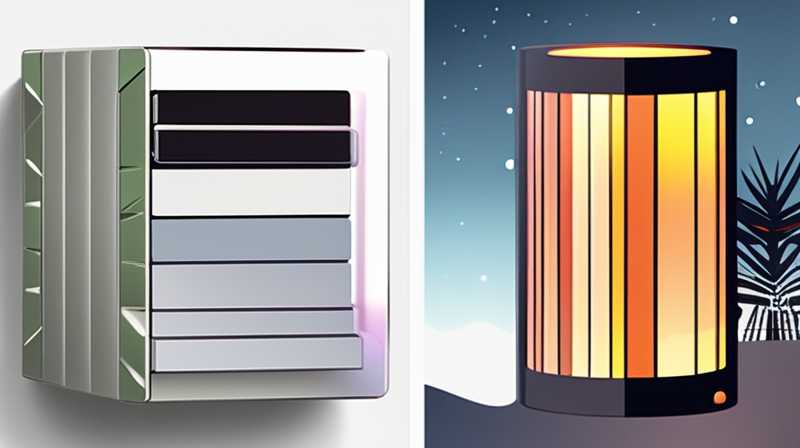
To successfully install cylindrical decorative solar lights, one needs to follow a series of systematic steps to ensure proper functionality and aesthetic appeal. 1. Choose the appropriate location for installation, 2. Ensure adequate sunlight exposure, 3. Gather necessary tools and equipment, 4. Prepare the ground for setup, 5. Follow manufacturer instructions for assembly, 6. Secure the lights firmly, 7. Test the lights promptly after installation. Among these points, the first one—selecting the location—warrants special attention. The chosen site should make the most of natural sunlight during the day, which is essential for charging the built-in batteries of the solar lights. Factors such as proximity to trees, buildings, or other obstructions should be considered, as they could cast shadows on the lights, hindering their ability to collect solar energy efficiently.
1. UNDERSTANDING SOLAR LIGHT TECHNOLOGY
Solar lights operate through several critical components, the most significant being the solar panel, which captures sunlight and converts it into energy. When selecting cylindrical decorative solar lights, understanding how solar panels function is paramount. Generally, these panels are made of silicon and consist of photovoltaic cells. When sunlight hits these cells, it excites electrons, creating an electric current that charges the light’s internal battery.
Additionally, contemporary models now incorporate advancements such as motion sensors and brighter LEDs, enhancing utility and aesthetic appeal. The adoption of such innovative technologies has undeniably increased the attractiveness of using decorative lights in various outdoor settings—gardens, pathways, or patios. Hence, choosing products equipped with efficient solar panel technology is essential to ensure a longer duration of illumination during nighttime.
2. SELECTING THE OPTIMAL LOCATION
Finding a suitable place for installation is crucial in maximizing the efficiency of solar lights. It is advisable to opt for areas that receive ample sunlight throughout the day, typically around 6 to 8 hours. Any shading from trees, overhanging branches, or nearby structures can significantly reduce the light’s performance and lifespan.
Besides being practical, the aesthetic factor should also come into play when evaluating potential locations. Cylindrical decorative solar lights can enhance the ambiance of outdoor spaces, thus thoughtful placement can create focal points in landscaping. Consider pathways that could benefit from illumination or areas around seating arrangements that may need additional lighting for evening gatherings. Such evaluations ensure not only functionality but also enhance the overall aesthetic value of the outdoor environment.
3. GATHERING TOOLS AND EQUIPMENT
Preparation is key to a successful installation. One should gather the necessary tools and equipment before commencing with the setup. Standard tools may include a shovel or ground auger for digging holes, a measuring tape to regulate distances between lights, and possibly a level to ensure even placement.
Having all these tools handy before actual installation will help prevent interruptions, such as running back to fetch a missing item. In addition, inspecting the lights and any accompanying hardware for defects is advisable. Ensuring everything is intact saves time and ensures a smoother installation process ultimately leads to a satisfying outcome. A pre-installation checklist can significantly streamline this phase, contributing toward a swift execution of the task.
4. PREPARING THE GROUND
Before setting up cylindrical decorative solar lights, preparing the ground is essential. The area should be clear of debris, grass, and any obstacles that could interfere with the lighting installation. Furthermore, it is crucial to assess the soil type and conditions where the lights will be placed. Some spots may require digging deeper for stability, especially in sandy or loose soil conditions.
When preparing the intended area, think about the arrangement as well. Circular or linear patterns can create a visually appealing setup while offering maximum functionality. Maintaining a uniform distance between each light not only improves aesthetics but also ensures even illumination throughout the area. Careful planning during this stage can significantly enhance the installation’s final outcome.
5. ASSEMBLY INSTRUCTIONS PER MANUFACTURER
Each solar light system comes with a specific set of assembly instructions from the manufacturer. It is crucial to follow these guidelines closely to avoid compatibility issues or malfunctioning lights. Some models may require minimal assembly, while others may entail a more intricate setup process. Generally, these instructions will include details on connecting the solar panel with the light fixtures and attaching any necessary brackets.
A common step includes inserting the solar light pole into the ground securely. This task could entail pushing it into designated holes or using screws to ensure a sturdy attachment. Pay close attention to the provided diagrams, if available, as they can serve as visual aids to enhance comprehension of the assembly process. If uncertain about any steps, consulting online resources or customer service representatives can provide clarity to complete the task confidently.
6. SECURING THE LIGHTS
Once the assembly is complete, properly securing the lights stands as one of the final steps. It is crucial to ensure that each light is firmly anchored to withstand potential weather conditions—strong winds or heavy rains, for example. Depending on the design and the materials used, some lights may require stakes or anchors, while others may be robust enough to maintain stability on their own.
Regular checks are advisable post-installation. Ensure that each light remains upright and functional without any signs of wobbling. If any anomalies are observed, adjustments should be made promptly to avoid potential damage or misalignment over time. Taking proactive measures in securing the lights not only prolongs their lifespan but also maintains the aesthetic allure they provide in outdoor spaces.
7. TESTING AND MONITORING FUNCTIONALITY
Testing the solar lights is an essential phase in the entire installation procedure. Upon completing the setup, one should evaluate whether the lights activate appropriately during the evening. Allowing sufficient time post-sunset is crucial, as solar lights require a good charge from daytime sunlight to function correctly.
Monitoring the functionality over several days is equally important. If the lights do not perform as expected, examining factors such as placement, sunlight exposure, or potential defects in the solar panel can provide insights into underlying issues. Making the necessary adjustments and resolving any problems timely can ensure a fulfilling outdoor lighting experience and a well-illuminated environment.
FREQUENTLY ASKED QUESTIONS
WHAT SIZE SOLAR LIGHTS SHOULD I INSTALL?
The size of solar lights to install depends on the specific aesthetics and functional needs of your space. For larger gardens or expansive areas, taller lights with broader illumination ranges might be appropriate. Conversely, smaller, low-profile lights can accentuate pathways or flower beds with more finesse.
Evaluating the brightness ratings measured in lumens can also guide your decision. Higher lumens translate to more intense light, suitable for highlighting features or ensuring safety along walkways. Ultimately, striking a balance between size, intensity, and design will lead to a harmonized outdoor atmosphere that meets your individual taste and functional requirements.
HOW LONG DO SOLAR LIGHTS LAST?
The lifespan of solar lights can vary significantly based on several factors, including the quality of components, exposure to the elements, and maintenance practices. Generally, quality solar lights can last anywhere from 3 to 5 years or even longer with the right care.
During this timeframe, the efficiency of solar panels might decrease, affecting the total runtime for illumination at night. Regular maintenance such as cleaning, inspecting for corrosion, and checking battery functionality can greatly help extend the overall lifespan of the lights. By doing so, users can enjoy sustained beauty and safety in their outdoor spaces long term.
CAN SOLAR LIGHTS BE USED IN COLD WEATHER?
Yes, solar lights can effectively function in cold weather, although their performance may vary based on temperature extremes and sunlight availability. Many designed for outdoor use are equipped to withstand colder temperatures and operate efficiently in various climatic conditions.
Nevertheless, very low temperatures can impact battery efficiency, resulting in reduced illumination time during the night. Locations with limited sunlight may require users to consider solar lights with higher power reserves or alternative lighting solutions. Proper insulation and storage during harsher winter months can also contribute to maintaining performance levels.
Thorough selection of installation sites, efficient gathering of tools, proper assembly adherence, and securing procedures are all key to achieving the desired outcomes for cylindrical decorative solar lights. These lights can elevate both safety and aesthetic allure in outdoor environments, provided they are installed correctly and maintained effectively over time. Emphasizing the factors such as overall design, sunlight exposure, and consistent monitoring can significantly affect the successful operation of solar lights. Such considerations lead not only to convenience in illumination for outdoor activities but also reflect on commitment toward energy-efficient solutions that harmonize with environmentally conscious lifestyles. Adhering to best practices in both installation and maintenance opens pathways to creativity, allowing for personalization of outdoor aesthetics. Therefore, investing thoughtful effort in installation paves the way for enduring beauty and functionality in any outdoor setting.
Original article by NenPower, If reposted, please credit the source: https://nenpower.com/blog/how-to-install-cylindrical-decorative-solar-lights/

