

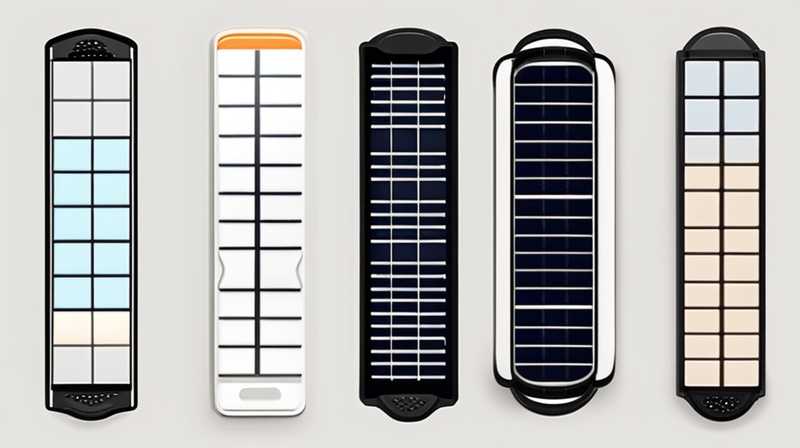
To install and fix solar light strips, it is crucial to follow a systematic approach ensuring proper functionality and longevity. 1. Understand the installation requirements, 2. Gather necessary tools and materials, 3. Follow manufacturer guidelines, 4. Regular maintenance and troubleshooting are essential. To elaborate, understanding the installation requirements involves assessing the location, ensuring adequate sunlight exposure for optimal charging, and choosing the appropriate type of solar light strips based on intended use, such as decorative or functional lighting.
1. UNDERSTANDING SOLAR LIGHT STRIPS
Solar light strips represent a convergence of convenience and sustainability, offering an eco-friendly lighting solution that enhances outdoor spaces. Their installation and maintenance hinge on comprehending the components, their functionality, and the typical challenges one might encounter during usage. Knowing the specific characteristics of solar light strips extends beyond aesthetics; it includes understanding the solar panel, the LED lights, and the batteries that facilitate the conversion of sunlight into usable energy. This forms the basis of any successful installation and upkeep process.
The solar panel converts sunlight into energy that charges the batteries, which then powers the LED lights. To ensure these systems operate effectively, lighting strips must be installed in locations that receive ample sunlight throughout the day. Assessing light exposure will determine the right placement for longevity and maximum performance. Additionally, factors such as seasonal changes and local weather patterns should also influence the choice of installation site, guiding decisions that enhance their efficiency.
2. GATHERING TOOLS AND MATERIALS
Before embarking on the installation journey, procuring a selection of necessary tools and supplies proves imperative for achieving a seamless setup. Critical tools often include a drill, screws, anchors, and measuring tape, alongside the solar light strips themselves. It is essential to ensure that all components align with the manufacturer’s recommendations, which can vary based on the specific type of solar light strip chosen for the task.
In addition to tools, gathering supplementary materials, such as extension cords or additional batteries, can facilitate a more flexible and effective installation process. Using high-quality products that are specifically designed for outdoor use can enhance durability and overall performance. Elements like weather-resistant adhesives may also be beneficial for securing the strips, allowing for optimum performance regardless of environmental conditions.
3. FOLLOWING MANUFACTURER GUIDELINES
When dealing with solar light strips, strict adherence to manufacturer instructions serves as a cornerstone for both initial installation and subsequent repairs. Each product may carry distinct requirements and specifications that must be honored to ensure functionality and safety. Reading and understanding the installation manual provides invaluable insights into proper configuration and connection procedures that enhance performance.
Many manufacturers provide detailed diagrams and schematics to facilitate user understanding. Following these visual aids closely can streamline the installation process and minimize potential errors. For instance, comprehending the wire configurations and battery placement can significantly affect how the light strips perform during their lifespan. Misunderstandings here could lead to malfunctioning or inefficient lighting, ultimately diminishing the solar light strips’ effectiveness.
4. INSTALLING SOLAR LIGHT STRIPS
Once the necessary preparations are firmly in place, the actual installation of solar light strips begins. Typical steps include measuring the desired length of installation, marking the locations for fixtures, and securing the light strips using screws or adhesive backing. To maintain a clean and professional appearance, focusing on alignment and spacing ensures an aesthetically pleasing result.
During installation, it may be necessary to incorporate additional support, particularly in areas subjected to high winds or inclement weather. Using mounting brackets enhances stability while providing a more permanent solution for outdoor applications. For areas less prone to harsh conditions, adhesive methods may suffice, allowing flexibility in placement and making it easier to reposition should it be necessary in the future.
5. REGULAR MAINTENANCE AND TROUBLESHOOTING
Establishing a routine for maintenance remains essential for ensuring the longevity of solar light strips. Regular inspections focusing on the solar panels, battery conditions, and LED functionality are pivotal in guaranteeing efficient operation. Solar panels require periodic cleaning to maximize absorption of sunlight; dirt and debris can hinder energy collection. A simple wipe using cloth or soft brushes, where necessary, keeps the panels functioning optimally.
In the realm of troubleshooting, recognizing common issues becomes vital for timely resolutions. If the lights fail to illuminate despite sufficient sunlight, checking battery charge levels or ensuring connections are intact is essential. Should the lights flicker or behave erratically, replacing batteries or inspecting for wire damage might be needed, allowing for quick remediation of any problems encountered.
6. INSTALLATION TIPS FOR OPTIMAL PERFORMANCE
For those navigating the installation of solar light strips, a few additional considerations can optimize performance and enhance user satisfaction. Thoughtfully planning the installation layout can significantly impact light distribution and aesthetics. Using a measuring tape to establish equal spacing or aligning the strips with existing features in the landscape can create a more harmonious environment.
Another critical aspect is the timing of installation. Selecting days with mild weather conditions minimizes complications associated with installation while significantly enhancing the overall experience. Avoiding periods prone to heavy rain or strong winds ensures that both installation and future maintenance can be carried out comfortably and safely.
FAQs
HOW LONG DO SOLAR LIGHT STRIPS LAST?
The lifespan of solar light strips can extend from several years to over a decade, depending on several factors such as quality, maintenance, and environmental conditions. High-quality products often incorporate durable materials designed to withstand exposure to the elements, while poor-quality strips may degrade faster. Additionally, batteries can play a significant role in determining overall lifespan; rechargeable batteries that are well-maintained typically provide longer service life. Factors such as frequent cloud cover, pollution, and general wear can also affect performance and longevity.
Moreover, proper care and maintenance practices significantly influence lifespan. Regular cleaning of solar panels to prevent dust build-up and ensuring that connections remain intact can contribute to optimal performance, allowing the lights to function efficiently over extended periods. Monitoring battery health and replacing them when necessary supports continued functionality. Ultimately, investing in high-quality solar light strips and committing to routine checks can lead to longer-lasting and more reliable lighting solutions.
CAN SOLAR LIGHT STRIPS BE USED IN WINTER?
Solar light strips can effectively function in winter, though performance may fluctuate due to shorter daylight hours and potentially inclement weather. Snow accumulation on solar panels might obstruct sunlight absorption, therefore limiting charging capacities. If snow covers the panels, gently brushing off the accumulation can help restore their operation and ensure the batteries receive sufficient charge.
Additionally, it’s vital to consider specific regional factors that might affect efficacy. For locations with extended periods of darkness or prolonged winter conditions, opting for models designed to retain energy for longer periods may be advantageous. Some solar light strips come equipped with advanced battery technologies that can withstand colder temperatures and still function effectively throughout the winter months. Therefore, users should assess both their local climate and the product specifications carefully to determine suitability for year-round use.
HOW TO FIX SOLAR LIGHT STRIPS THAT DO NOT WORK?
When solar light strips show signs of malfunction, troubleshooting can follow a systematic approach to identify and rectify the problem. Start by inspecting the solar panel itself; dirt, dust, or debris can interfere with light absorption, leading to inadequate charging. Cleaning the solar panel regularly is crucial, as insufficient sunlight can cause the lights to dim or fail entirely.
Next, examine the battery conditions. If solar light strips remain unresponsive, the batteries may require replacement. Over time, rechargeable batteries can lose efficacy; hence, verifying their health and replacing them necessitates periodic checks to maintain functionality. Additionally, inspection of the wiring should follow to ensure secure connections and determine if any damage exists. By systematically addressing each aspect of the installation, most issues can identify and resolve with minimal effort.
Properly installing and repairing solar light strips presents a unique opportunity to enhance one’s environment while promoting sustainability. Through diligent planning, meticulous installation, and ongoing maintenance, users can ensure they reap the maximum benefits from these energy-efficient fixtures. Each step requires consideration and investment in quality materials, making the process one that extends beyond simple setup. Those willing to engage in careful analysis and execution will invariably enjoy the fruits of their labor for years to come. Marking locations for optimal sunlight exposure, utilizing appropriate tools, adhering to manufacturer specifications, and troubleshooting effectively will contribute to the overall success of solar light strip usage. Ultimately, embracing these practices enables users to create captivating and functional outdoor spaces, showcasing the transformative potential of properly implemented solar solutions.
Original article by NenPower, If reposted, please credit the source: https://nenpower.com/blog/how-to-install-and-fix-solar-light-strips/

