

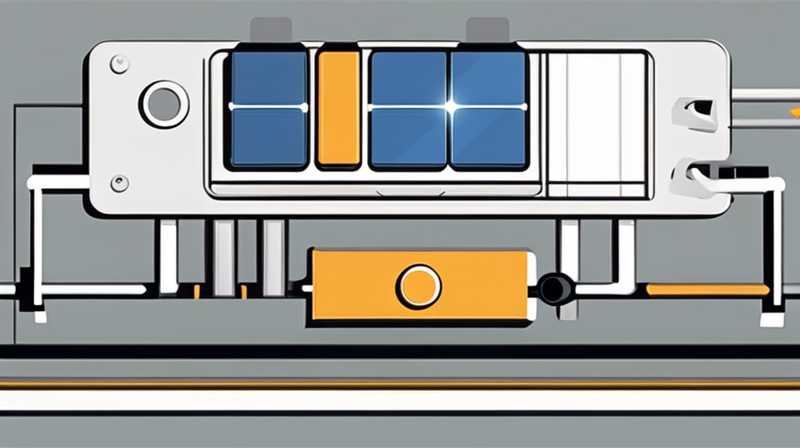
Disassembling a solar drain outlet involves a systematic approach to safely and efficiently separate its components. 1. Preparation and Safety Measures, 2. Tools Needed, 3. Step-by-Step Disassembly Process, 4. Reassembly and Maintenance. In preparation, ensuring the system is completely shut down and assessing the components for specific types of connections will make disassembly smoother. Safety equipment like gloves and goggles should be worn throughout the process to protect against sharp edges or electrical components.
1. PREPARATION AND SAFETY MEASURES
Before embarking on the task of disassembling a solar drain outlet, adequate preparation is essential. Firstly, one must ensure that the solar system is entirely powered down. This includes disconnecting the solar panels from the inverter, pulling the main switch, and, if applicable, isolating the battery. The goal here is to eliminate any risk of electric shock during the disassembly process. Having a clear workspace can significantly reduce the chances of accidents.
Additionally, understanding the layout and components of the solar drain outlet is vital. This component usually comprises a drainage pipe, a connector for the solar panel, and sometimes a valve to control the flow. Familiarizing oneself with the components will help in recognizing each piece and how they fit together. It can also be beneficial to review the manufacturer’s manual or any available diagrams to gain insights into specific features unique to the model you are working with.
2. TOOLS NEEDED
Equipped with the right tools is crucial for a successful disassembly. Basic tools such as a screwdriver, wrench set, pliers, and a utility knife will likely suffice for most solar drain outlets. However, you may also require specialized tools based on the outlet’s design. For instance, if the outlet contains marine-grade materials or incorporates a particular kind of connector, you might need a specific type of socket wrench or a ratchet set.
Moreover, it helps to have a multimeter handy, especially if there are electrical components in the drain outlet. Before handling any part of the system, it is advisable to verify that no voltage is present at the outlet. In circumstances where parts may be tricky to access, a flashlight will also be beneficial. This ensures visibility in all nooks and crannies of the assembly. Overall, having all tools organized and accessible will streamline the process significantly.
3. STEP-BY-STEP DISASSEMBLY PROCESS
Initiating the disassembly process involves systematically addressing each part of the solar drain outlet. Begin with the visible connections, particularly those securing the outlet to the drainage system. Turn off the water supply if it connects to a larger network. After securing the proper tools, gently unscrew or unbolt any clamps or screws that hold the outlet in place. When detaching pipes, apply light, even pressure to avoid damage.
Focus next on disconnecting the power supply. Carefully remove the connectors that link the outlet to the solar panel or battery system. It is crucial to document or label these connections, as reassembling them will require knowing where each part pairs with another. Use zip ties or small bags to keep screws and fittings organized; this will prevent any parts from getting misplaced during the disassembly process.
Upon detaching the primary body of the outlet, attention should shift to the internal components, such as valves or diverting mechanisms. These may require gentle manipulation to avoid breaking any seals. Once all parts are freed, inspect for any signs of wear or damage. This is an ideal moment to clean the components; a clean drain will function more efficiently when reassembled, and any visible damages should be noted for future repairs.
4. REASSEMBLY AND MAINTENANCE
Upon successful disassembly, the focus must shift towards reassembly and maintenance for long-term efficacy of the solar drain outlet. Begin reassembly by reversing the disassembly steps meticulously. It is essential to ensure that all seals are replaced correctly to avoid future leaks; improper sealing can lead to complications. Pay attention to torque specifications when reinstalling screws or bolts to ensure they are not overly loose or tight, which could lead to stress and eventual failure.
In terms of maintenance, regular checks are critical. Once the outlet is in operation again, schedule periodic evaluations to observe any unusual sounds or leak patterns. It is also advisable to clean the outlet regularly to prevent clogs caused by debris or algae build-up, particularly if the drain is exposed to natural elements. Keep the structure free from dirt and check for routine wear and tear.
If any issues arise, don’t hesitate to revisit the disassembly steps. Documenting the process with photos can also be beneficial for future reference. Continuous education on advancements in solar technologies and drain outlet efficiencies will further enhance maintenance practices and recognize when you might need upgrades or replacements in your existing system.
FREQUENTLY ASKED QUESTIONS
WHAT PRECAUTIONS SHOULD BE TAKEN WHEN DISASSEMBLING A SOLAR DRAIN OUTLET?
Taking effective safety precautions is paramount during disassembly. 1. Power Down, 2. Safety Gear, 3. Tool Familiarization. First, ensure that all power sources related to the solar system are completely turned off. Discharging any capacitors and disconnecting batteries helps prevent electrical shocks. It’s recommended to wear safety goggles, gloves, and, in some cases, protective clothing to safeguard against sharp edges or any potential chemical exposure, depending on the type of fluids being managed.
Next, having familiarity with the tools required for such a task, including screwdrivers, wrenches, and possibly a multimeter, will help ensure one is well-prepared. Using incorrect tools can lead to unnecessary damage or injury. Working in a clear and organized environment also decreases the likelihood of losing screws or misplacing parts.
Finally, before starting disassembly, document the current arrangement of components. Taking photographs can serve as a useful guide when reassembling. Understanding the flow and layout will assist in ensuring all parts are returned to their original state without error.
CAN I DISASSEMBLE A SOLAR DRAIN OUTLET WITHOUT PROFESSIONAL HELP?
Disassembling a solar drain outlet is feasible without professional assistance, provided one possesses the requisite skills and knowledge about the components involved. 1. Skill Level Assessment, 2. Available Resources, 3. Manufacturer Guidance. Assessing your skill level is critical. If you have previous experience with plumbing or electrical systems, you may find successfully executing this task reasonable. In cases of uncertainty, seeking guidance is often advisable.
Furthermore, abundant resources are available, such as online instructional videos, forums, and guides. Utilizing these tools can offer step-by-step instructions that ensure a smoother disassembly process. Manufacturer guides often contain specific protocols pertinent to the model in question, which are invaluable.
However, if complexity arises or if specialized tools are necessary beyond basic handyman skills, it may be prudent to consult a professional to avoid accidents. Also, consider local regulations concerning modifications to solar systems, as professionally trained technicians may be familiar with code requirements and local laws.
WHAT ARE COMMON ISSUES THAT MIGHT NEED DISASSEMBLY FOR REPAIR?
Several common issues could necessitate disassembling the solar drain outlet for repairs. 1. Leakage, 2. Blockage, 3. Electrical Malfunctions. One prevalent problem is leakage from joints or valves. Over time, the wear and tear on seals can lead to small leaks, which might escalate if left unattended.
Another issue is blockages that occur due to the accumulation of debris or natural materials blocking the flow of water. This can lead to overflow and inefficient drainage, ultimately necessitating disassembly. A thorough inspection will often reveal immediate sources of blockage.
Lastly, electrical malfunctions can arise from faulty connectors or corroded wiring that requires opening up the outlet to repair or replace parts. Regular checks can help identify these concerns before they become serious, saving time and resources in maintenance efforts.
**In conclusion, disassembling a solar drain outlet is a significant undertaking that requires thorough planning and appropriate precautions to ensure safety and efficiency. Effective preparation involves understanding the layout of the components involved and being equipped with the right tools. Ensuring the power supply is fully disconnected is crucial to prevent electric shock, emphasizing the importance of prioritizing safety before delving into the task at hand. Clear and organized workspaces contribute significantly to reducing accidents, while proper labeling of disassembled components aids in achieving successful reassembly.
The actual process entails navigating each connection delicately, making certain to correctly remove all screws, bolts, and connectors, and taking care to inspect internal components for wear and tear. Implementing a smart maintenance strategy post-reassembly is vital for the continued efficiency of the solar drain outlet. Regular inspections will aid in detecting and resolving potential issues such as leaks, blockages, or electrical malfunctions early on, preventing more extensive repairs down the line.
Ultimately, while disassembly can be undertaken independently, clear knowledge of when to seek professional advice remains essential. This ensures compliance with local regulations while safeguarding against inadvertent complications that could arise from improper handling. The disassembly of a solar drain outlet highlights the balance between skill acquisition and the critical nature of safety in maintaining such pivotal systems.**
Original article by NenPower, If reposted, please credit the source: https://nenpower.com/blog/how-to-disassemble-the-solar-drain-outlet/

