

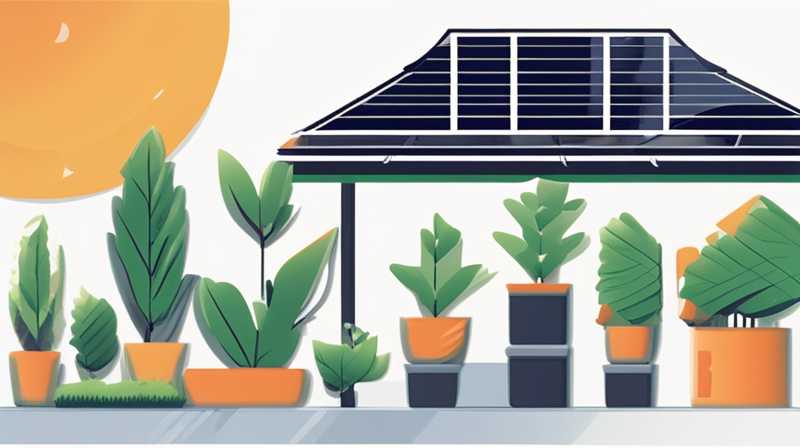
To effectively harness and integrate solar energy in a roof garden, one must prioritize several essential elements. 1. Understanding solar panel installation is crucial, ensuring optimal placement for maximum sunlight exposure. 2. Choosing the right type of solar technology, such as photovoltaic or solar thermal, is vital for the energy needs of the garden. 3. Properly managing energy storage systems, like batteries, enhances energy use efficiency. 4. Incorporating sustainability practices in garden planning improves the overall synergy between the garden and solar energy use, fostering an eco-friendly environment. Each of these components plays a significant role in creating a roof garden that not only thrives but also contributes positively to energy sustainability, particularly in urban settings where green spaces are often limited. For instance, understanding panel orientation and shading effects can drastically improve energy capture, demonstrating the need for educated planning in establishing a solar-powered roof garden.
1. SOLAR PANEL INSTALLATION: AN IN-DEPTH LOOK
The installation of solar panels on a roof garden involves a multi-faceted approach that requires careful consideration of various factors. The orientation and tilt of the solar panels are paramount, as they directly influence energy production efficiency. Ideally, panels should be positioned to maximize exposure to sunlight throughout the day. South-facing orientations generally yield the highest energy output, particularly in the Northern Hemisphere, as the sun travels across the southern sky. Additionally, the angle at which panels are installed can also impact their performance. A tilt that aligns with the seasonal path of the sun can optimize solar energy harnessing throughout the year.
Moreover, the structural integrity of the rooftop garden must be examined prior to installation. Roofs need to be able to support the weight of the solar panels, their mounting equipment, and any additional infrastructure that may be necessary. Conducting a thorough assessment of the roof’s load-bearing capabilities and ensuring that it is free from leaks or rot are initial steps that cannot be overlooked. Engaging with experienced contractors who specialize in solar energy installations will facilitate a smoother process and adherence to safety standards and building regulations.
2. CHOOSING THE RIGHT SOLAR TECHNOLOGY
When selecting solar technology for a roof garden, two primary options emerge: photovoltaic (PV) panels and solar thermal systems. Photovoltaic panels convert sunlight directly into electricity, making them a popular choice for urban gardening projects that aim to power lights, pumps, or even heating elements for greenhouses. They are versatile and can be connected to the grid or used in an off-grid setup, depending on the energy requirements of the garden.
Alternatively, solar thermal systems harness sunlight to heat water, which can be pivotal for irrigation or heating a growing environment. This method is particularly effective if the roof garden includes a greenhouse, as the temperature management can extend the growing season. Integrating both systems could enhance energy efficiency if carefully planned. For example, utilizing PV panels to power water pumps while employing solar thermal technology for heating water solutions creates a comprehensive approach to energy use.
Furthermore, consideration of the aesthetic and functional aspects of each technology is essential. Modern breakthroughs have resulted in architectural solar panels that blend seamlessly with roofing materials, thereby preserving the visual appeal of the garden. Selecting solar solutions that do not compromise the garden’s design can enhance the overall aesthetic while providing functional benefits.
3. ENERGY STORAGE AND MANAGEMENT SYSTEMS
An effective roof garden that employs solar energy must include a comprehensive energy storage and management system. Given that solar energy is generated primarily during daylight hours, it is essential to develop a strategy for storing that energy for use during the evening or cloudy days. Batteries play a crucial role in this scenario, allowing for the collection and retention of solar energy. Lithium-ion batteries, for instance, have gained popularity due to their efficiency and longevity.
Selecting an appropriate storage capacity is integral to accommodating a roof garden’s energy consumption needs. Conducting an energy audit, which assesses wattage requirements of various appliances used within the garden, can inform battery capacity decisions. For instance, the daily energy demand for garden lighting or irrigation systems can help determine the size of the battery system.
Equally important is the management of energy usage to ensure sustainability. Smart energy management systems can monitor and control energy distribution throughout the day, making adjustments based on generation and consumption patterns. Moreover, adopting a demand-response strategy, where energy usage is adjusted in response to the availability of solar energy, can minimize reliance on grid-based energy, enhancing the garden’s ecological footprint.
4. INCORPORATING SUSTAINABILITY PRACTICES IN GARDEN PLANNING
In designing a roof garden to effectively utilize solar energy, integrating sustainability practices into the planning process is of utmost importance. Water conservation strategies must be implemented, such as collecting rainwater and using drip irrigation systems. This ensures minimal wastage and enhances the ecological integrity of the garden. By aligning energy use with sustainable water management, the garden can thrive without putting undue stress on local water resources.
Furthermore, selecting native and drought-resistant plants is a crucial aspect of creating a sustainable roof garden. These species typically require less water, making them more resilient and adaptable to varying climatic conditions. Additionally, their ability to thrive in local environments promotes biodiversity and enhances the ecological footprint of urban areas. Incorporating composting systems to recycle organic waste generated from the garden into nutrient-rich soil is another sustainable practice that can bolster plant growth while reducing waste.
Lastly, educational components can also play a pivotal role in promoting sustainability. Establishing community involvement and workshops focused on sustainability practices can spur interest and inspire others to utilize solar energy effectively, further reducing the urban heat island effect. By cultivating an awareness of the connection between solar energy and sustainable gardening, roof gardens can serve as models for eco-friendly urban living.
FAQs
HOW DO SOLAR PANELS WORK?
Solar panels operate on the principle of converting sunlight into electricity using photovoltaic cells. When sunlight strikes these cells, it excites electrons, generating a flow of electricity. The basic components of solar panels include solar cells, a protective glass cover, a metal frame, and an inverter that converts the generated DC electricity into AC electricity for use in homes and appliances. The efficiency of solar panels is determined by factors such as the angle of installation, temperature, and shading. Consequently, proper placement and maintenance are critical to optimizing performance.
WHAT ARE THE BENEFITS OF INSTALLING SOLAR PANELS ON A ROOF GARDEN?
Installing solar panels on a roof garden provides numerous advantages. Primarily, it allows for the generation of clean, renewable energy, which significantly reduces reliance on fossil fuels and lowers energy bills. Additionally, solar panels can create a microclimate on the roof, reducing heat absorption and promoting a more pleasant environment for garden plants. They also contribute to the increase of green space in urban areas, improving air quality and fostering biodiversity. Furthermore, governmental incentives and tax credits for solar installations make this sustainable choice an economically viable option for homeowners.
WHAT TYPES OF PLANTS ARE SUITABLE FOR A ROOF GARDEN WITH SOLAR PANELS?
When planning a roof garden with solar panels, it is vital to select plants that thrive under varying sunlight conditions. Drought-resistant and low-maintenance plants are ideal, as they require less water and upkeep. Succulents, native grasses, and various herbs can flourish in such settings. Additionally, incorporating vertical garden systems can maximize space and create additional greenery while ensuring the plants do not shade solar panels excessively. By choosing appropriate plant species, gardeners can create a sustainable and visually appealing environment that coexists harmoniously with solar technology.
By integrating solar energy into a roof garden, one can cultivate a sustainable oasis in urban settings while simultaneously contributing to energy conservation efforts. The interplay between solar technology and horticulture offers an innovative approach that addresses environmental challenges, proving pivotal in today’s eco-conscious world. Each aspect, from careful planning of solar panel installation to the selection of appropriate plants and the implementation of energy management systems, plays a crucial role in ensuring the roof garden thrives while effectively utilizing renewable energy. Creating a synergy between solar power and green spaces not only optimizes urban environments but also advances the cause of sustainability and environmentally responsible practices. Thus, when embarking on the journey of establishing a solar-powered roof garden, one should remain cognizant of the intricate relationship between energy production, ecological practices, and urban design, crafting spaces that harmonize nature’s beauty with modern technological advancements.
Original article by NenPower, If reposted, please credit the source: https://nenpower.com/blog/how-to-deal-with-solar-energy-in-roof-garden/

