

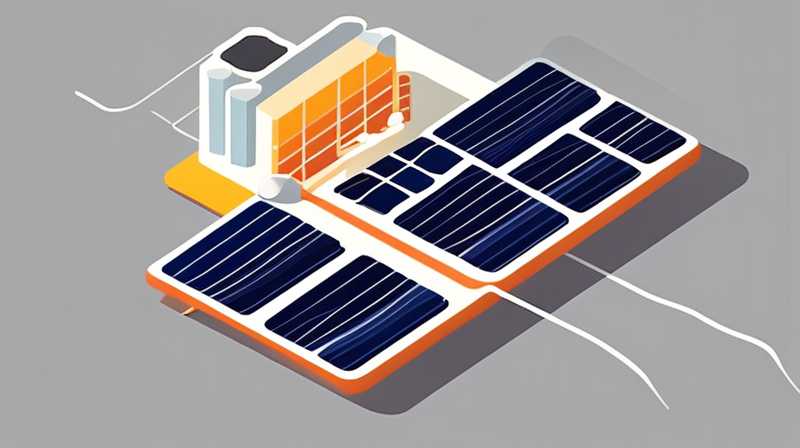
To establish a connection between the circuits on solar panels, you must follow several specific steps and techniques. 1. Understand solar panel configuration, 2. Identify the type of connections needed, 3. Use appropriate tools and materials, 4. Ensure safety precautions during assembly. Understanding the configuration of solar panels is essential for determining how to connect them effectively. Solar panels can be wired together in series or parallel connections, and each method has distinct implications for system voltage and current. Elaborating, in a series connection, the voltage increases while current remains the same, which is advantageous if higher voltage is desired. Conversely, a parallel connection maintains the voltage but increases the current, beneficial for reducing resistance and maintaining system efficacy. To optimize the performance and longevity of a solar power system, mastery of connecting circuits on solar panels is crucial.
1. UNDERSTANDING SOLAR PANEL CONFIGURATION
Solar panels are integral components of any photovoltaic system, converting sunlight into electrical energy. To effectively connect circuits on solar panels, it is crucial to grasp their core configurations: series and parallel. A series configuration involves connecting solar panels in a chain, where the positive terminal of one panel connects to the negative terminal of the next. This arrangement significantly boosts the overall voltage output, making it suitable for applications requiring higher voltage levels. When solar panels are connected in series, the total voltage outputs add up, while the current remains consistent across the chain.
In contrast, a parallel configuration ensures that the positive terminals of all panels connect together, along with their respective negative terminals. This setup keeps the voltage constant while enhancing the total current output. The benefits of this configuration include a lower risk of system failure, as a malfunction in one panel does not significantly affect the others. Exploring these configurations aids in determining the optimal connection method based on the specific energy requirements and characteristics of the solar setup.
2. IDENTIFYING CONNECTION TYPES
Differentiating between series and parallel connections necessitates an understanding of their impacts on energy production and system performance. In systems designed for maximum power output, one must select connections based on the voltage and current needs of the appliances or infrastructure being supported. For instance, if operating a battery bank requiring a specific voltage threshold, the series configuration is often the preferred choice.
However, for applications requiring extended current capacity without elevating voltage to excessive levels, parallel arrangements may prove more efficient. It is also imperative to consider how environment factors, such as shade potential or temperature fluctuations, could impact performance. In environments where shading is a concern, employing parallel configurations might provide a more resilient system, diminishing the overall impact of shading on power generation from other panels. Analyzing both configurations will render a clearer understanding of the implications of each choice on system performance.
3. TOOLS AND MATERIALS
Embarking upon the connection of circuits requires specific tools and materials to ensure optimal results and operational safety. Fundamental tools include wire strippers, connectors, a multimeter, and appropriate cabling. Wire strippers enable the removal of insulation from wires, facilitating secure connections. Connectors facilitate the linking of panel circuits, ensuring a strong electrical bond. Employing the right gauge wire is vital, as insufficient wire thickness can lead to overheating and potential system failure.
Moreover, utilizing a multimeter to check connections is essential for verifying that circuit integrity is maintained throughout the assembly process. It is also wise to acquire circuit breakers or fuses, which act as safety measures against electrical surges and potential fires. Understanding the specifications and standards for wiring and connectivity is crucial to avoid future issues, enhancing both functionality and lifespan.
4. SAFETY PRECAUTIONS
When working on electrical systems such as solar panels, emphasizing safety precautions is non-negotiable. Ensuring the system is disconnected from power sources before commencing any work is the foremost step in preventing accidents. This precaution avoids electrical shocks and potential equipment damage. Wearing protective gear, including gloves and goggles, serves as an additional safety measure. These items safeguard against possible splinters or electrical arcs that may arise during wire connections.
Additionally, conducting work in dry conditions is advisable. Moist surfaces can increase the risk of electrical shocks, making it imperative to choose the environment carefully before proceeding. Having a first aid kit nearby ensures immediate action can be taken in the event of an incident. By observing these practices diligently, risks associated with connecting solar panel circuits can be significantly reduced.
FAQs
WHAT IS THE DIFFERENCE BETWEEN SERIES AND PARALLEL CONNECTIONS IN SOLAR PANELS?
In solar panel setups, the distinction between series and parallel connections fundamentally revolves around their influence on voltage and current output. In a series configuration, multiple solar panels are connected end-to-end; this arrangement leads to an increase in total voltage while maintaining the same current. The advantage of this setup is primarily observable in systems that require higher voltage for operation, such as large-scale energy consumption or when charging batteries that operate at elevated voltage levels.
Conversely, in a parallel connection, the positive and negative terminals of solar panels are connected with each other, which keeps the overall voltage consistent while the total current increases. This configuration is beneficial in scenarios where sustaining the same voltage, alongside augmented current, is desired, promoting a more stable energy output. It is essential to assess the specific energy needs and possible power draw before deciding on the connection type, ensuring alignment of the configured system with operational requirements.
HOW DO I DETERMINE THE NUMBER OF PANELS NEEDED?
Assessing the requisite number of solar panels involves a methodical approach to energy consumption assessment. It’s crucial to calculate the total energy needs, typically expressed in kilowatt-hours (kWh). Begin by reviewing past utility bills to gauge monthly usage, factoring in seasonal variations and future electrical consumption trends. After determining total energy needs, identifying the wattage rating of the selected solar panels is vital; this information allows for more precise calculations.
Next, divide the total energy requirements by the expected production capacity of each panel, taking into account peak sunlight hours available in the installation area. This calculation yields the estimated number of panels necessary to sufficiently meet energy demands. It may also be prudent to consider additional panels to enhance efficiency and accommodate future expansion or increased energy needs, ensuring that energy consistency is maintained.
WHAT KIND OF MAINTENANCE DO SOLAR PANELS REQUIRE?
Maintenance of solar panels focuses on ensuring that they operate at peak efficacy throughout their lifespan. Regular cleaning of the panels is crucial, as dust, debris, and bird droppings can significantly diminish their ability to capture sunlight. Depending on regional factors such as rain and local pollution levels, the frequency of cleaning can vary—most often, panels require cleaning every few months or more frequently in particularly dusty or polluted environments.
In addition to regular cleaning, it’s important to conduct periodic inspections of the entire solar system, including wiring, connectors, and inverters. Monitoring for any signs of wear, corrosion, or physical damage ensures that minor issues can be addressed promptly, preventing further complications that could compromise system integrity. By maintaining a proactive approach through regular inspection and cleaning, solar panels can continue to function optimally over their expected lifespan.
Connecting the circuits on solar panels is a critical process that offers numerous benefits, including increased energy efficiency and longevity of the system. Mastery of solar panel configurations—both series and parallel—ensures that users can tailor their setup to meet specific energy requirements. Understanding the implications of each connection type, such as voltage and current output, is fundamental to maximizing the system’s performance. Moreover, familiarity with the proper tools and materials required for assembly cannot be overstated; a well-equipped toolkit enhances the overall quality and safety of the installation. Assembling a solar power system necessitates a stringent adherence to safety protocols, safeguarding against the myriad risks associated with electrical work. Furthermore, the significance of ongoing maintenance practices ensures the longevity and reliability of the solar panels. By engaging in thorough cleaning and regular inspections, users can optimize energy output and effectively avert potential problems. Ultimately, the methodical connection of solar panel circuits not only empowers users to harness renewable energy but also cultivates a sustainable approach towards energy consumption that greatly benefits both the individual and the environment.
Original article by NenPower, If reposted, please credit the source: https://nenpower.com/blog/how-to-connect-the-circuits-on-the-solar-panels/

