

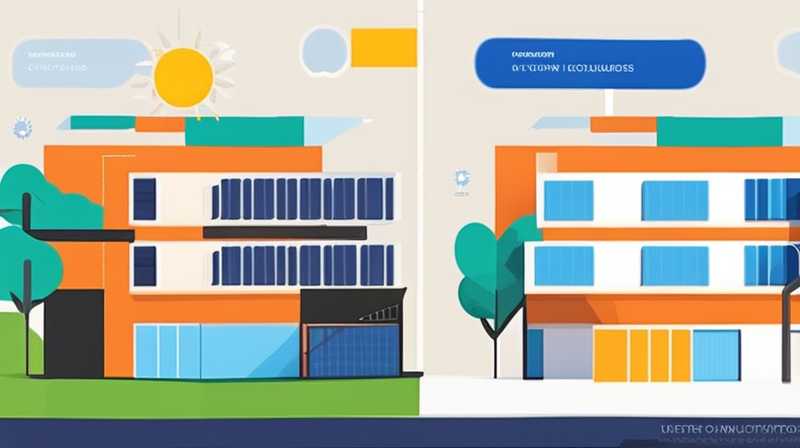
1. Effective installation of solar panel lights can be broken down into several crucial components: 1. Assess the location for optimal sunlight exposure, 2. Choose suitable solar lights that meet energy needs, 3. Properly mount fixtures to maximize light distribution, 4. Consider integration with building architecture for aesthetic appeal. Elaborating on the first point, assessing location ensures that solar panels receive sufficient sunlight throughout the day, thereby enhancing efficiency and performance. Including considerations such as the direction of the sunlight, nearby obstructions like trees and buildings, and seasonal variations can significantly improve overall energy generation.
UNDERSTANDING SOLAR TECHNOLOGY
Utilizing solar panel lights represents an innovative solution for illuminating spaces sustainably. As global awareness of environmental issues continues to rise, solar energy offers an excellent means of integrating renewable resources into modern construction. The revolutionary nature of solar panel technology enables buildings to decrease dependency on traditional electricity sources while simultaneously providing a cost-efficient method for lighting.
Solar lights function by converting sunlight into electrical energy through photovoltaic cells. During daylight hours, these cells collect solar energy and store it in built-in batteries, which then power the lights after dark. Different designs vary in efficiency, power capacity, and durability, with numerous styles available to suit diverse architectural scenarios.
Understanding efficiency ratings and battery capacity is essential when selecting solar panel lights. Higher efficiency reflects a greater conversion of sunlight to electricity, while superior battery capacity allows for longer illumination times. Therefore, when considering solar lighting, it is critical to examine both the specifications of the solar panel system and the resultant implications for building design and functionality.
SELECTING THE OPTIMAL EQUIPMENT
As with any installation, the choice of equipment plays a vital role in the overall performance of solar panel lights. Factors such as energy output, design compatibility, and ease of installation are paramount to achieving desired outcomes. Choosing the correct type of solar lighting involves balancing brightness with operational duration. A well-lit area will enhance safety and usability, emphasizing the need for careful selection.
In commercial and residential applications, it is helpful to understand the distinction between integrated solar lights and standalone panels. Integrated lights come with built-in solar panels and batteries, while standalone systems might allow for a broader installation range. Evaluating these options based on both functionality and aesthetic appeal can lead to improved integration with the architectural elements of new buildings.
Additionally, understanding the wattage requirements associated with different lighting needs will aid in making informed decisions. For instance, pathways may require less intensity than open spaces, allowing for a tailored approach to lighting fixtures. Paying careful attention to both the ambient light possibilities and the architectural context will also yield better alignment with design principles.
MOUNTING AND INSTALLATION TECHNIQUES
Beyond equipment selection, the process of mounting solar lights is integral to achieving effective performance. Proper installation encompasses various techniques that influence light distribution and durability. Depending on the design and location of the building, three mounting techniques can enhance functionality: wall-mounted, post-mounted, or ground-mounted.
Wall-mounted installations are highly effective for illuminating the sides of buildings and enhancing security features. These fixtures can be installed at various heights, adjusted based on the desired lighting spread and intended function. For instance, mounting lights higher can cast broader beams, while lower placements may promote concentrated illumination.
Post-mounted options provide flexibility for placement across larger properties or yard areas. Typically found in gardens or along pathways, post lights vary in style and brightness. Proper leveling and anchoring of post fixtures is crucial to withstand weather conditions and maintain their position over time. Additionally, ensuring the right height helps achieve an optimal balance between aesthetics and functionality.
Lastly, ground-mounted fixtures serve to blend seamlessly with landscaping elements. Typically used to illuminate walkways or flowerbeds, these fixtures require careful placement to avoid disruption from landscaping equipment. Correct positioning can guide visitors safely while enhancing the visual appeal of outdoor spaces.
INCORPORATING SOLAR LIGHTING INTO ARCHITECTURAL DESIGN
Integrating solar panel lighting within new buildings requires a thoughtful approach. Architects and builders must consider the site layout, building orientation, and landscape features when designing lighting that harmonizes with architecture. By doing so, solar lighting can contribute not only to functionality but also to the aesthetic coherence of the overall design.
Design consideration can lead to the selection of fixtures that not only blend with the aesthetic of the building but can also become prominent features. Using sleek and modern panels can enhance contemporary designs while traditional forms offer a classic appeal. Additionally, the choice of finishes and materials for fixtures can contribute to the broader design narrative of the property, reinforcing the intended atmosphere.
Moreover, the landscaping aspect plays a crucial role in the integration of solar lighting. When mapping out areas, consider how landscaping can either enhance or obstruct sunlight access. Strategic placement of trees, shrubs, or other vegetation should encourage solar exposure while enhancing natural beauty.
MAINTENANCE CONSIDERATIONS FOR SOLAR LIGHTS
Maintaining solar lights is less labor-intensive than traditional electrical systems, but certain regular upkeep practices can ensure longevity and consistent performance. Regular cleaning of solar panels must be prioritized to maximize energy absorption. Dust, debris, and snow can diminish the efficiency of panels, which necessitates routine inspections and cleaning.
Additionally, battery replacement should be considered as part of maintenance. The lifespan of batteries can vary, typically ranging from three to five years, depending on usage and environmental conditions. Being proactive regarding battery health can prevent unexpected downtimes, allowing the solar lights to function reliably throughout their lifespan.
Furthermore, it is prudent to review the manufacturer’s guidelines for troubleshooting and care. Understanding common issues can facilitate quicker resolutions and a better experience overall. Whether dealing with wiring, unwanted obstructions, or faulty components, being informed aids in maintaining smooth operation.
COST ANALYSIS AND FINANCIAL IMPLICATIONS
When discussing solar panel lights, it is essential to perform a thorough cost analysis. While the upfront investment may seem considerable, it is vital to evaluate long-term savings associated with reduced energy costs. Calculating payback periods involves considering initial expenditures against expected energy savings over time.
Furthermore, various governments and organizations may offer incentives for solar energy use, which can provide financial relief. Grants, tax credits, or rebates can significantly offset costs, making solar lighting installations more financially feasible for building projects.
Comparison of lifespan and energy efficiency with conventional lighting solutions further highlights the benefits. While traditional lighting incurs continuous electricity costs, solar-powered options capitalize on free energy from the sun, allowing property owners to enjoy substantial savings over an extended period.
Stakeholders should not overlook maintenance costs, which tend to remain lower with solar lights. Ultimately, a comprehensive evaluation of these financial aspects can inform decisions beneficial to both the environment and the bottom line.
FAQs
WHAT ARE THE BENEFITS OF SOLAR PANEL LIGHTS IN NEW BUILDINGS?
The incorporation of solar panel lights in new constructions offers numerous advantages, paving the way for energy efficiency and sustainability. To begin with, utilizing solar energy significantly reduces reliance on conventional electrical systems, promoting environmental conservation. This transition helps mitigate greenhouse gas emissions, contributing to a more sustainable future. Additionally, solar lights operate independently, which results in lower operational expenses due to the absence of electricity costs for lighting. They harness energy during daylight hours, storing it for use at night — ultimately yielding cost-saving potential for property owners.
Moreover, the versatility in design and functionality of solar lights lends them adaptability to various architectural styles, enhancing both aesthetic appeal and utility. Furthermore, their effortless installation process dictates minimal infrastructure alterations, making them an ideal option for new buildings. With the introduction of sensible energy solutions, property owners can capitalize on potential government incentives and rebates, further contributing to financial viability. Beyond the fiscal advantages, the use of solar lighting contributes to promoting awareness of renewable resources, fostering positive community engagement in sustainability practices.
HOW DO I DECIDE ON THE RIGHT SOLAR LIGHTS FOR MY PROPERTY?
Choosing the right solar lights requires careful consideration of several critical aspects to ensure optimal performance and compatibility with the property. The initial step involves assessing the intended lighting purpose. Is the aim to illuminate pathways, provide security, enhance landscaping features, or satisfy all these requirements? Each application demands different types of fixtures, and identifying these needs will guide the selection process effectively.
Another primary factor is evaluating the average solar exposure of the installation site. Locations with ample sunlight will enhance the efficiency of solar panels and, consequently, the lighting performance. Pay attention to nearby obstructions such as trees or buildings that may cast shadows on the solar lights, thereby limiting their effectiveness. Additionally, reviewing weather conditions typical for the area can lend insight into the durability necessary for selected materials.
Lastly, it is essential to consider the aesthetic component, including design and finish compatibility with the building’s architecture. Ensuring that the solar lights harmonize with the larger design vision will facilitate an enhanced overall visual effect. Conducting a thorough analysis, weighing all these criteria, will support informed decision-making when selecting the most suitable solar lights.
WHAT SHOULD I CONSIDER REGARDING MAINTENANCE OF SOLAR LIGHTS?
Although solar lights generally require minimal upkeep compared to traditional lighting, certain maintenance routines can significantly extend their lifespan and efficiency. Cleaning the solar panels should be prioritized to ensure that the collection of sunlight remains optimal. This entails regular inspections, especially after severe weather events, and cleaning off any debris or dust that may accumulate over time.
Additionally, monitoring the battery condition is essential to prevent performance degradation. Batteries have a finite lifespan, and understanding when replacements are necessary is crucial for maintaining uninterrupted illumination. It is advisable to maintain a record of battery replacement schedules and recommended voltage checks to ensure optimal function.
Reviewing manufacturer guidelines for troubleshooting potential issues also plays an essential role in maintenance. Having a clear understanding of common problems and remedies allows property owners to act swiftly should malfunctions arise. Performing routine checks and adhering to best practices will ensure that solar lighting installations continue to function efficiently and effectively over time.
The integration of solar panel lights in modern architecture not only emphasizes environmental responsibility but also showcases a progressive approach to energy solutions. Incorporating long-lasting and energy-efficient systems highlights a building’s commitment to sustainability and innovation. Thorough research into equipment, installation techniques, and maintenance routines will result in successful deployments that enhance both aesthetics and functionality. Ultimately, the shift towards solar energy signifies a commitment to a greener future while addressing pressing energy concerns. Stakeholders must recognize the importance of this paradigm shift, making deliberate choices that reflect broader environmental goals and practical considerations for countless generations to come.
Original article by NenPower, If reposted, please credit the source: https://nenpower.com/blog/how-to-connect-solar-panel-lights-in-new-buildings/

