

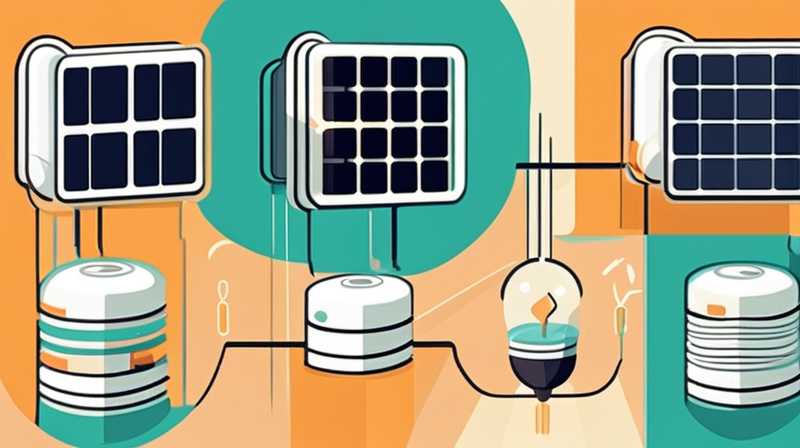
Connecting solar lighting to electricity involves a systematic approach that integrates solar technology with traditional electrical systems. Here are the essential steps and considerations: 1. Identify your solar light type, 2. Choose the appropriate wiring, 3. Connect the light to the electrical system, 4. Ensure proper safety measures, 5. Test the installation. Each step plays a critical role in ensuring efficient energy utilization and system reliability.
1. INTRODUCTION TO SOLAR LIGHTING TECHNOLOGY
The advent of solar technology has revolutionized the way energy is harnessed for everyday applications. The integration of solar lights with conventional electricity presents a viable ecological solution, promoting sustainability while addressing energy demands. Solar lights are primarily classified based on their utility; they can be decorative, functional, or security-oriented. Understanding these categories is pivotal for making informed choices on the type of solar lighting and its connection to an electrical system.
Solar lights essentially contain photovoltaic (PV) cells that convert sunlight into usable energy. These cells store energy during the day in batteries, which helps illuminate spaces after sundown. This dual functionality—operating independently through solar energy or integrating into the electrical grid—enables users to enjoy flexibility in energy consumption. The process of connecting solar lights to conventional electricity is intricate yet rewarding, fostering both energy autonomy and reduction in utility bills.
2. UNDERSTANDING THE COMPONENTS OF SOLAR LIGHTS
Before embarking on the installation journey, it is crucial to fathom the vital components of solar lights. The key parts include, photovoltaic panels, batteries, LED bulbs, and a control unit.
- Photovoltaic Panels: These panels are responsible for capturing sunlight and converting it into electricity. They come in various sizes and power ratings, directly influencing the amount of energy generated. Selecting the right size is critical for matching energy production with consumption needs.
- Batteries: The energy collected by the PV panels gets stored in batteries for later use when sunlight is absent. The capacity and type of batteries used will significantly impact the performance and uptime of solar lights. Lithium-ion batteries are favored for their longevity, while lead-acid batteries are more economical but have a shorter lifespan.
3. PREPARING FOR INSTALLATION
Prior to the actual connection of solar lights to the electrical grid, extensive preparation is paramount. Understanding local regulations, consulting with professionals, and gathering the right tools will facilitate a smoother installation process.
- Regulatory Considerations: Different regions have varying regulations concerning solar installations. Complying with these regulations not only assures legality but also enhances safety standards. It is prudent to check if permits are required for connecting solar lights to the electrical grid in your area.
-
Professional Consultation: While DIY installations are possible, consulting professionals offers invaluable insights. Experts can accurately assess the suitability of your current wiring for solar integration and provide tailored advice on optimizing the installation process.
4. SELECTING THE APPROPRIATE WIRING
Choosing suitable wiring for your solar light installation is indispensable. The appropriate gauge and insulation type ensure that energy flows effectively between your light system and the main electrical supply. Considerations herein include the gauge of the wire, insulation type, and the protection against environmental elements.
- Gauge of the Wire: The wire gauge determines how much current can safely flow through. Smaller gauge values represent thicker wires capable of carrying more current, hence reducing voltage drop. Convenience in purchasing wiring is facilitated through standardized gauges, such as AWG (American Wire Gauge), which distinctively contrasts the limitations of each wire type based on their diameter.
-
Insulation Type: Wiring must be resistant to environmental factors—exposure to moisture, heat, and extreme weather can decrease efficiency. UV-resistant and waterproof wires are preferred where outdoor exposure is prevalent. Furthermore, the longevity of the insulation contributes significantly to the durability of the entire lighting system.
5. CONNECTING SOLAR LIGHTS TO ELECTRICITY
Once all preparatory steps are adhered to, the actual connection of solar lights to the electricity grid can commence. This procedure should be undertaken with careful attention to safe practices and effective methods. Connection tasks include ensuring proper wiring installation, hooking up the solar lights, and integrating into the grid.
- Proper Wiring Installation: Begin by aligning the solar panels for optimal sunlight exposure. After securing them, connect the wiring according to the specific design of the solar system in use, ensuring insulated connections to prevent short-circuits. Additionally, junction boxes may be utilized to encase these connections securely.
-
Integration into the Grid: The solar light system may require a designated inverter to convert the DC (direct current) from solar cells into AC (alternating current) suitable for home use. Connect the inverter to the battery bank and ensure proper wiring to the home’s electrical panel. Sealing the connections protects them from the elements, ensuring safety.
6. ENSURING SAFETY MEASURES
Maintenance of safety throughout the installation process and ongoing operation of solar lights is paramount. Safety measures include utilizing circuit breakers, adhering to voltage ratings, and implementing grounding techniques.
- Circuit Breakers: Incorporating circuit breakers into your solar light installation offer pivotal security against electrical surges. In case of faults, circuit breakers cut off electrical flow, protecting the entire solar system from damage.
-
Grounding Techniques: Grounding not only ensures the safety of the electrical system, but it also protects individuals from potential electrical shocks. This involves connecting specific parts of the solar system to the ground, ensuring that electricity flows harmlessly into the earth in the event of faults.
7. TESTING AND OPTIMIZATION
After installing and connecting solar lights to the electrical system, thorough testing is integral to ascertain functionality and identify issues. This phase allows for adjustments to be made, enhancing the overall efficiency of the setup. Testing methods include measuring voltage outputs, confirming battery charge levels, and inspecting connections.
- Measuring Voltage Outputs: Utilize a multimeter to check the voltage outputs of solar panels and batteries. Monitoring these outputs helps evaluate whether solar panels effectively convert sunlight into energy and if batteries are charging correctly.
-
Inspecting Connections: Post-installation inspections should be periodically conducted to identify potential disconnections and frays in wiring. Regular inspections can preemptively mitigate risks associated with electrical malfunctions, thereby enhancing reliability.
FAQs
CAN SOLAR LIGHTS BE CONNECTED DIRECTLY TO AN ELECTRICITY GRID?
Yes, solar lights can be connected to an electricity grid, but it requires an inverter for conversion of energy types. This inverter transforms DC from solar panels into AC, which is utilized by mains electricity. When linking to the grid, adhere to local regulations and safety standards.
HOW LONG DO SOLAR LIGHTS LAST ONCE CONNECTED TO ELECTRICITY?
Once connected to an electricity grid, solar lights can last indefinitely, provided that the components—particularly batteries—are properly maintained. Generally, high-quality lithium batteries may last anywhere from 5 to 15 years, depending on use and environmental conditions. Routine checks can prolong their lifespan significantly.
WHAT MAINTENANCE DOES A SOLAR LIGHT SYSTEM REQUIRE?
Routine maintenance of a solar light system enhances performance and lifespan. Regular inspections for dirt on solar panels, checking battery levels, and ensuring connections remain intact are vital. Additionally, replacing batteries as their lifespan ends is essential for consistent functioning.
In summary, connecting solar lights to electricity is a structured process that encompasses evaluating components, preparing for installation, selecting appropriate wiring, safely linking into the electric grid, and performing routine maintenance. Understanding these phases assures optimal functionality and longevity of the system. Performing tests after installation also guarantees that each element operates as designed. By implementing the guidelines provided here, users can effectively harness solar technology, integrate it with traditional systems, and promote an eco-friendly lifestyle while reaping the benefits of renewable energy.
Original article by NenPower, If reposted, please credit the source: https://nenpower.com/blog/how-to-connect-solar-light-to-electricity/

