

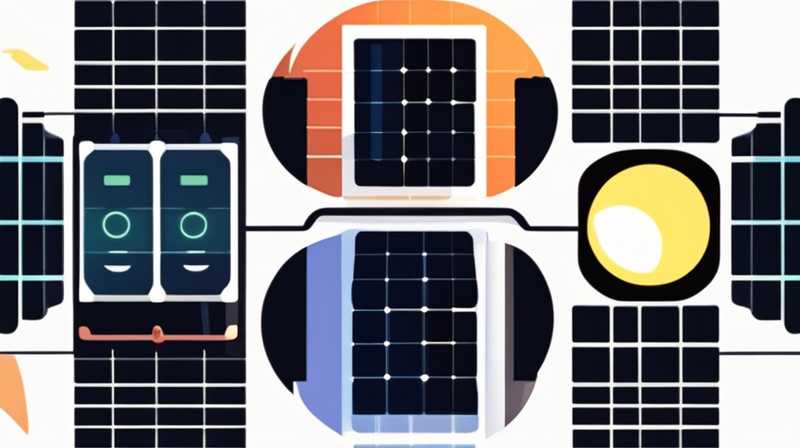
To successfully connect a light to a solar panel, follow these essential steps: 1. Select the right components, 2. Prepare the installation area, 3. Connect the solar panel to a charge controller, 4. Attach the battery to store energy, 5. Connect the light fixture to the system. The most critical step is the selection of components, which requires ensuring compatibility between the solar panel output voltage and the light’s specifications.
1. UNDERSTANDING SOLAR PANEL OUTPUT
Solar panels convert sunlight into electricity, and their output is determined by several factors, including the panel’s wattage and the amount of sunlight it receives. Most panels generate Direct Current (DC) electricity, typically in a range of 12 to 24 volts.
The significance of choosing the correct solar panel cannot be overstated. It is vital to match the solar panel output to the requirements of the lighting system you intend to connect. If the light fixture operates at a higher voltage than the solar panel can produce, it may lead to insufficient energy, causing the light to flicker or not work at all. Analyzing both the technical specifications of the solar panel and the lighting system ensures optimal performance.
Factors such as geographic location, the angle at which the solar panel is installed, and seasonal changes can heavily influence solar panel output. This variability necessitates careful planning and perhaps additional components, like an energy storage solution, to ensure a steady energy supply, especially during periods of low light.
2. SELECTING THE RIGHT COMPONENTS
Choosing the appropriate solar panels, batteries, and light fixtures is the groundwork for a successful installation. When considering solar panels, businesses and homeowners alike often face the dilemma of selecting between monocrystalline or polycrystalline types. Monocrystalline panels tend to be more efficient and space-saving, while polycrystalline panels offer a more cost-efficient alternative with slightly lower efficiency.
For batteries, lead-acid options have long been the standard; however, Lithium-ion batteries are gaining popularity thanks to their longer lifespan and reduced maintenance needs. The capacity of the battery plays a crucial role, as it determines how much energy can be stored. Choosing a battery with sufficient capacity ensures that your lighting system remains functional during periods of cloudy weather or nighttime hours.
The selection of light fixtures should also match the system’s specifications. LEDs are the preferred choice due to their energy efficiency and long lifespan. Their low energy use helps ensure that the energy collected during the day is sufficient for nighttime illumination.
3. INSTALLATION PREPARATIONS
Before embarking on the actual connection, an evaluation of the installation area is essential. Proper placement of the solar panel is crucial for maximizing sunlight exposure. Ideally, solar panels should be installed in a location free from shading caused by trees, buildings, or other obstructions. An area facing south (in the northern hemisphere) typically receives optimal sunlight throughout the day.
Additionally, a level surface for mounting the solar panel is highly advisable. It’s essential to secure the installation to withstand winds or severe weather conditions. Various mounting brackets are available in the market, so selecting reliable and appropriate mounting hardware is vital. Ensure that bolting and securing the solar panel follows local building codes to mitigate legal issues.
Consideration of weather factors—such as snowfall or heavy rain—is also essential in the planning phase. For instance, if your area experiences heavy snowfall, consider a tilt or angle that allows snow to slide off the panel naturally. This choice prevents accumulation that could obstruct power generation.
4. CONNECTING TO A CHARGE CONTROLLER
The role of a charge controller in a solar-powered lighting system is pivotal. It regulates the voltage and current coming from the solar panels to the batteries, preventing overcharging or excessive discharging, which can shorten the battery’s lifespan. Two types of charge controllers are commonly used: Pulse Width Modulation (PWM) and Maximum Power Point Tracking (MPPT) controllers.
PWM controllers are ideal for smaller systems and simpler tasks such as connecting lights directly. They work by adjusting the output voltage to match the battery’s charging needs. In contrast, MPPT controllers are better for larger installations. They maximize the energy harvested from the solar panels, adapting to variable conditions, thus optimizing overall system performance.
Properly connecting the charge controller to both the solar panels and the batteries involves following the manufacturer’s instructions meticulously. It’s crucial to ensure that connections are secure to avoid any potential shorts that can lead to system failures.
5. BATTERY CONNECTION AND MANAGEMENT
With the charge controller set, the next step involves linking the battery to the charge controller. The battery acts as the critical storage unit for energy collected throughout the day, ensuring that the lighting system can function during the night or times of low sunlight.
When connecting the battery, make sure that the polarity is correct. This means linking positive terminals to positive connections and negative terminals to negative connections. Incorrect connections can cause inefficiencies or even damage to both the battery and the solar panel.
Managing the battery also requires understanding the depth of discharge (DoD). This term refers to how much energy can be drawn from a battery relative to its total capacity without causing damage. Most batteries, particularly lead-acid types, should not be discharged below a certain percentage to prolong their lifespan. Adhering to these guidelines is integral to maintaining both storage quality and a reliable energy source for the lighting system.
6. CONNECTION OF LIGHT FIXTURES
The final aspect of the installation involves connecting the light fixtures to the battery. LED lights are often the go-to choice for solar systems due to their low energy requirements and high efficiency. When selecting the appropriate light fixture, make sure that it operates within the voltage output of the system.
For connections, ensure appropriate wiring options. Utilizing wiring that can handle the total current load is necessary to avoid overheating and potential hazards. Also, weatherproof fittings should be used, especially in outdoor applications, to guard against moisture, dirt, or animal interference.
After establishing the connections, test the entire system. Checking to see if the lighting operates as desired upon solar exposure is essential. This step ensures that all components are functioning correctly before concluding the installation process.
7. MAINTENANCE CONSIDERATIONS
A solar lighting system requires minimal maintenance, but some considerations can help prolong the lifespan and efficiency of the entire setup. Regular inspections of the panels are advisable to remove any debris that might block sunlight. This could include dust, leaves, or snow, significantly impacting output efficiency.
The batteries should also be checked periodically to ensure they are functioning within their optimal range. For certain types like lead-acid, topping off water levels may be needed to maintain performance. Investing time in monitoring these aspects guarantees that the investment in solar lighting continues to yield efficient and sustainable energy.
8. EXPANSION AND SCALABILITY
Should an individual wish to expand their solar system in the future, it’s essential to plan initial installations with scalability in mind. This means leaving room for additional panels, batteries, or lights without the need for a complete overhaul of the existing system. Consideration of the architectural layout and potential future energy needs during initial setup will allow for more straightforward integrations later.
Scalability also encompasses potentially employing more advanced technology, such as smart lighting systems that can be timed or scheduled with minimal manual intervention. Exploring available products in the market can help individuals make informed decisions on future enhancements.
FREQUENTLY ASKED QUESTIONS
WHAT TYPE OF SOLAR PANEL IS BEST FOR LIGHTING SYSTEMS?
The choice of solar panel for a lighting system depends on several factors, including efficiency, cost, and installation area. Generally, monocrystalline panels are considered superior due to their higher efficiency and longevity compared to their polycrystalline counterparts. In settings where space is limited, investing in monocrystalline technology ensures adequate energy generation. However, polycrystalline panels present a more cost-effective solution for larger installations. Understanding the specific energy needs of your lighting system plays a crucial role in making an informed decision, as it directly impacts both performance and financial investment.
CAN SOLAR LIGHTING SYSTEMS WORK DURING WINTER OR CLOUDY DAYS?
Yes, solar lighting systems can operate during winter or cloudy days, but their efficiency may be reduced. Battery storage becomes essential during these times, as they store energy collected during brighter days. The effectiveness of a solar system relies not just on the solar panel’s direct sunlight exposure but also on how well the system is designed to capture and retain that energy. Selecting a system with a battery capacity that aligns with the expected winter sunlight can help maintain operation without interruptions. Moreover, the angle of installation and the quality of the solar panels also contribute significantly to performance during such conditions.
WHAT IS THE AVERAGE LIFESPAN OF SOLAR BATTERIES?
The lifespan of solar batteries varies based on the type and how they are utilized. Generally, lead-acid batteries last around 3 to 5 years, while lithium-ion batteries can last between 10 to 15 years or more. Proper maintenance—such as avoiding deep discharges and ensuring the correct charging levels—can help extend battery life significantly. Monitoring performance and replacing batteries when they begin to show signs of deterioration is vital to ensure that the lighting system continues to function effectively.
Utilizing solar energy represents a progressive step towards sustainability, significantly reducing carbon footprints and harnessing natural energy. The thoughtful integration of solar panels, batteries, charge controllers, and lighting creates an efficient system that requires minimal maintenance. Emphasizing the importance of high-quality components and meticulous planning ensures that these systems offer a reliable energy source, capable of functioning in various conditions. As solar technology continues to evolve, options for enhancing and expanding such systems become more sophisticated, paving the way for an energy-efficient future. Hence, a proper understanding of each part of the installation process, from selecting components to engaging in routine maintenance, holds the key to optimizing performance. Investing in solar technology is not merely a trend; it is a commitment to fostering sustainability and responsible resource management, marking a step toward a brighter tomorrow for individuals and communities alike.
Original article by NenPower, If reposted, please credit the source: https://nenpower.com/blog/how-to-connect-a-light-to-a-solar-panel/

