

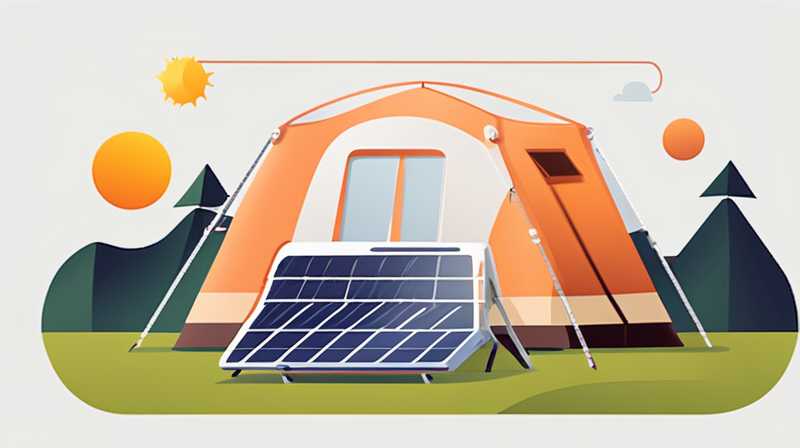
Choosing the right solar charging panels for camping involves several key considerations, including 1. Power Output Requirements, 2. Portability and Weight, 3. Type of Solar Panel, and 4. Durability and Weather Resistance. Understanding these factors will enable campers to select panels that can effectively meet their energy needs while maximizing convenience during their outdoor adventures. A thorough assessment of power output is crucial; campers must calculate their energy needs based on devices intended for use. This helps in selecting a solar panel system that provides sufficient power for charging all necessary equipment.
1. POWER OUTPUT REQUIREMENTS
Selecting solar charging panels for outdoor excursions necessitates a thorough understanding of power output requirements. This process starts with evaluating the total wattage consumption of devices intended for usage. Campers must consider not only the wattage but also the estimated usage time for each device. For instance, charging a smartphone typically requires approximately 5-20 watts, depending on the model and the extent of allowable usage. Contrarily, power-hungry devices like laptops may necessitate a significantly higher output, typically over 50 watts.
Once the wattage of devices is established, it’s prudent to assess how many devices will be used concurrently during camping trips. Summing up the wattages leads to a clearer picture of the total energy requirements. A panel with a power output exceeding the collective wattage of devices will ensure uninterrupted energy supply, especially when sunlight may not be abundant. Furthermore, it is beneficial to select panels with a higher efficiency rating to maximize energy capture during varying sunlight conditions. This can substantially influence the overall performance of the solar charging system at camp.
2. PORTABILITY AND WEIGHT
When embarking on a camping trip, the ease of transport becomes paramount in selecting solar charging panels. Portability relates not only to the overall dimensions of the panels but also to their weight. Lightweight options are highly sought after by campers, as they integrate seamlessly into backpacking gear without adding excess burden. Most manufacturers produce solar panels specifically designed for camping, which often feature foldable designs that simplify storage and transport.
Considering the weight distribution within a camping setup is equally important. Campers should contemplate how the weight of solar charging panels interacts with other equipment, such as tents, cooking gear, and personal items. This intricate balancing act can influence overall mobility while on the trail. Ideally, one should seek panels that balance power generation capabilities with a manageable weight, ensuring they serve their intended purpose without becoming an inconvenience. Evaluating multiple options before finalizing a decision enhances the likelihood of selecting the most suitable solar charging panel for specific travel needs.
3. TYPE OF SOLAR PANEL
The landscape of solar charging panels is vast, with various types available on the market, each showcasing unique characteristics that make them ideal for certain applications. The three main types of solar panels include monocrystalline, polycrystalline, and thin-film panels. Understanding these types assists in aligning the solar panel choice with camping requirements.
Monocrystalline panels are known for their high efficiency and durability, typically representing the most advanced technology in solar energy systems. Their design involves high-purity silicon, which permits more energy conversion, especially in low-light scenarios. Consequently, these panels tend to generate greater outputs in smaller sizes, making them excellent candidates for campers requiring compact, high-performance solutions.
Conversely, polycrystalline panels often provide a more cost-effective option, albeit with slightly reduced efficiency compared to monocrystalline panels. Their manufacturing process results in multiple silicon crystals, delivering adequate performance in ample sunlight. While heavier and bulkier than their monocrystalline counterparts, they can be well-suited for campers with more significant space within their gear.
Lastly, thin-film solar panels offer flexibility and lighter weights, although they typically capture less energy overall and require larger surface areas compared to their crystalline counterparts. Employing thin-film technology allows these panels to be crafted into various forms, which may be advantageous in specific camping contexts. Komposing an understanding of these differences can streamline the decision-making process when selecting an appropriate solar charging solution.
4. DURABILITY AND WEATHER RESISTANCE
The unpredictable nature of outdoor environments necessitates choosing solar charging panels that demonstrate superior durability and weather resistance. Given that camping invariably involves exposure to the elements, potential damage from moisture, UV rays, or physical impact must be considered. A quality solar panel should ideally boast protective qualities that shield it from such hazards.
When assessing durability, material choice is paramount. Higher-quality materials typically offer enhanced longevity, ensuring the panel can endure various environmental conditions. Look for solar panels featuring robust casings or frames that resist corrosion, dents, and impacts. Additionally, panels that incorporate water-resistant or waterproof designs are invaluable, particularly when camping in regions prone to rain or wet conditions.
Weather resistance is another critical factor, as prolonged exposure to sunlight can accelerate wear if materials are substandard. Solar panels designed with UV-resistant coatings can significantly extend lifespan, providing reliable performance over an extended duration. Proper research and analysis of product specifications can help ensure that selected panels are ready to withstand the rigors of outdoor camping and remain functional during numerous adventures.
FAQs
WHAT SIZE SOLAR PANEL DO I NEED FOR CAMPING?
The size of solar panels required for camping largely depends on the devices you intend to power and their wattage consumption. A general rule of thumb is to calculate the total energy needs by summing the wattage of all devices you plan to charge simultaneously. For instance, if you need to charge smartphones, LED lights, and a laptop, you must consider their individual wattage requirements. This information allows you to select a panel size that meets or exceeds your total wattage needs. Additionally, it’s essential to account for inefficiencies associated with energy conversion and environmental factors like cloud cover. A panel with a capacity of 100 watts or more is usually advisable for powering multiple devices, especially when extended usage is anticipated.
ARE FOLDABLE SOLAR PANELS EFFECTIVE FOR CAMPING?
Yes, foldable solar panels can be highly effective for camping due to their numerous advantages. Their compact design allows for easy portability, making it feasible to transport them without adding significant weight. Despite misconceptions about compromised performance, many foldable panels boast high-efficiency ratings and perform reliably, capturing solar energy effectively. Modern advancements in technology have resulted in foldable models that match or rival traditional fixed panels concerning energy output. When selecting foldable panels, focus on quality, efficiency ratings, and user reviews to ensure they meet your energy requirements. Ultimately, they provide an excellent solution for campers looking for an efficient and convenient power source during their outdoor excursions.
HOW LONG DOES IT TAKE TO CHARGE DEVICES WITH SOLAR PANELS?
The duration it takes to charge devices utilizing solar panels is contingent upon several factors, including the power output of your solar panel, the capacity of the device’s battery, and the intensity of sunlight. For instance, a 20-watt solar panel might take approximately 5-10 hours to fully charge a smartphone, depending on sunlight conditions. Conversely, larger devices such as laptops typically necessitate higher wattages, resulting in longer charging times. If several devices are being charged concurrently, the charging time will increase accordingly, as the panel’s output is divided among them. Keeping an eye on the efficiency and output ratings of your selected solar panels can assist in forecasting charging times more accurately.
**In light of the increasingly popular trend of camping and outdoor activities, the necessity for renewable energy sources has never been more pertinent. Solar charging panels present an eco-friendly solution for powering devices while enjoying the great outdoors. When investing in solar panels for camping, it is essential to consider the various factors that can influence performance and usability. This includes power output requirements, portability, types of solar panels, as well as their durability and weather resistance. Each of these elements contributes significantly to the effectiveness of solar panels in practical camping situations.
Moreover, it is crucial to conduct comprehensive research corresponding to specific camping needs. Assessing the devices to be charged, the frequency of use, and expected weather conditions aids in making informed decisions. Taking the time to understand the different types of solar panels available, their capabilities, and any unique features can optimize the camping experience. Ultimately, with carefully chosen solar charging panels, campers can enjoy reliable power sources, ensuring that their gadgets remain charged and functional during their adventures. Additionally, embracing the use of renewable energy sources reinforces a commitment to sustainability and the preservation of the natural environments we cherish. Investing in quality solar technology can transform the camping experience from a struggle for power to an eco-conscious adventure without compromise.**
Original article by NenPower, If reposted, please credit the source: https://nenpower.com/blog/how-to-choose-solar-charging-panels-for-camping/

